
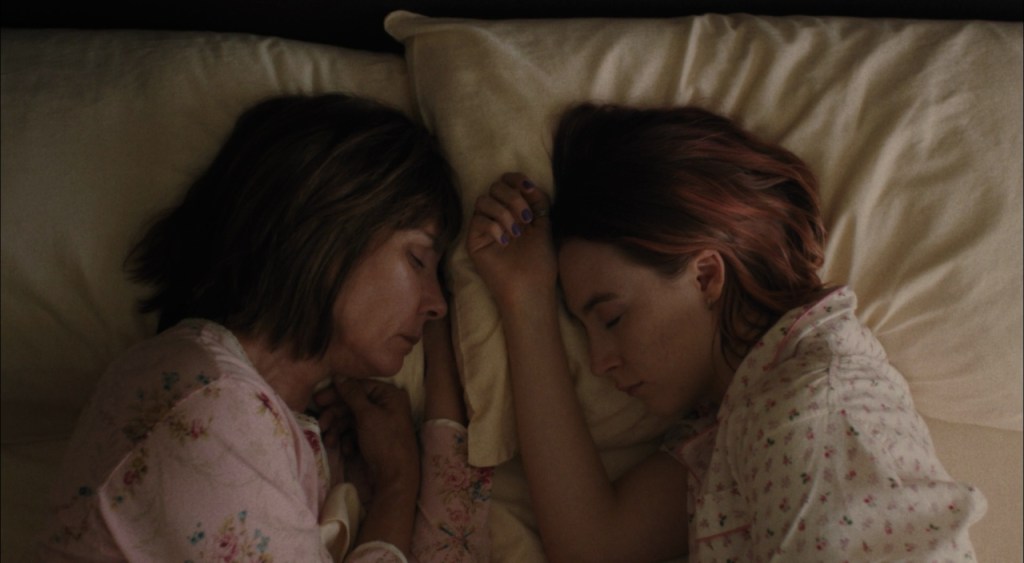
I’m sure you’ve heard of Lady Bird (2017) directed by Greta Gerwig. But if you haven’t, I’ll give you a brief synopsis. Taking place in the early 2000’s, the film follows a teenage Christine (aka Lady Bird), played by Saoirse Ronan, as she navigates friendships, relationships, family, and self-identity in her final year of high school.
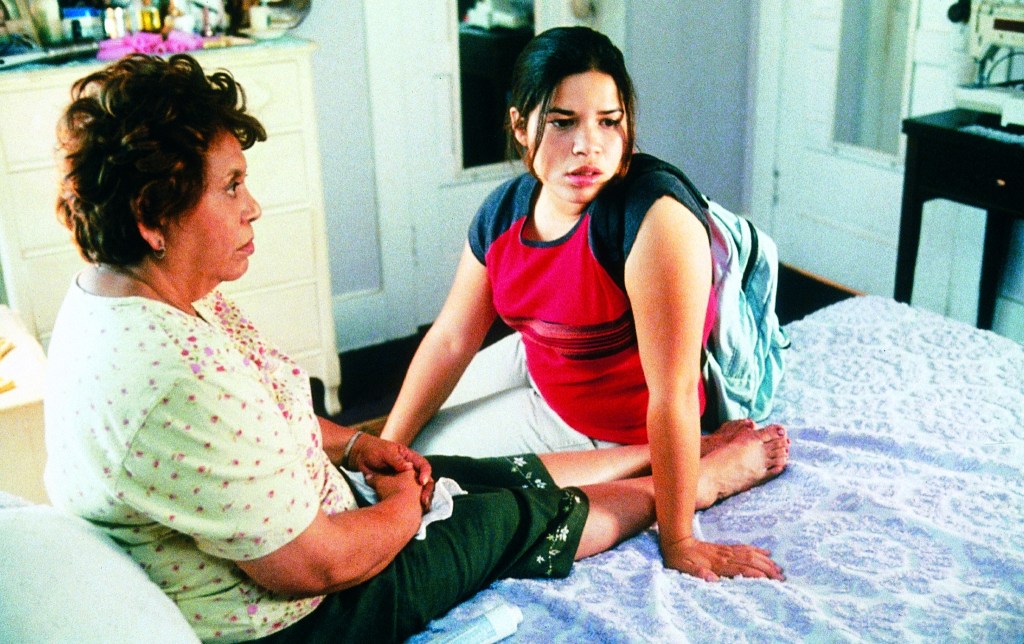
Now, a film you may not have heard of is Real Women Have Curves (2002) directed by Patricia Cardoso. This film follows a girl named Ana (played by America Ferrera) as she navigates family, relationships, and self-identity during the summer after high school graduation.
Now, don’t get me wrong, I love the film Lady Bird. This is not so much a critique of the film itself, but rather an examination of the similarities and differences between the two films and why one became much more successful than the other.
The two films share common themes of teen girls coming of age in lower-income households, awkward dating, and difficult/strained mother-daughter relationships. They also both end very similarly: the girl’s mother refusing to say goodbye to her when she leaves for university, then a shot of the main character walking down the streets of NYC in a corduroy blazer, beginning her next chapter.
It’s hard to ignore the similarities once you see them, and it doesn’t help that Lady Bird had five Oscar nominations, while Real Women Have Curves had none.
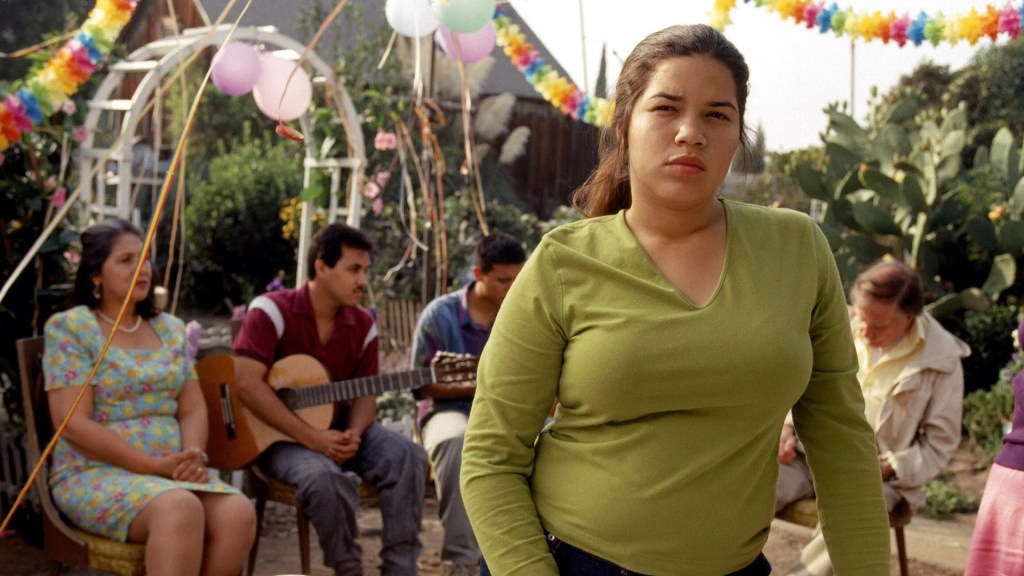
Now lets look at what’s different between the films. Lady Bird follows a white family living in Sacramento. Christine (or Lady Bird) is a thin white teen girl navigating the epic highs and lows of high school. Now, Ana, on the other hand, is a curvy woman of colour who lives in East LA with an immigrant family from Mexico the summer after graduating.
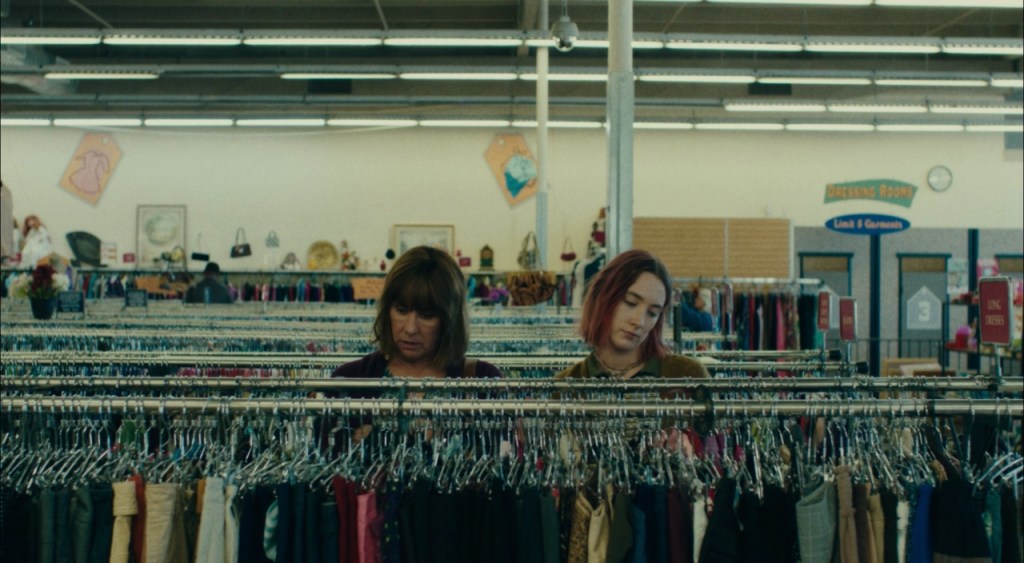
It’s difficult not to see how these differences may have something to do with the popularity of one film over the other. Lady Bird is also written and directed by Greta Gerwig, a white woman from Sacramento, while Real Women Have Curves is directed by Patricia Cardoso, a Colombian woman, and written by Josephina Lopez, a Mexican woman.
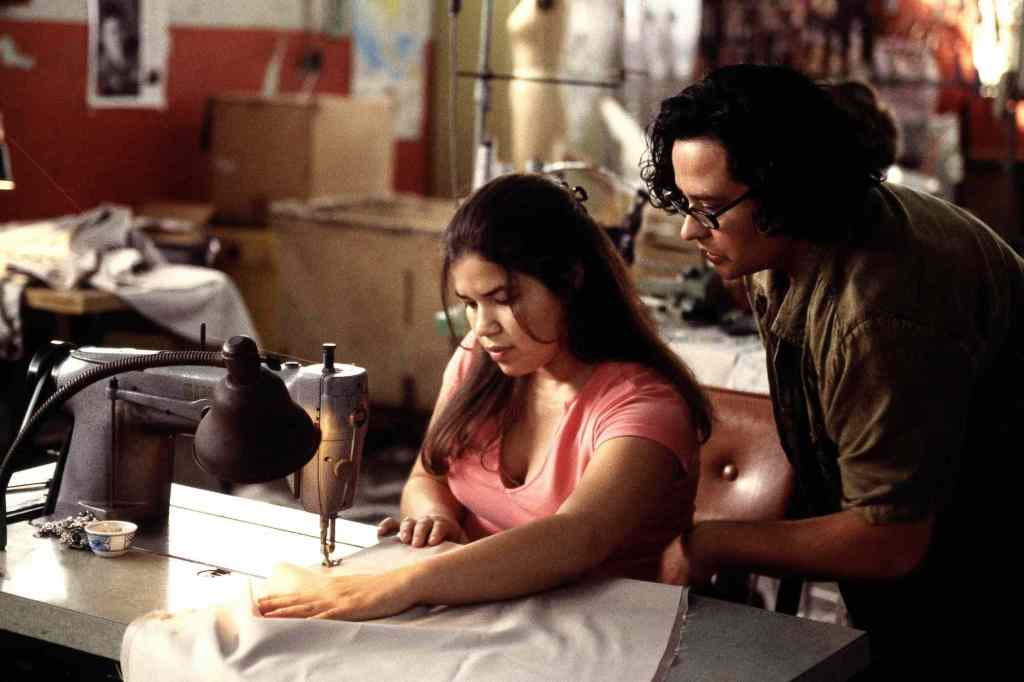
Another large theme that Real Women Have Curves focuses on is (you guessed it) women’s bodies. There is a lot of talk about them in the film. Ana is a curvier woman, and some of the women she works with are as well. The film uses Ana’s mother, Carmen (amazingly played by Lupe Ontiveros), as the voice that constantly shames and critiques Ana and the others’ bodies.
However, Ana never dislikes her body; she’s proud of it, and she stands up to her mother over and over again, which I think is beautiful because we never see Ana feel ashamed of her body (refreshing!), and instead of watching a girl learn how to love herself, she already does.
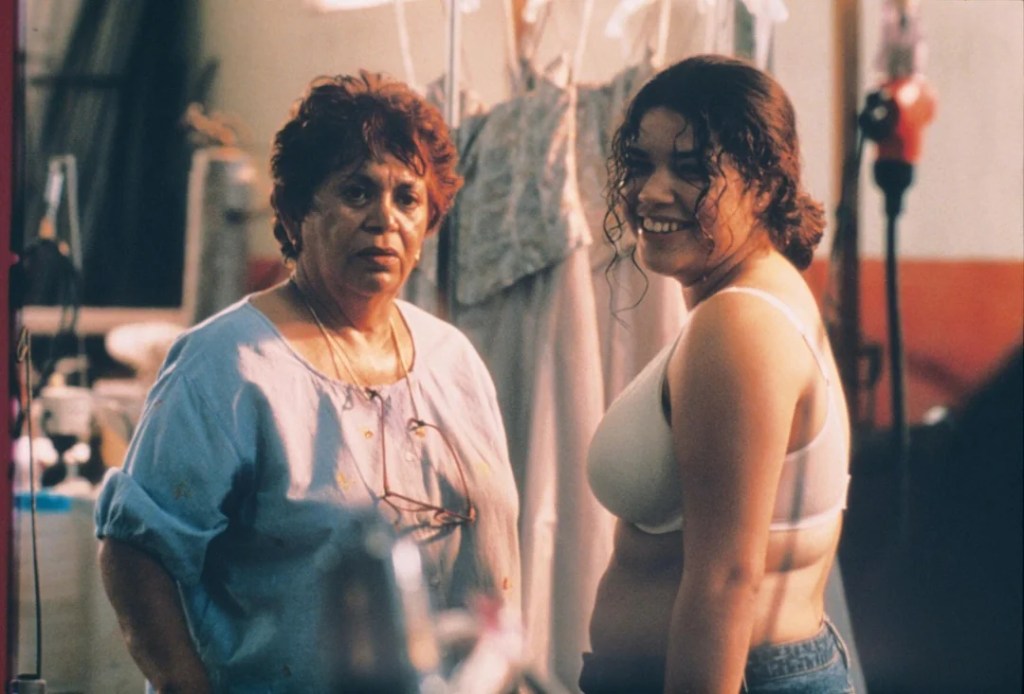
There is a beautiful moment towards the end of this film when all the women bond over the flaws of their bodies —not in a sad way—they are laughing and celebrating it, and it makes me cry every time. Now I wonder why something like this got ignored by film critics. Why, in the age of “body positivity,” is this film not praised more in mainstream media?
In a way, it feels as if Gerwig’s Lady Bird is the whitewashed version of Real Women Have Curves, made palatable for Hollywood. While I enjoy both films, I’d argue that Real Women Have Curves has more to say and has more heart. The story is heavily based on the writer Josephina Lopez’s life, while Gerwig said Lady Bird does not fully reflect her own upbringing. This is why (to me) it feels much more personal, with a deeper message.
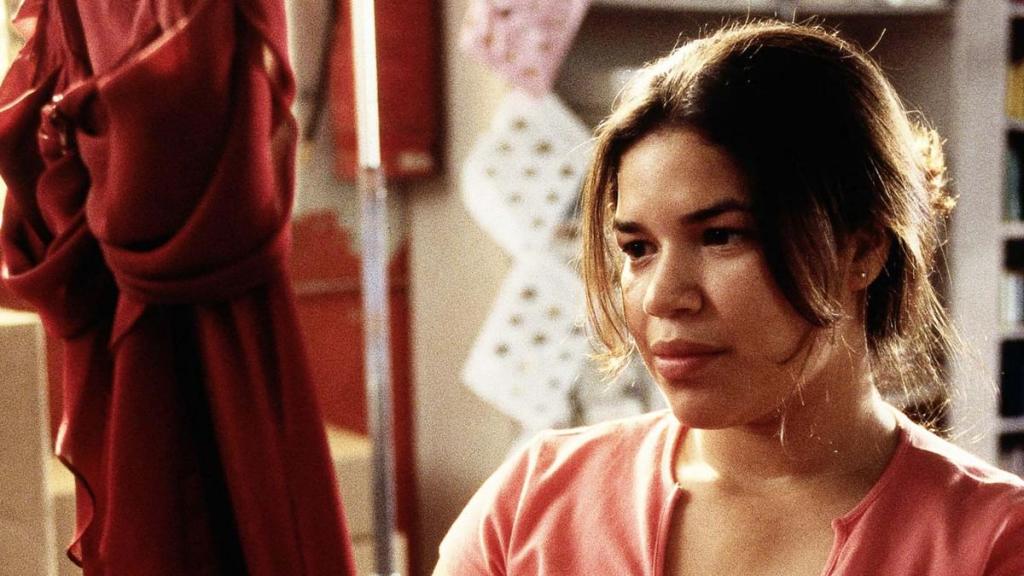
Real Women Have Curves deserves its flowers, just as Lady Bird has received. While both are beautiful films, it upsets me that few people know about the former. I also think it’s important to note that in the coming-of-age genre in Hollywood, we see a lot about white stories, and because of that, a small fraction of people’s stories get told.
I urge you to continue broadening your horizons; watch foreign films, lesser-known films, stories made by women, and people of colour. These stories are powerful and beautiful and so important; we need to stop overlooking films that stray from the norm. I promise you, you will discover a beautiful world of cinema once you start!
So please, please, please. If you enjoyed Lady Bird, watch Real Women Have Curves. I’d love to hear what you think, and what similarities/differences you noticed.
Till next time, dolls!
 Anatomy of a Doll