Why Watching Films About Women Matters More Than Ever

I don’t know about you, but I refuse to live in a “man’s” world. I also refuse to let the patriarchy seep into every aspect of my life, so when I can control it, I try to engage with content made by/ women or about women. I also think it’s important to break out of the Western Hollywood bubble when it comes to film; engaging with diverse content helps broaden your perspective. In an attempt to persuade you, I will explore the importance of watching films about women (and, moreover, foreign films) by discussing the film “I am Not a Witch” (2017), directed by Rungano Nyoni.

One of the ways I choose to learn is through film. It’s not always about learning hard facts but instead about different sentiments, experiences, and culture. I love learning about the human experience through film, and in a world where the male gaze is so prevalent, I like to learn through the female gaze.

Watching films by and about women of colour allows for narratives that challenge Western patriarchal views. Therefore, it challenges you to open your mind to new ideas, experiences, and maybe even change your mind about things. 

Exploring the importance of women-made foreign films through “I Am Not A Witch” (2017) 

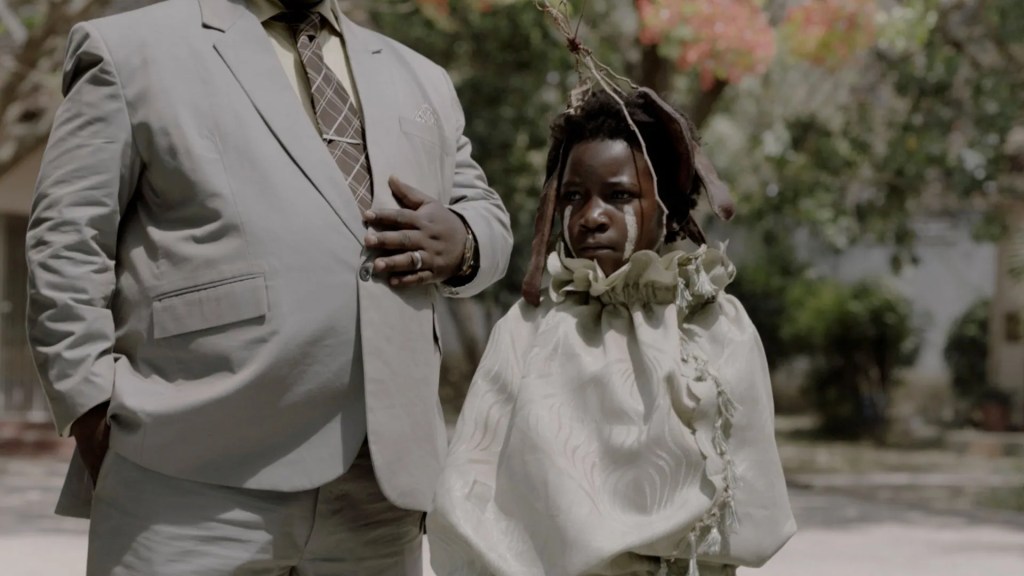
A great example of a film that completely opened my eyes to women’s experiences in a different culture is the 2017 film “I Am Not a Witch,” directed by Rungano Nyoni.

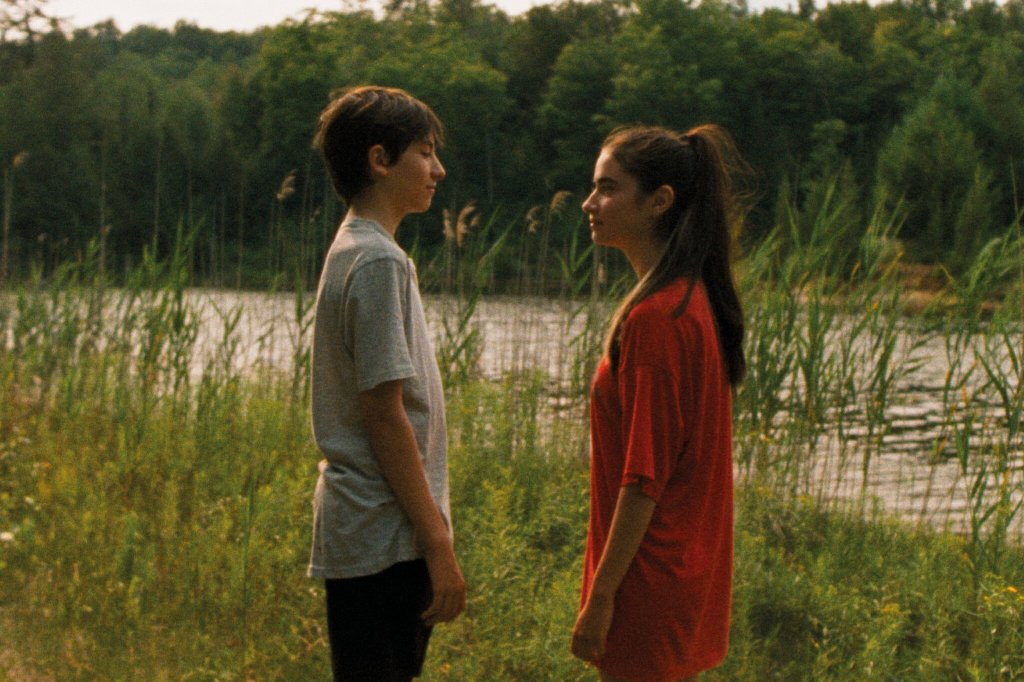
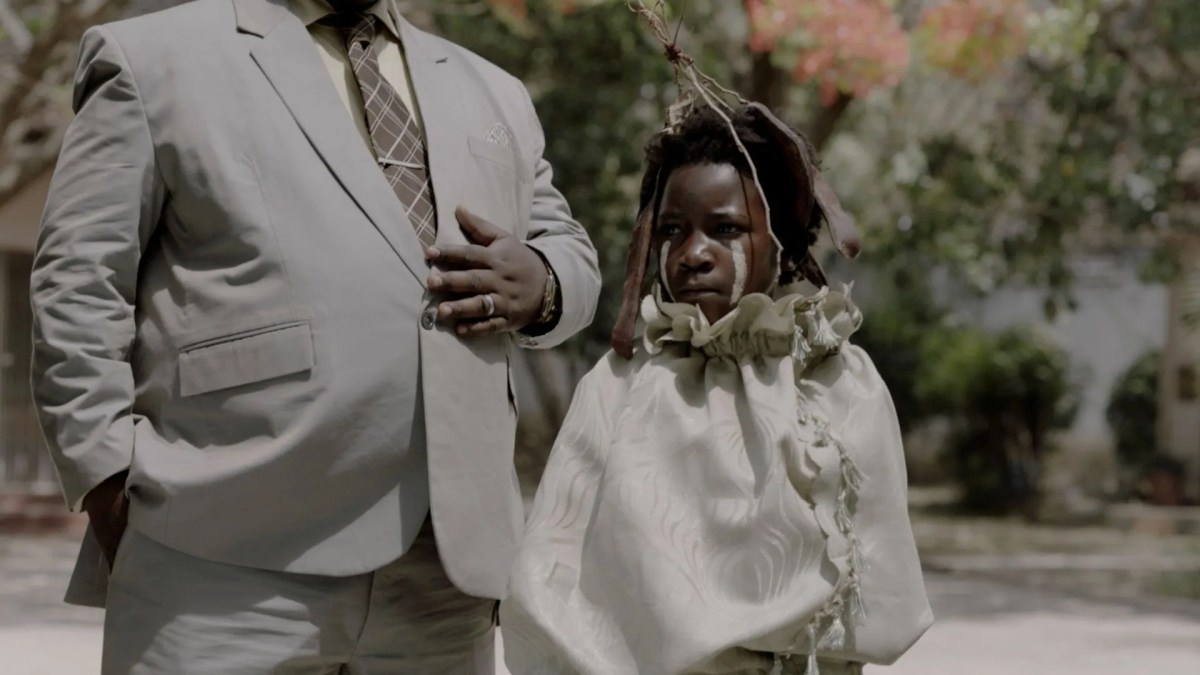
This beautiful film follows a young girl named Shula living in Zambia, who gets convicted of witchcraft. The film is not a period piece; it in fact takes place in the modern day. Nyoni explores modern-day witch camps that exist in Zambia through the perspective of a young Shula.

This specific story is not entirely based in reality; however, the concept of a witch camp is. In fact, director Nyoni lived in a Ghanaian witch camp for a month in preparation for the film. Ever heard of that? Me neither, another reason to broaden your horizons in film. 

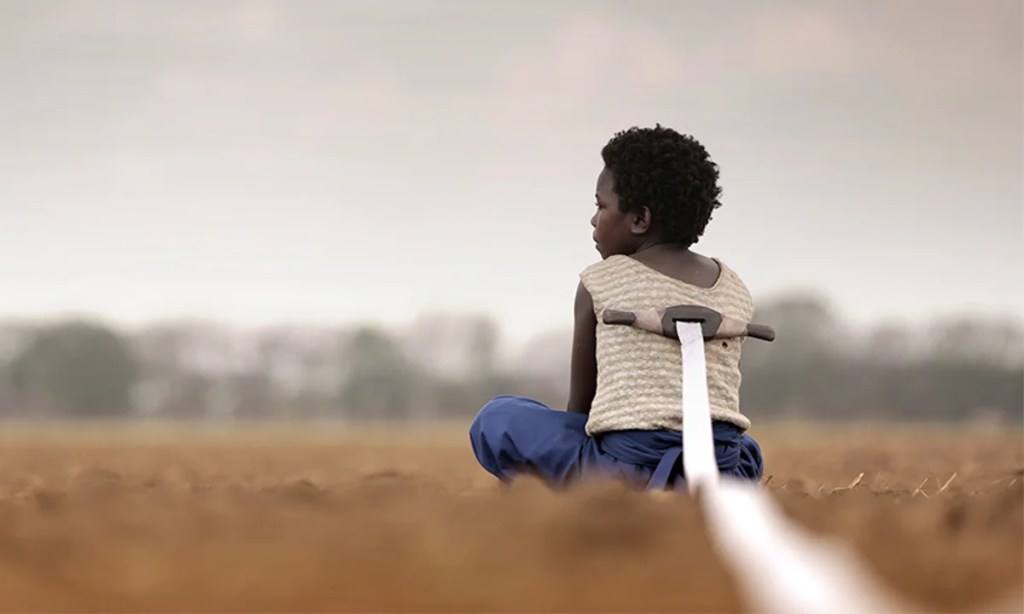
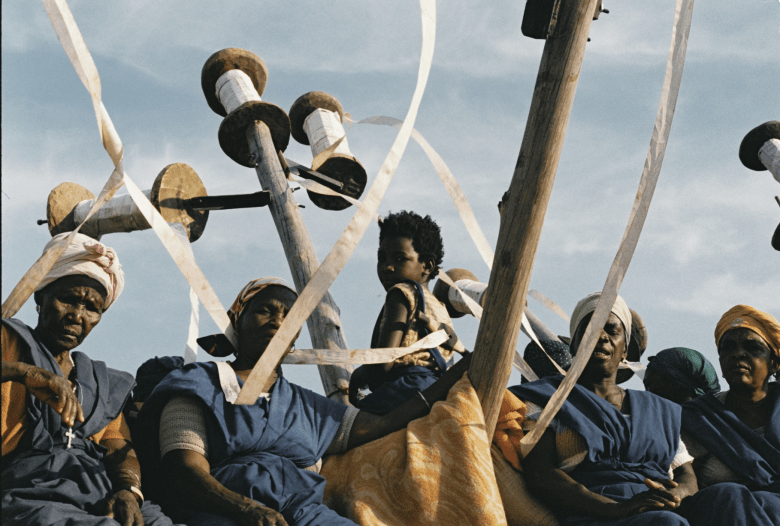
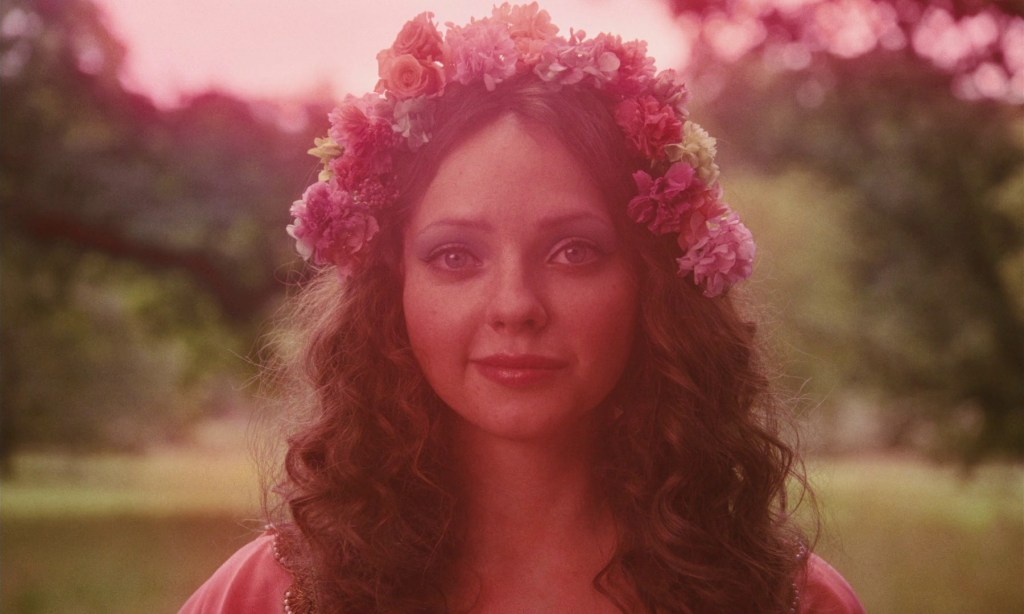
Shula (played by Maggie Mulubwa) is accused of witchcraft. The witch doctor tells her that if she does not confess to being a witch, she will become a goat. So, she confesses and is sent to a witch camp that includes a group of elderly women. They are attached by ribbon, and someone controls how much the ribbon gives. They believe the witches can fly, so they keep the community “safe” by keeping them attached by a ribbon. (Hmmm, seems like the ribbon may represent something.

Later, she is brought to stay at Banda’s home with his wife (the official in charge of the witches). Still attached by the ribbon, Banda brings Shula around to perform witchcraft tasks. Because she is a “witch,” they use her “powers” in trials to identify the guilty parties.  Banda’s wife reveals to Shula that she too is a witch who was in the witch camp. She shares that she was able to escape the camp by having a respectable marriage; this is the only way to escape.

Eight-year-old Shula finds community with these elderly witches who take care of her. The women, and Shula, are forced to do labor, but Shula starts to get used to more tasks. Eventually, during a drought, A rich man asks Shula to make it rain. She tries to perform a rain dance, but without success. By the end of the film, Shula is emotionally and physically exhausted and upset. She tells the witches she wishes she had turned into a goat instead. 

Sometimes It’s so hard being a woman; we’d rather be goats.

The film explores the childhood experience of a girl in Zambia. While not all of this is real, the themes explored in the film are. They explore how women are seen and treated. The ribbon acts as a metaphor for how women are controlled, and the only way to escape is through “respectable marriage”. It also shows how quickly Shula has to grow up. They put the burden of people’s livelihoods on the young girl. This story is a huge contrast to many coming-of-age films in Hollywood about younger girls, even the darker ones (see my post about the film Thirteen Tweenage Wasteland: Thirteen (2003) for an example).

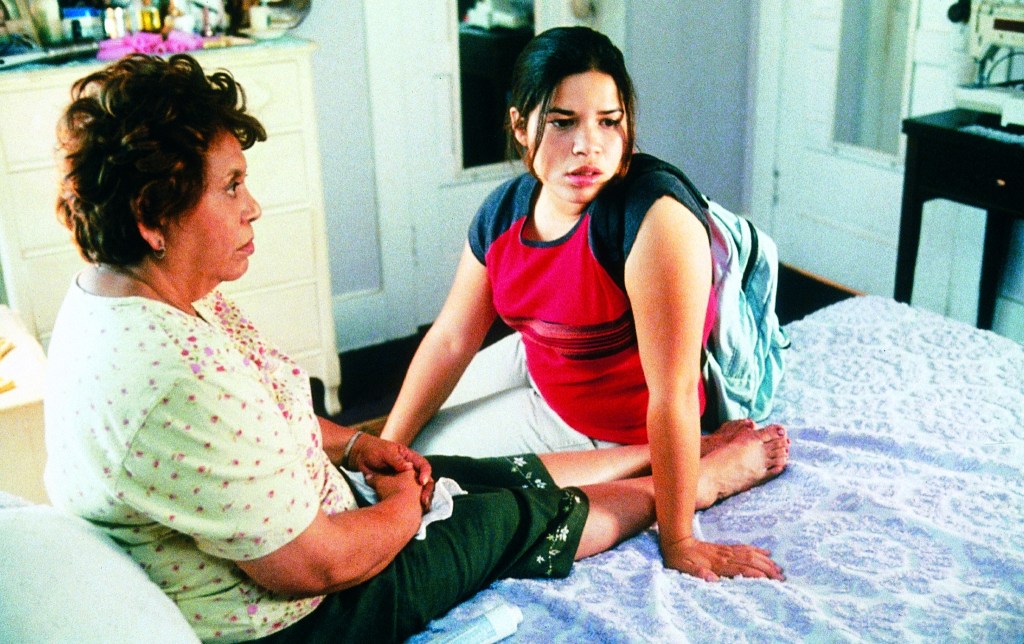
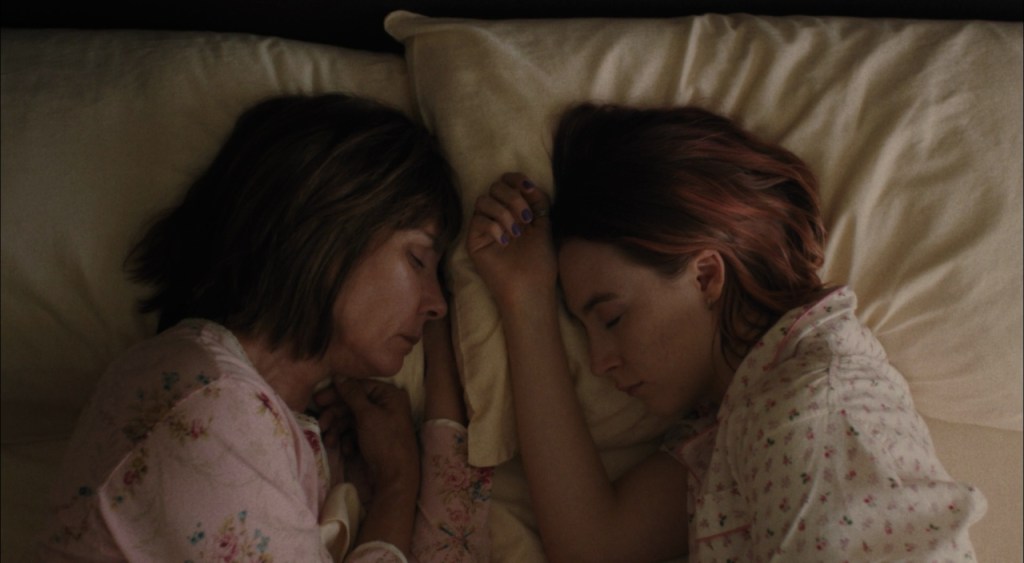
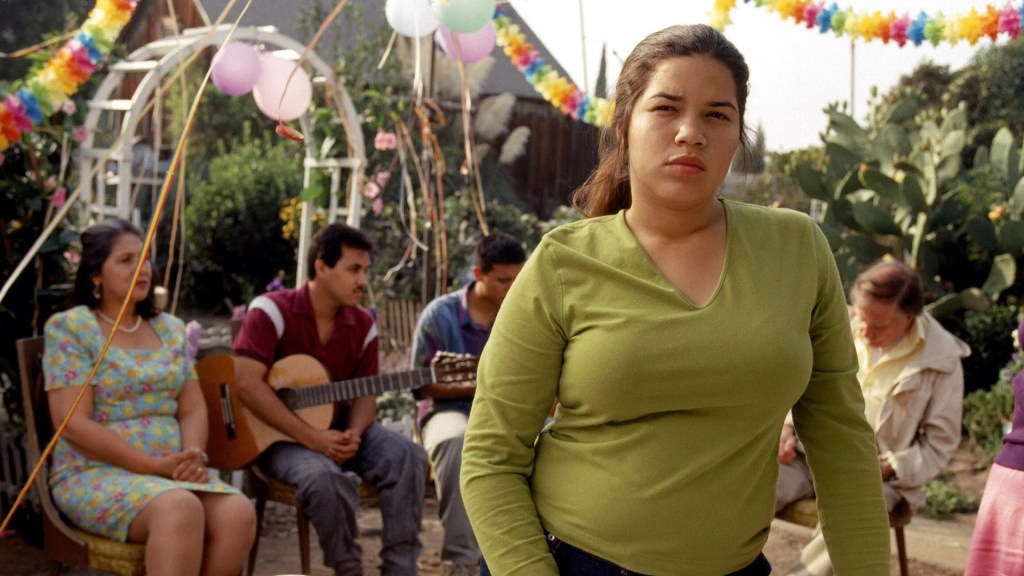
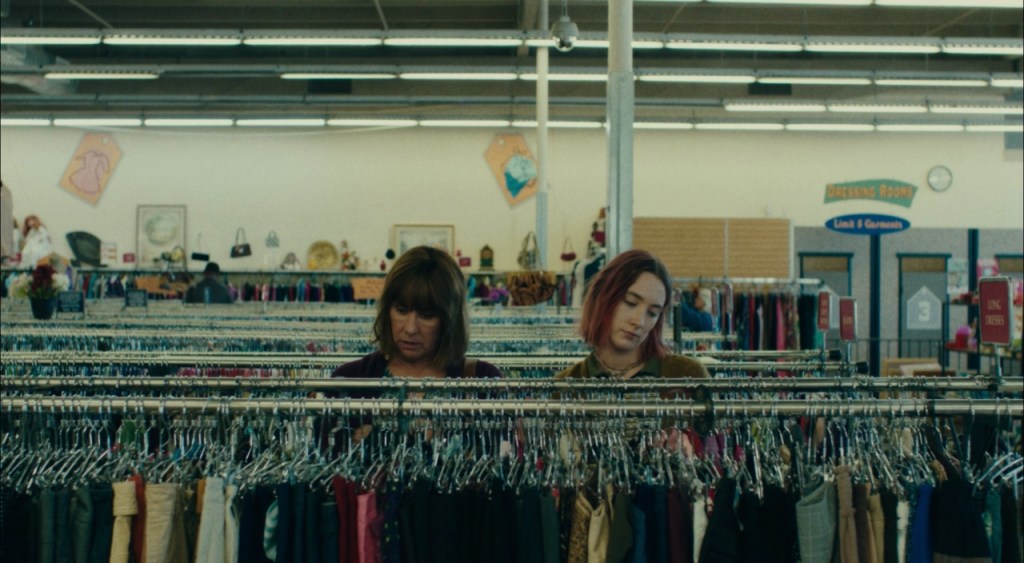
I’ve spoken before about the importance of expanding your watchlist beyond coming-of-age films through the white-femme experience, in my blog post Lady Bird is the Whitewashed Version of Real Women Have Curves where  I discussed the contrast between Real Women Have Curves and Lady Bird.  

Very often, we are fed similar narratives and experiences, and I in no way want to discount these experiences, but to merely suggest going further and exploring others. If we remain within our small Western bubble, we’re remain ignorant.

“I Am Not a Witch” is a truly spectacular, unique film unlike anything I’ve ever seen. It explores familiar themes through unfamiliar experiences and narratives, and this is exactly why watching films like this is so important.

So I encourage you to broaden your horizons and go watch a film made by a woman; better yet, start with the film I Am Not a Witch; I promise you it’s worth it.

Tweenage Wasteland: Thirteen (2003)

To quote Cecilia from The Virgin Suicides, “Clearly, doctor, you’ve never been a 13-year-old girl.”

Thirteen is not your average soft-colored, sweet, nostalgic coming-of-age story. It’s a raw, edgy, dark, and painfully real story about a 13-year-old.

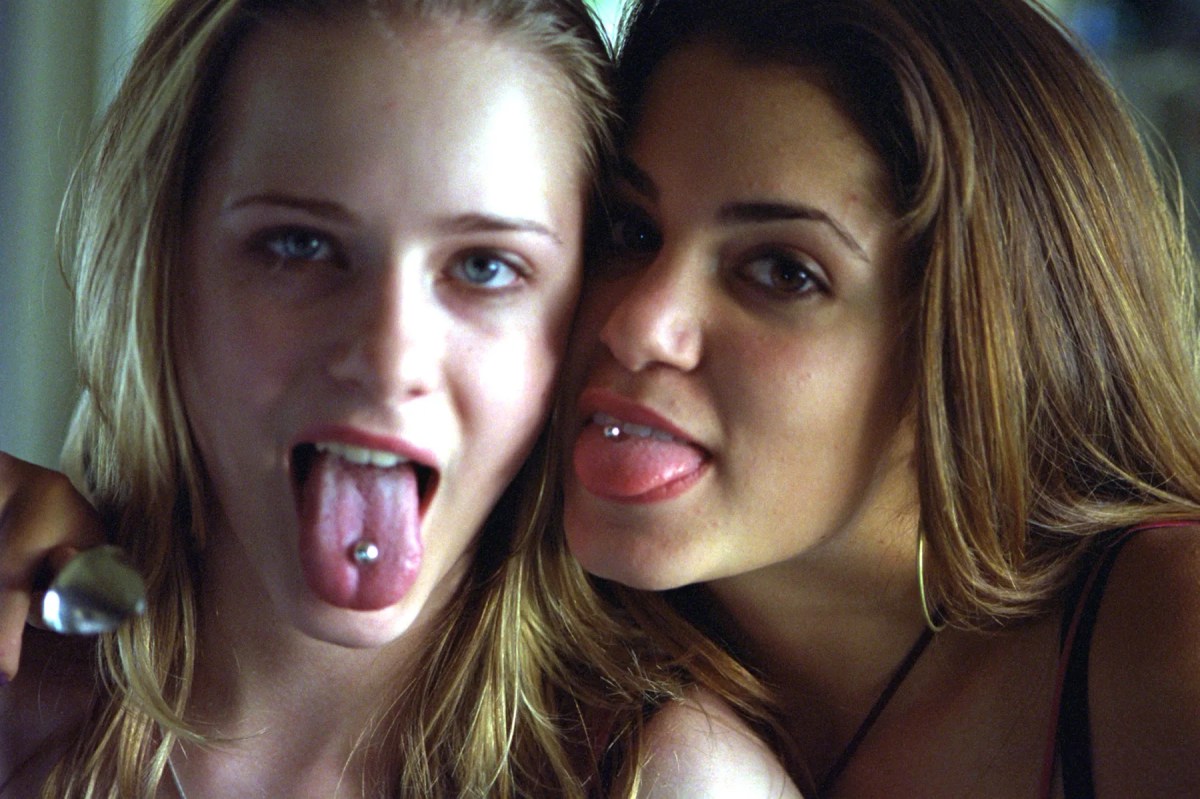
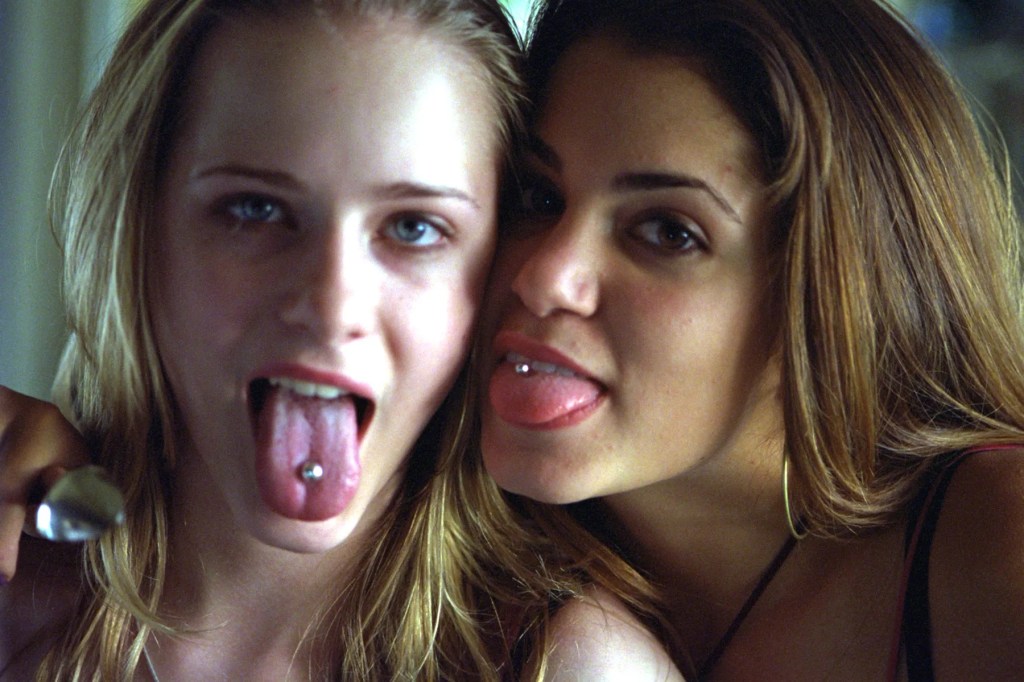
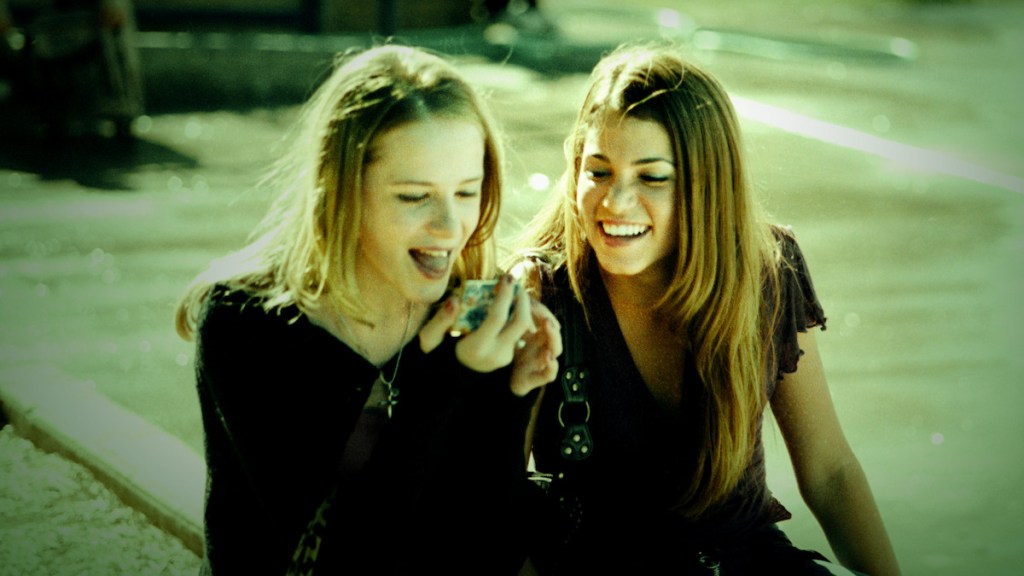
The film Thirteen stars Evan Rachel Wood, is directed by Catherine Hardwicke, and co-written by Hardwicke and Nikki Reed, who plays the rebellious best friend Evie. It’s an autobiographical story about Reed’s experience as a thirteen-year-old, when she made a sudden transition from being a goody two-shoes to a rebel.  

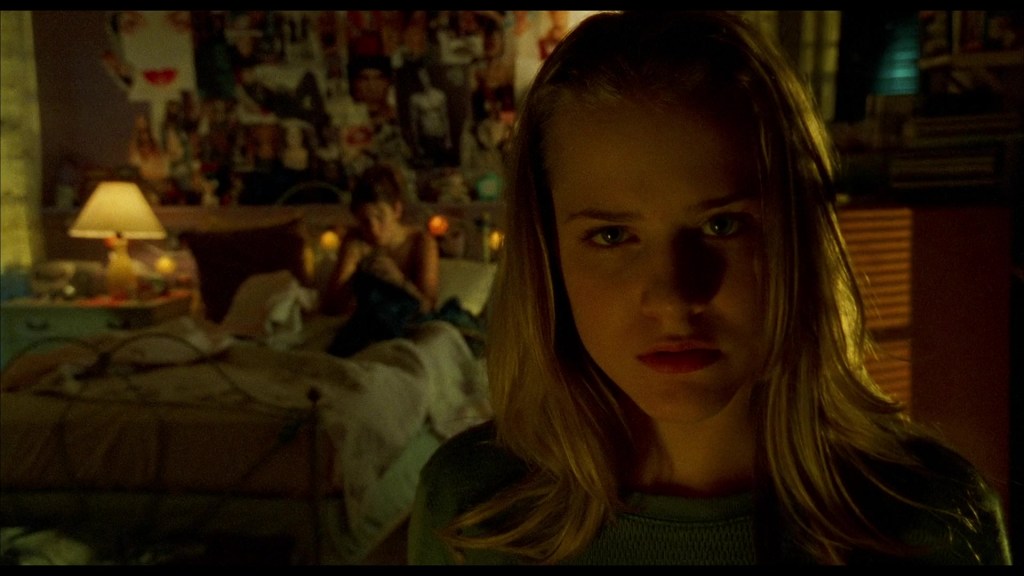
The story follows a thirteen-year-old girl named Tracy who lives with her single mother, Melaine (played by Holly Hunter), and her brother, Mason (played by Brady Corbet).  She has a bit of a shaky home-life, which gets worse when her mother’s troublesome boyfriend reappears (played by Jeremy Sisto, who was in another Anatomy of a Doll film: May, go check out the post if you haven’t!)When Tracy befriends the rebellious popular girl in school, Evie (played by Nikki Reed), she starts going down a dark path and begins acting out.

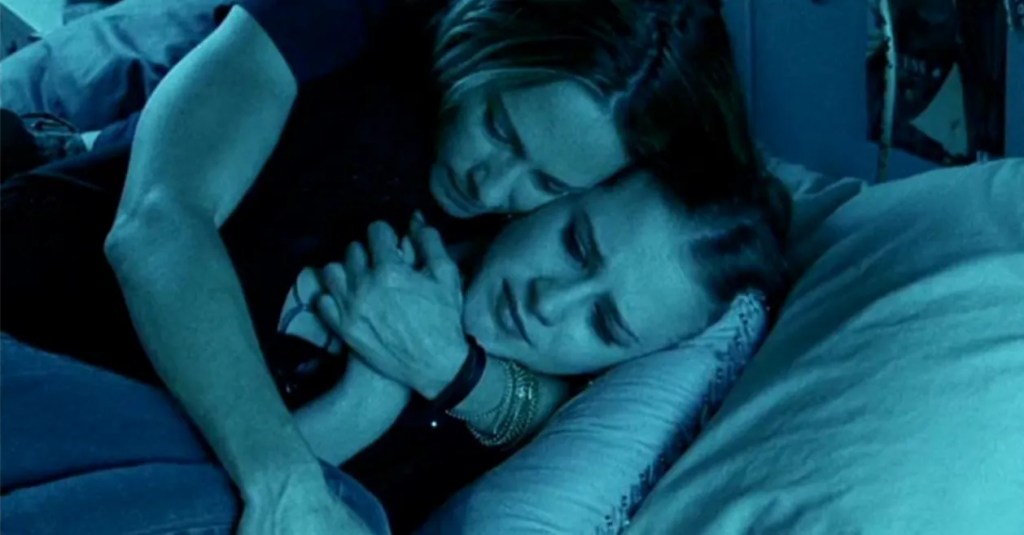
Tracy’s relationship with her mother, Melanie, becomes more difficult throughout the film, and Melanie struggles to navigate how to parent Tracy through this difficult period. Tracy’s friendship with Evie becomes dark and toxic; they turn to drugs, alcohol, and lots of mischief.

Tracy’s mental health simultaneously degrades slowly throughout the film as she battles with her mother and struggles to cope with her absent father.

The film is so many things: heartbreaking, gut-wrenching, stylish, and edgy. It brings a unique perspective of being told by someone who’s the same age as the characters. Because Reed is close to the story, she is able to paint a painfully raw image of one of the most difficult times in a girl’s life. 

The film strays from other coming-of-age stories that are more quirky and offbeat. It goes deep into a messy, realistic, and powerful true story. The ups and downs will make you laugh, cringe, and cry. 

The film is somewhat reminiscent of Kids (1995) written by Harmony Korine, and I think it is because both of these films were written and told through the lens of young people. When stories about youth are told from the perspectives of adults, they can sometimes become clouded by nostalgia. Sometimes, when you’ve had years of space and time to re-contextualize things, they become lighter, less important, and less serious. 

In the case of Thirteen, fourteen-year-old Nikki Reed was able to write about her life just a year or two after the events transpired. This is how the story is able to come off so gritty, dark, and heartbreaking, but is still able to remain grounded. It empathizes with every character, and it manages to put you in the exact headspace of Tracy, making it feel so heavy-hitting and impactful.

If you haven’t seen Thirteen, and you’re in the mood for something heavy, I’d definitely recommend giving it a watch. I love a good tweenaged film, so I want to ask you, what’s your favorite tween film? 

Till next time, dolls!

Lady Bird is the Whitewashed Version of Real Women Have Curves

I’m sure you’ve heard of Lady Bird (2017) directed by Greta Gerwig. But if you haven’t, I’ll give you a brief synopsis. Taking place in the early 2000’s, the film follows a teenage Christine (aka Lady Bird), played by Saoirse Ronan, as she navigates friendships, relationships, family, and self-identity in her final year of high school. 

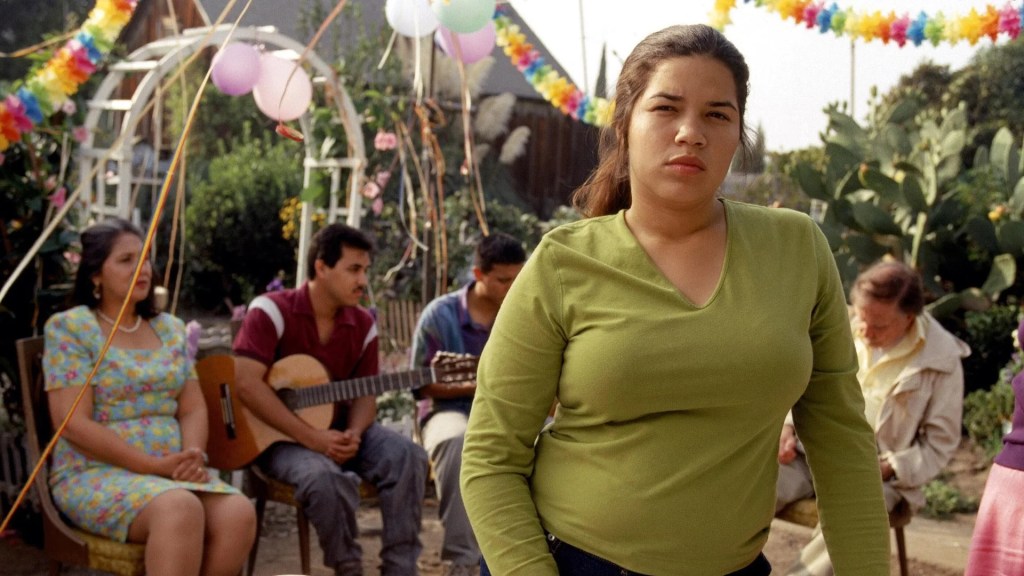
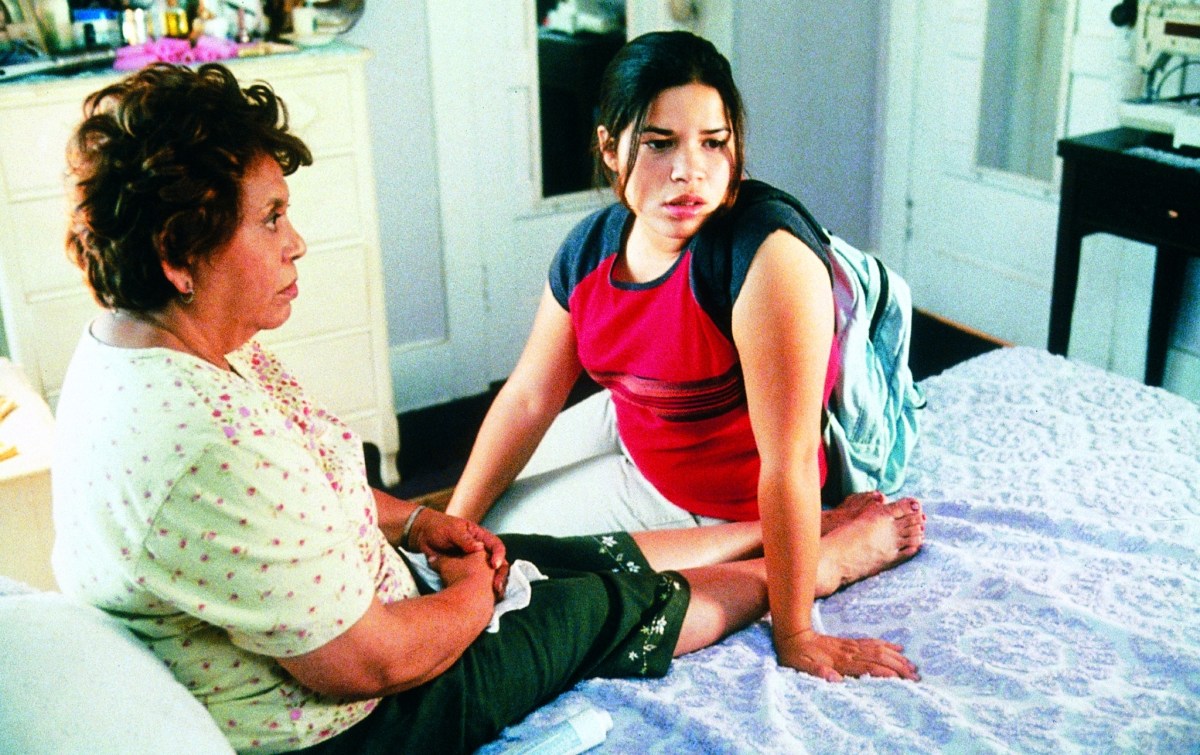
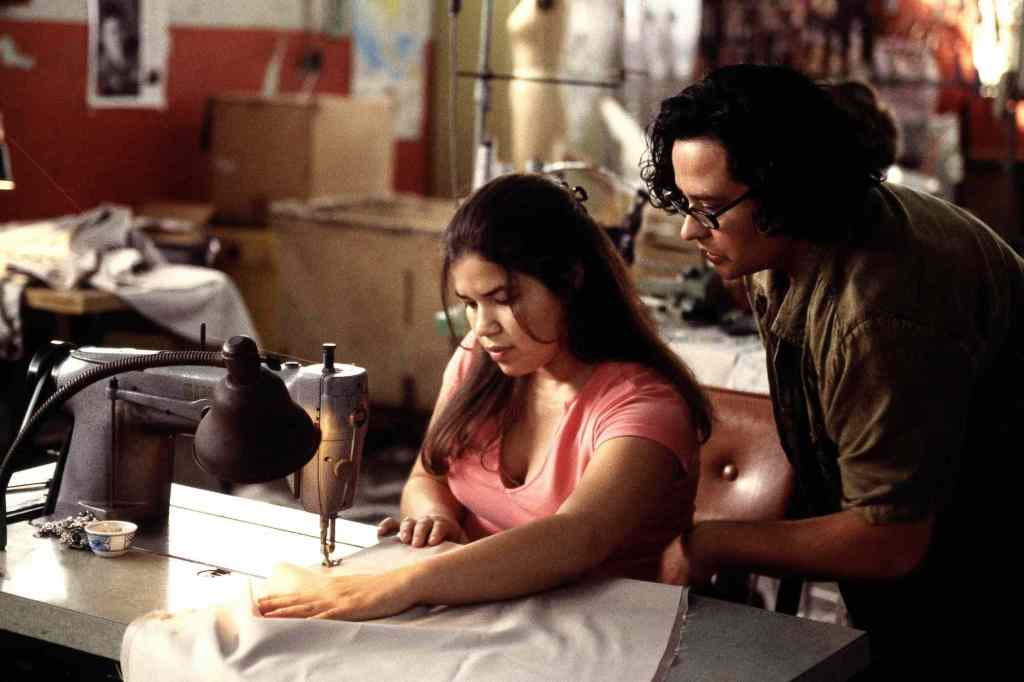
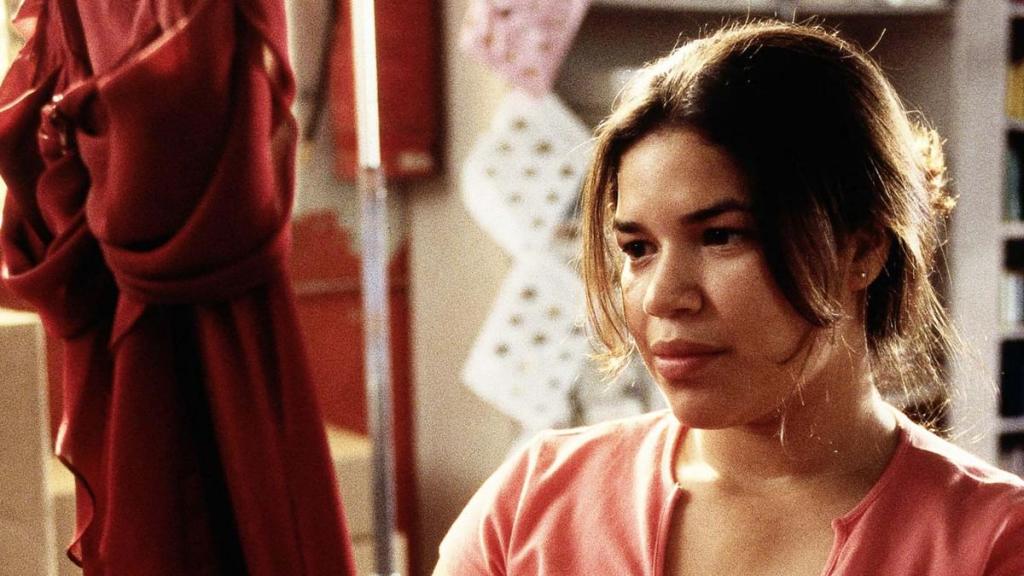
Now, a film you may not have heard of is Real Women Have Curves (2002) directed by Patricia Cardoso. This film follows a girl named Ana (played by America Ferrera) as she navigates family, relationships, and self-identity during the summer after high school graduation.

Now, don’t get me wrong, I love the film Lady Bird. This is not so much a critique of the film itself, but rather an examination of the similarities and differences between the two films and why one became much more successful than the other. 

The two films share common themes of teen girls coming of age in lower-income households,  awkward dating, and difficult/strained mother-daughter relationships. They also both end very similarly: the girl’s mother refusing to say goodbye to her when she leaves for university, then a shot of the main character walking down the streets of NYC in a corduroy blazer, beginning her next chapter. 

It’s hard to ignore the similarities once you see them, and it doesn’t help that Lady Bird had five Oscar nominations, while Real Women Have Curves had none.

Now lets look at what’s different between the films. Lady Bird follows a white family living in Sacramento. Christine (or Lady Bird) is a thin white teen girl navigating the epic highs and lows of high school. Now, Ana, on the other hand, is a curvy woman of colour who lives in East LA with an immigrant family from Mexico the summer after graduating. 

It’s difficult not to see how these differences may have something to do with the popularity of one film over the other. Lady Bird is also written and directed by Greta Gerwig, a white woman from Sacramento, while Real Women Have Curves is directed by Patricia Cardoso, a Colombian woman, and written by Josephina Lopez, a Mexican woman.

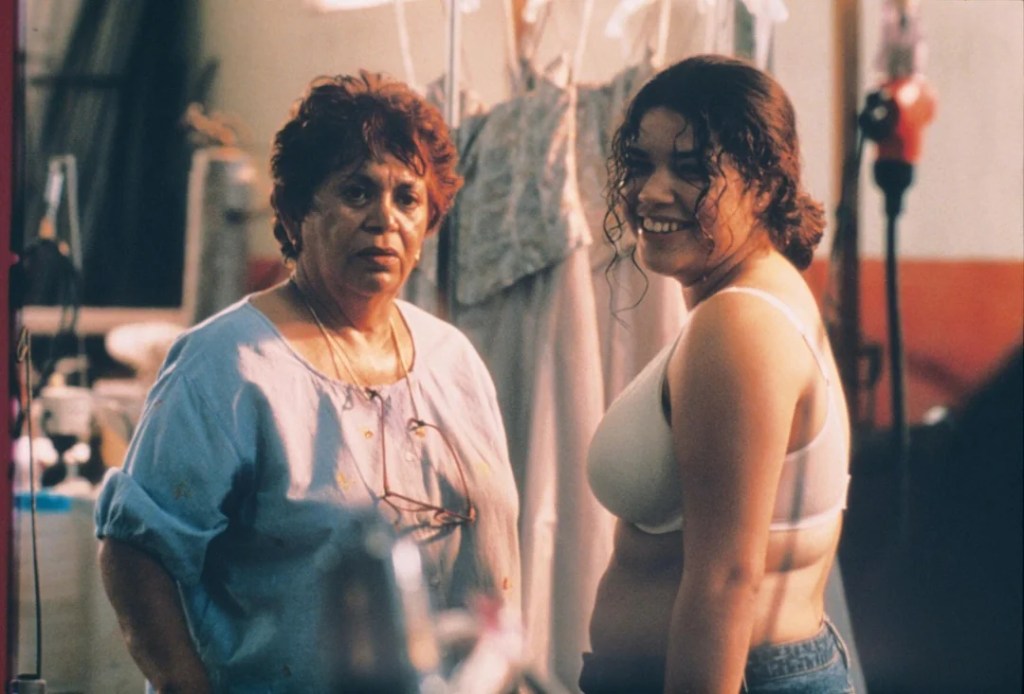
Another large theme that Real Women Have Curves focuses on is  (you guessed it) women’s bodies. There is a lot of talk about them in the film. Ana is a curvier woman, and some of the women she works with are as well. The film uses Ana’s mother, Carmen (amazingly played by Lupe Ontiveros), as the voice that constantly shames and critiques Ana and the others’ bodies.

However, Ana never dislikes her body; she’s proud of it, and she stands up to her mother over and over again, which I think is beautiful because we never see Ana feel ashamed of her body (refreshing!), and instead of watching a girl learn how to love herself, she already does. 

There is a beautiful moment towards the end of this film when all the women bond over the flaws of their bodies —not in a sad way—they are laughing and celebrating it, and it makes me cry every time. Now I wonder why something like this got ignored by film critics. Why, in the age of “body positivity,” is this film not praised more in mainstream media?

In a way, it feels as if Gerwig’s Lady Bird is the whitewashed version of Real Women Have Curves, made palatable for Hollywood. While I enjoy both films, I’d argue that Real Women Have Curves has more to say and has more heart.

The story is heavily based on the writer Josephina Lopez’s life, while Gerwig said Lady Bird does not fully reflect her own upbringing. This is why (to me) it feels much more personal, with a deeper message.

Real Women Have Curves deserves its flowers, just as Lady Bird has received. While both are beautiful films, it upsets me that few people know about the former. I also think it’s important to note that in the coming-of-age genre in Hollywood, we see a lot about white stories, and because of that, a small fraction of people’s stories get told.

I urge you to continue broadening your horizons; watch foreign films, lesser-known films, stories made by women, and people of colour. These stories are powerful and beautiful and so important; we need to stop overlooking films that stray from the norm. I promise you, you will discover a beautiful world of cinema once you start!

So please, please, please. If you enjoyed Lady Bird, watch Real Women Have Curves. I’d love to hear what you think, and what similarities/differences you noticed.

PS: If you’re a sucker for complex mother-daughter relationships, check out my newest post: Tweenaged Wasteland: Thirteen (2003).

Till next time, dolls!
Made by Women, About Women: Greener Grass (2019)

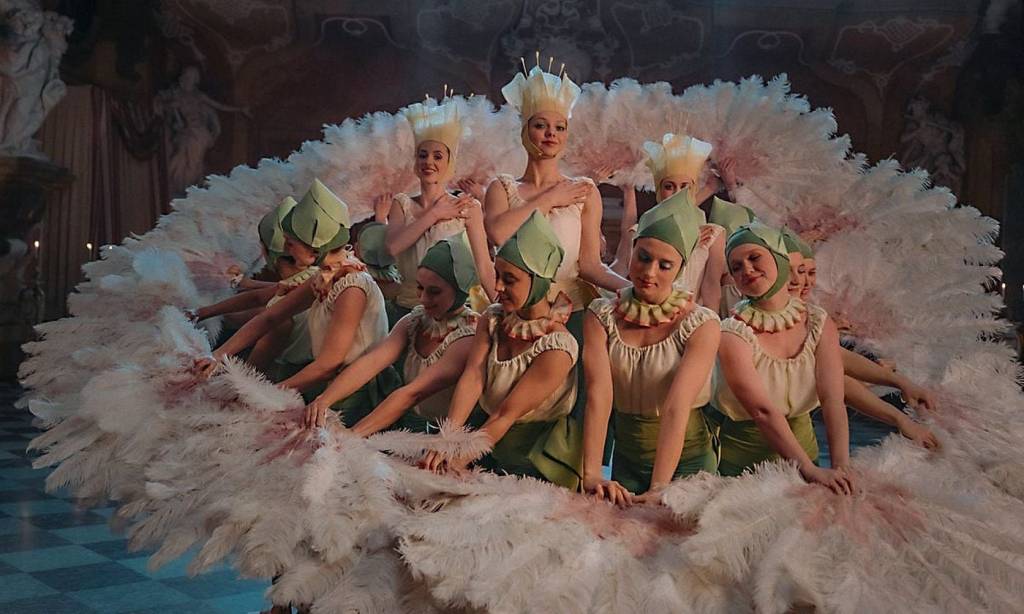
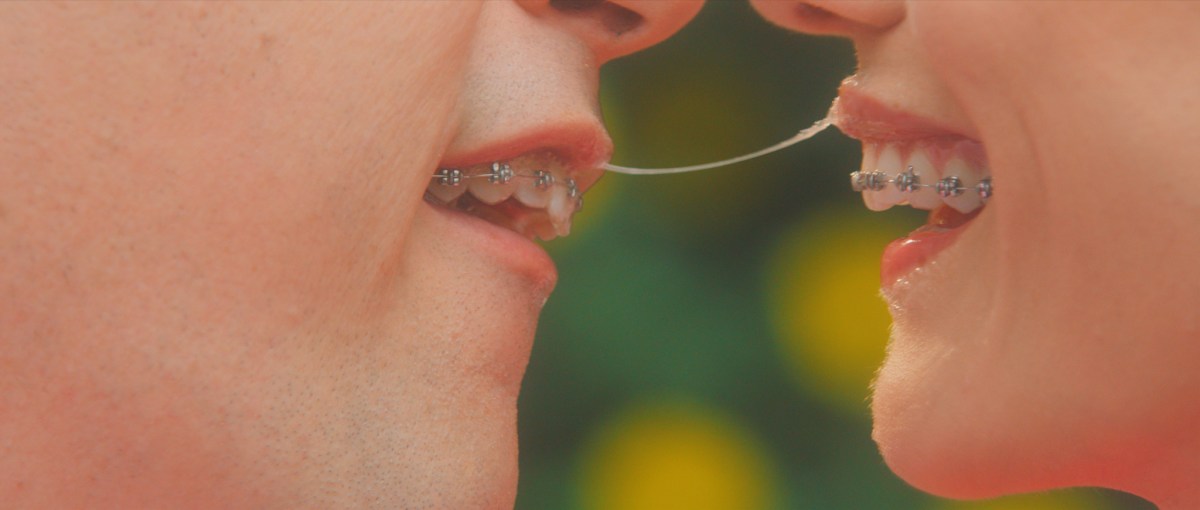
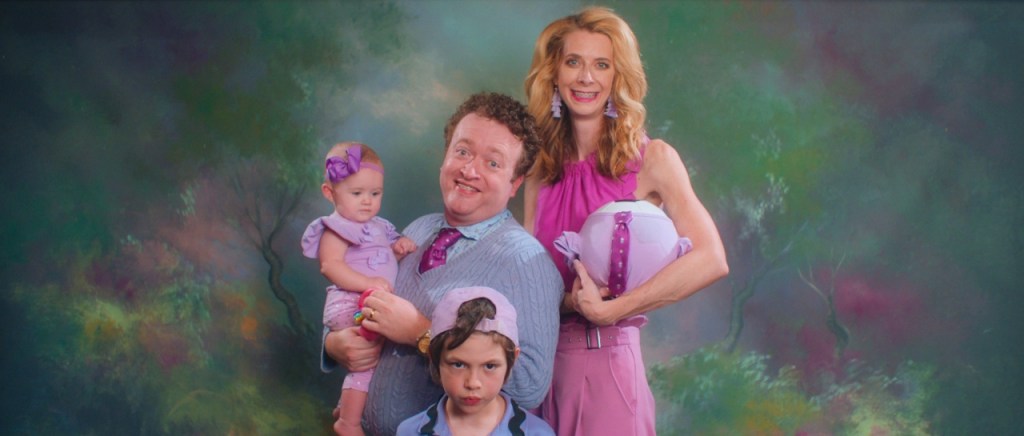
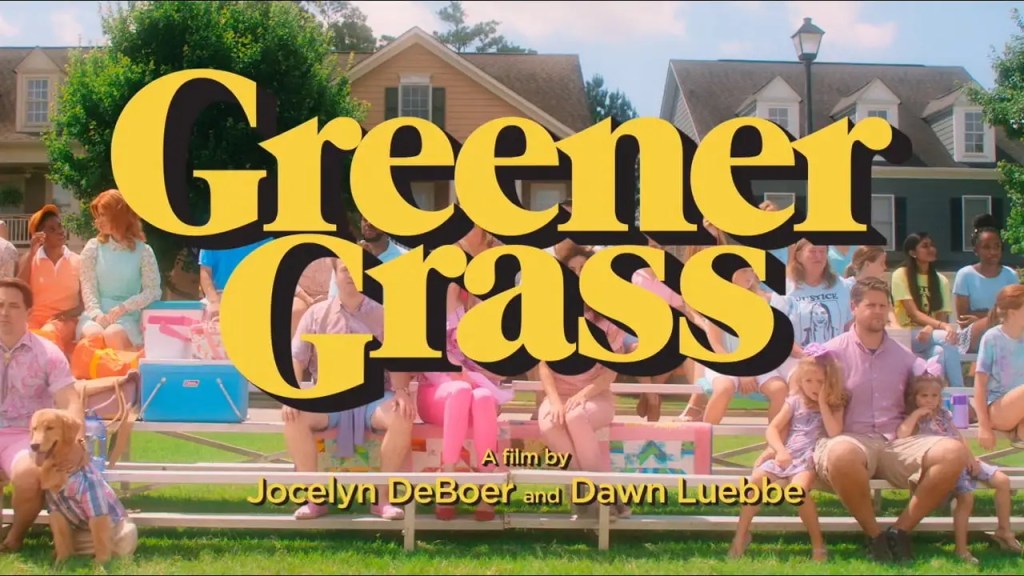
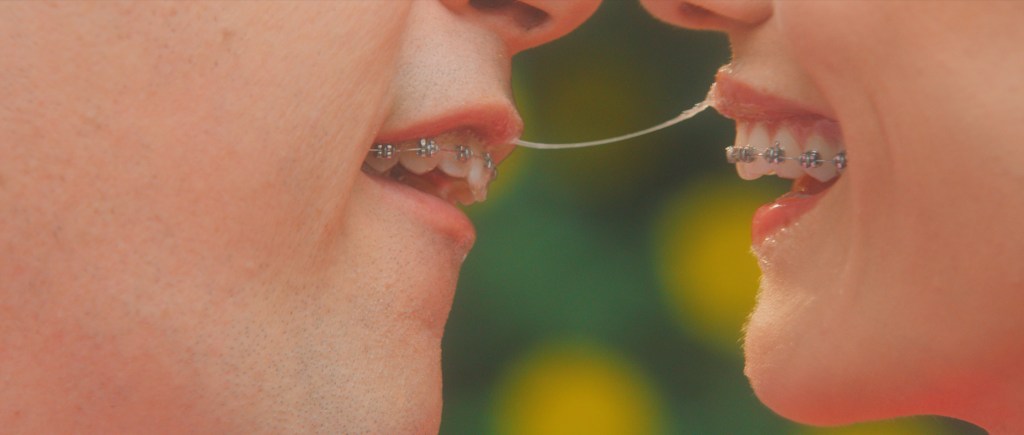
Candy coloured suburbs, adult braces, golf carts, and weird humour. What more could a girl ask for? Allow me to introduce you to this loveably weird suburban satire, Greener Grass (2019), written and directed by Dawn Luebbe and Jocelyn DeBoer. 

Dawn Luebbe and Joecelyn DeBoer co-wrote, directed, and starred in the film. Their directorial debut, Greener Grass, brings you into their strange, pastel-coloured world with a vibe similar to The Stepford Wives. The adults all wear braces and act overly polite; there is a sinister atmosphere behind every interaction, yet they all seem to keep their composure. 

The basic premise revolves around two soccer moms, Jill and Lisa, who are constantly competing against each other to have the more “perfect life”. They compete over every little thing, from their husbands to their pools. Right off the bat, without giving spoilers, things get weird, and they only get increasingly weirder as the story moves forward. To give you a basic idea of the film’s tone, I’ve added the trailer below.

A hilarious, absurdist take on suburbia through a female lens, this story is unlike anything anyone could expect. I think this film is entirely underrated. It holds strong through its wonderfully bizarre acting, writing, sets, and costumes. 

The movie is reminiscent of other suburban satires like Serial Mom (1994), The Stepford Wives (1975), and takes a lot of visual inspiration from the suburb of Edward Scissorhands (1990). While there are some similarities, this film remains quite distinct from its inspiration. Director/writers Luebbe and Deboer’s feature debut does an amazing job of creating a silly, bizarre, and creepy world with the strangest eerie twists and turns. 

I urge you to dive into their strange little world for 95 minutes and let the weirdness take you in.

If you enjoy learning about new weird movies about girls, then I encourage you to check out my previous post about the film May (2003). I hope I was able to introduce you to something new today.

If you want to support me, please feel free to follow Anatomy of a Doll on Instagram, TikTok, and Letterboxd, or subscribe!

Till next time, dolls!
The Ultimate “Weird Girl Representation” Film: May (2003)

(No Spoilers)

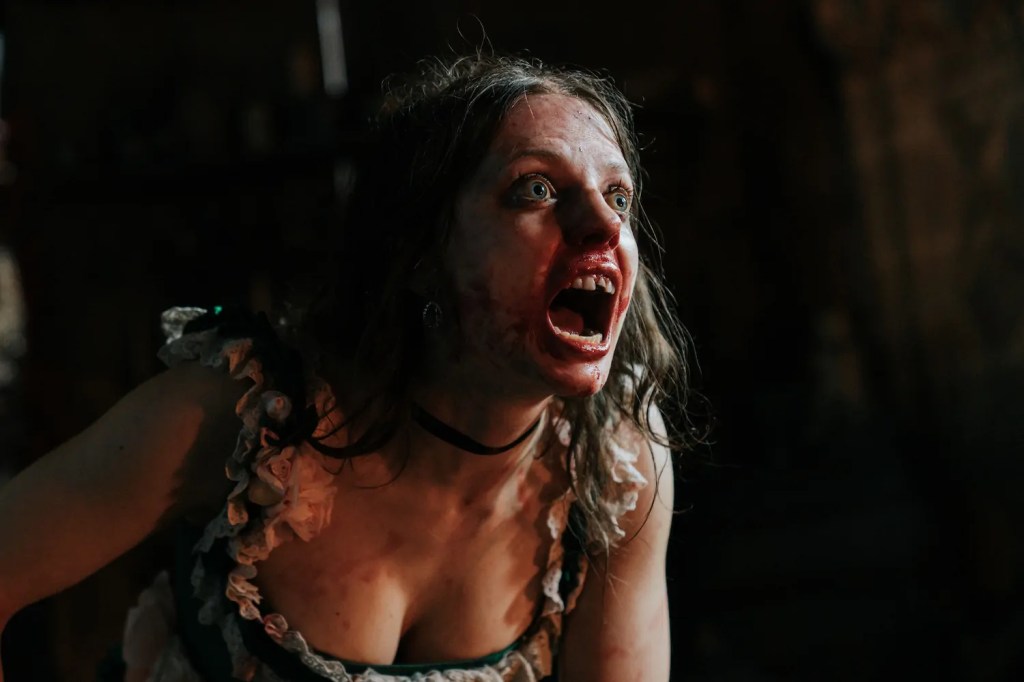
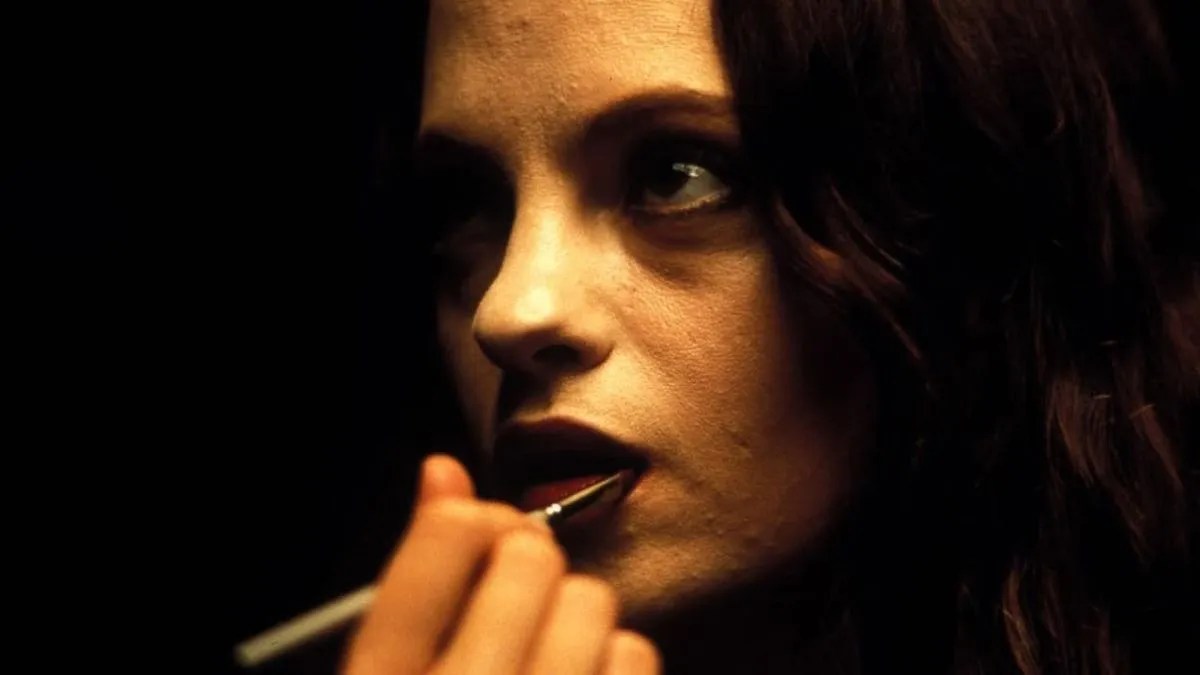
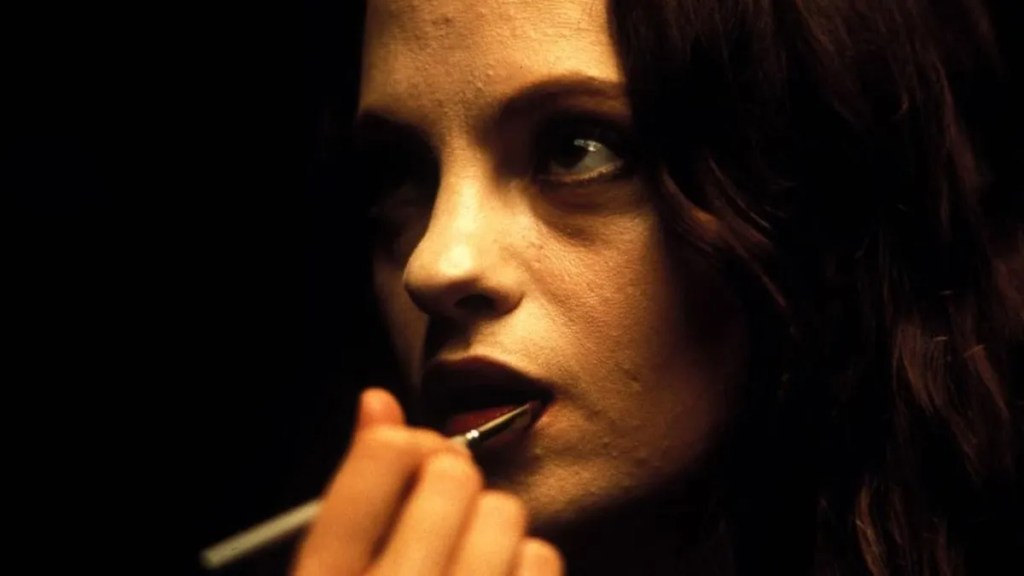
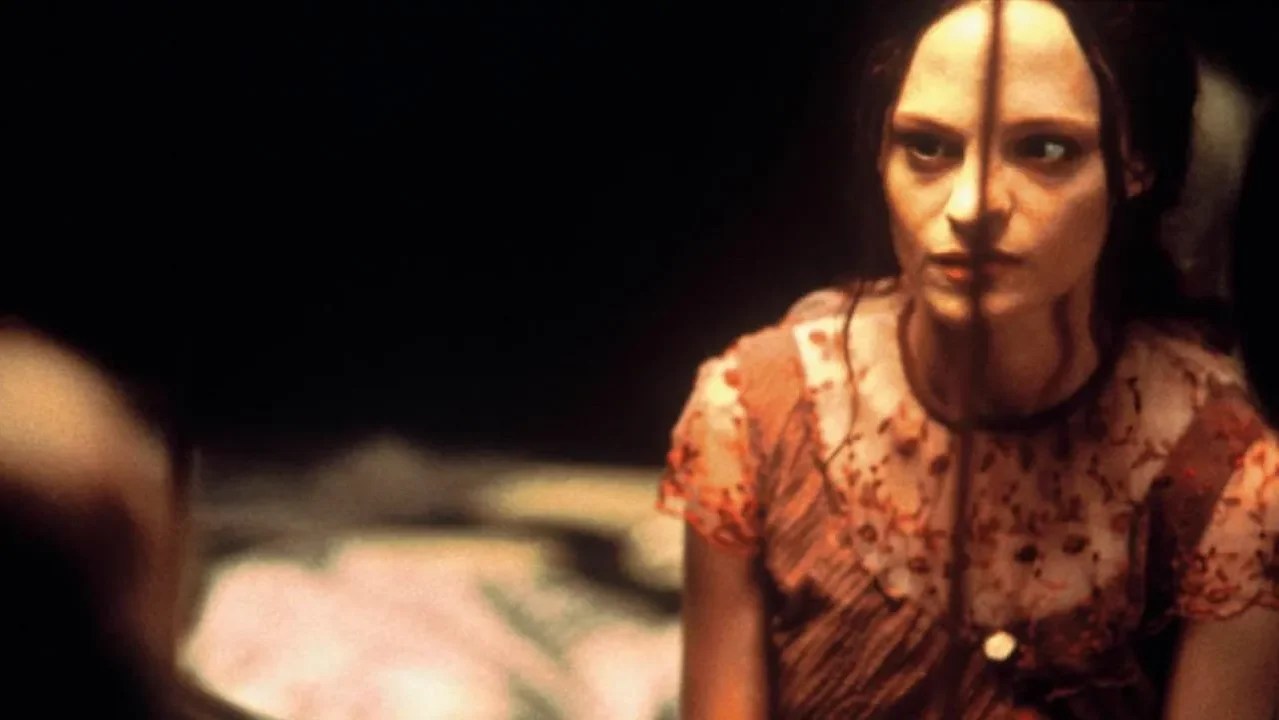
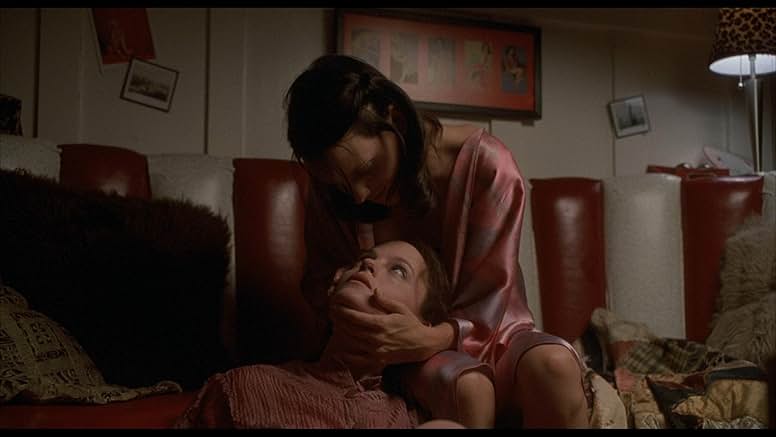
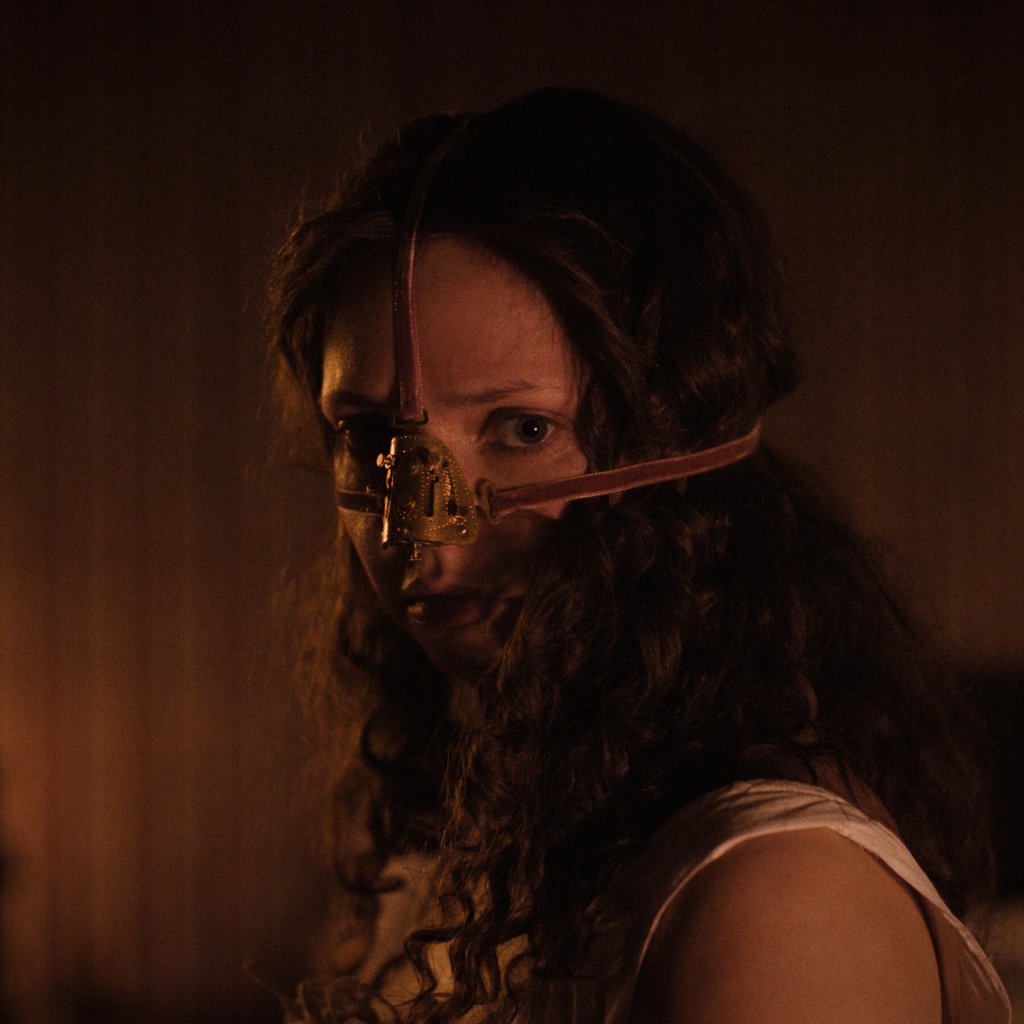
I thought the perfect way to start this blog off would be to highlight one of my favourite movies of all time, one about a weird girl and her doll (you may start to notice a theme). I bring you the underrated masterpiece May, a horror/thriller with a beautiful, tender performance by Angela Bettis, directed by Lucky McKee, released in 2002.

Criteria for a “weird girl movie.”

Throughout this blog, I will be talking about and recommending a selection of “weird girl movies” because it may be my favourite film genre. The criteria I have created for such films consist of a few things:

  • Indie/ offbeat or cult film genre (cannot be a blockbuster when it came out)
  • Starring at least one girl who isn’t just weird because she has glasses (though they normally do wear glasses), there must be at least one more thing about them that is truly odd.
  • Themes of loneliness
  • The lead cast cannot include big stars (who were famous at the time of the release)

This is one of those movies that shocked me when I found out it was made by a man. It is a beautiful, intimate, empathetic look into the life of a strange and lonely girl named May. And it is done so well.

About May

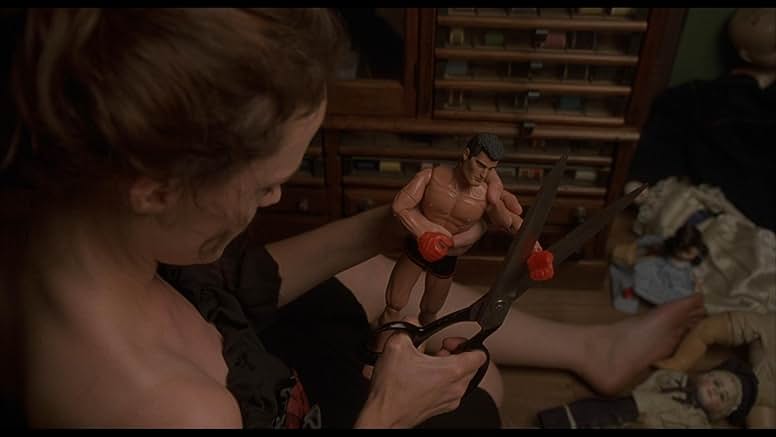
The story follows a strange and lonely young woman named May, who does, in fact, wear glasses because she has a lazy eye (which she was bullied for as a child, leaving her friendless). She’s socially awkward, and her only true friend is her doll, which was gifted to her as a child. She confides in her doll about everything.

The movie really begins when she develops a crush on a guy she sees during her lunch break at work. Without giving too much away, things… get weird, and creepy.

Lucky McKee paints a beautiful portrait of a lonely girl who just wants to be seen. It is handled with empathy, and surprisingly (for a man) doesn’t sexualize her to make the audience fall for her! This is really important to me when watching films about women. I’m so sick of sexualization and nudity being used as an “intimate” lens to understand and empathize with a character, which often reduces the character even more (in my opinion).

You fall for May in all her quirks; she’s whimsically innocent and loveably awkward. Because of this, we can forgive her faults, as we understand what she desperately wants — to be truly seen and loved. Though the film is a horror movie, you don’t leave the film scared or fearing her, but instead truly understanding her and empathizing with her, and rooting for her. 

Watch this film if you like creepy movies and weird girls! Now tell me, what is your favourite “weird girl movie”?
If you liked what you read, please follow Anatomy of a Doll on social media and subscribe to my blog!
Thank you again, and stay weird and freaky.

Want to get to know me a little more? Read about me here!