A Movie A Day Keeps the Sunburns Away: Summer Watchlist 2026

Since the sun has finally decided to bless us with its presence, and people are beginning to get sunburns, ice cream cones, and mosquito bites, I think it’s safe to say summer is officially here.

Personally, I enjoy watching movies that reflect the seasons we are currently in. So I’ve decided to curate a summer watchlist for you. Some evoke a summer feeling, of a sun-baked city or a shimmering lake, a hot summer night or a hot, dry, and deserted America.

1. Falcon Lake (2023)
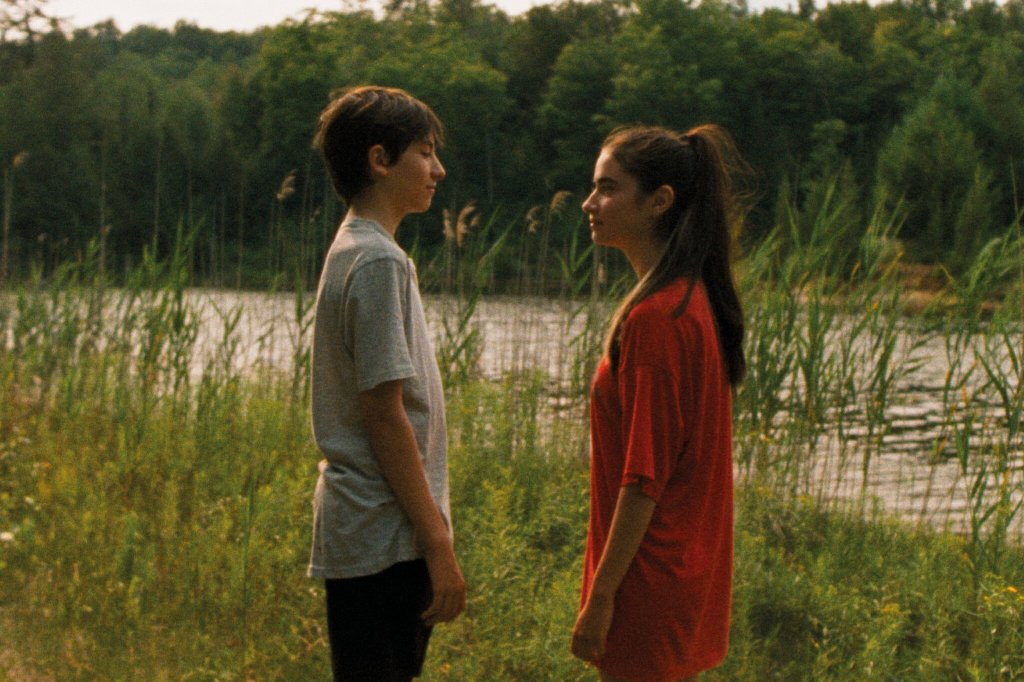
The first film on the list is Falcon Lake (2023) directed by Charlotte Le Bon. This is one of my favorite movies, introduced to me by one of my close friends who knows my taste in movies better than I do. This beautiful, atmospheric, and eerie French-Canadian film is set in cottage country. Barely fourteen-year-old Bastien (played by Joseph Engel) and his family are staying at their family friends’ cottage. The sixteen-year-old daughter of the other family, Chloe  (played by Sarah Montpetit), begins to bond over the summer. Seemingly innocent, the film has a darkness to it lurking in the shadows. 

2. Real Women Have Curves (2002)
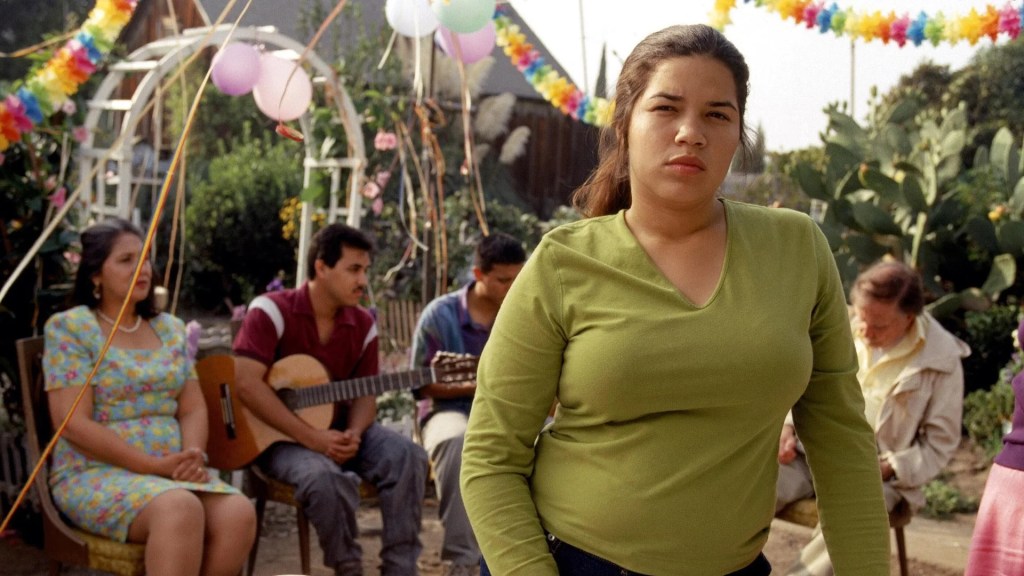
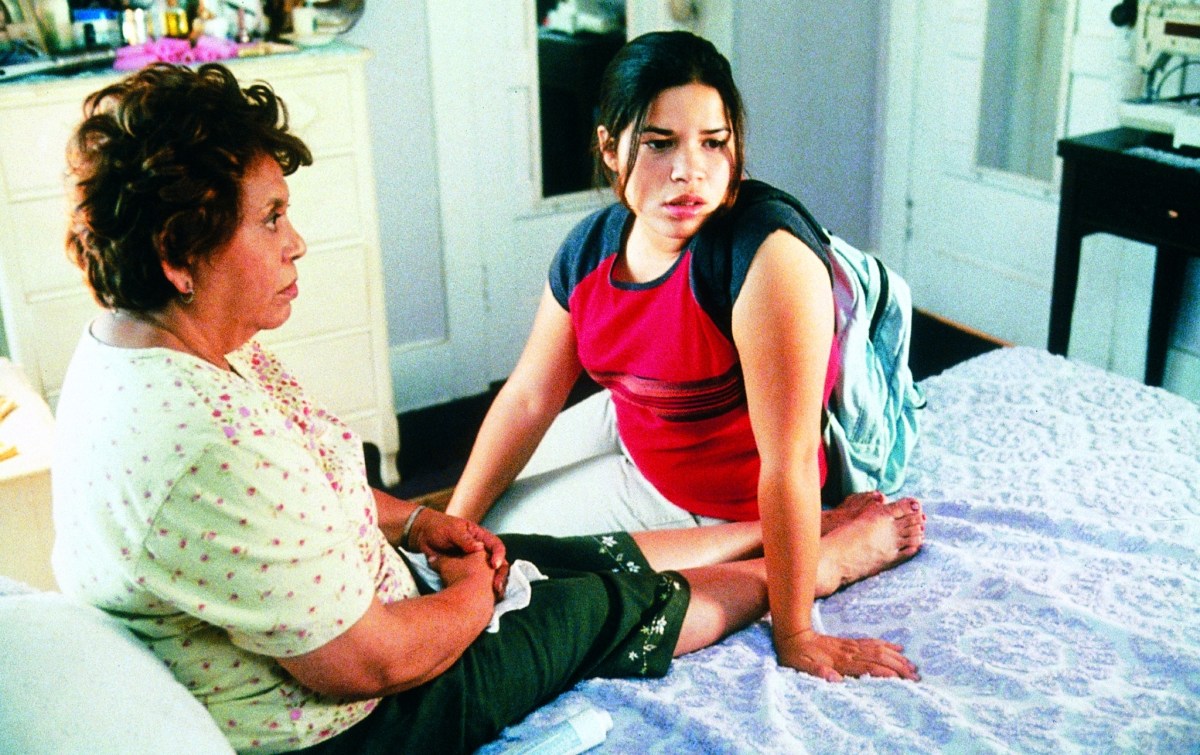
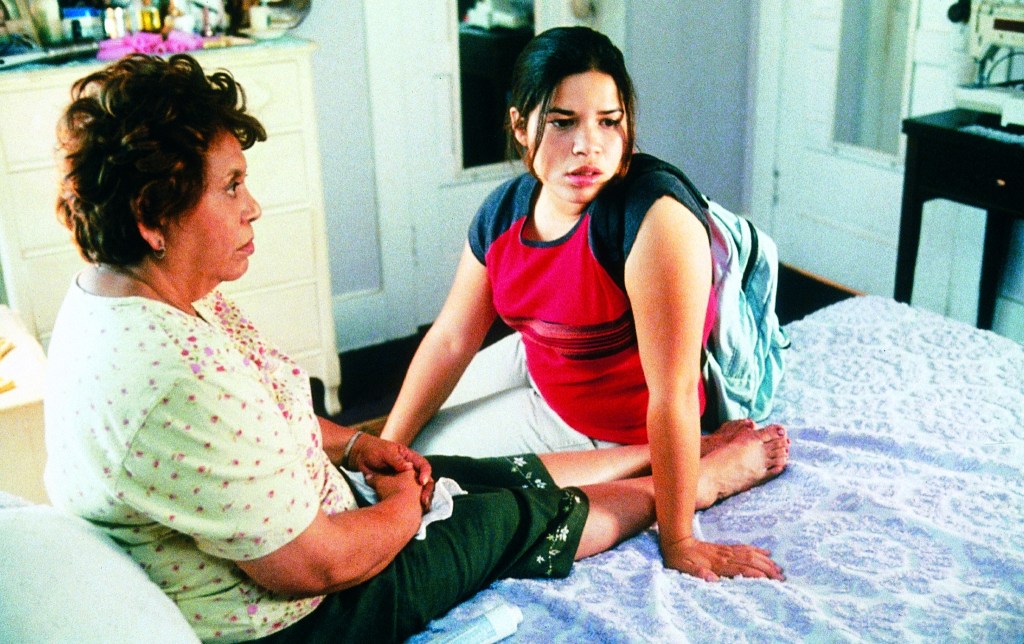
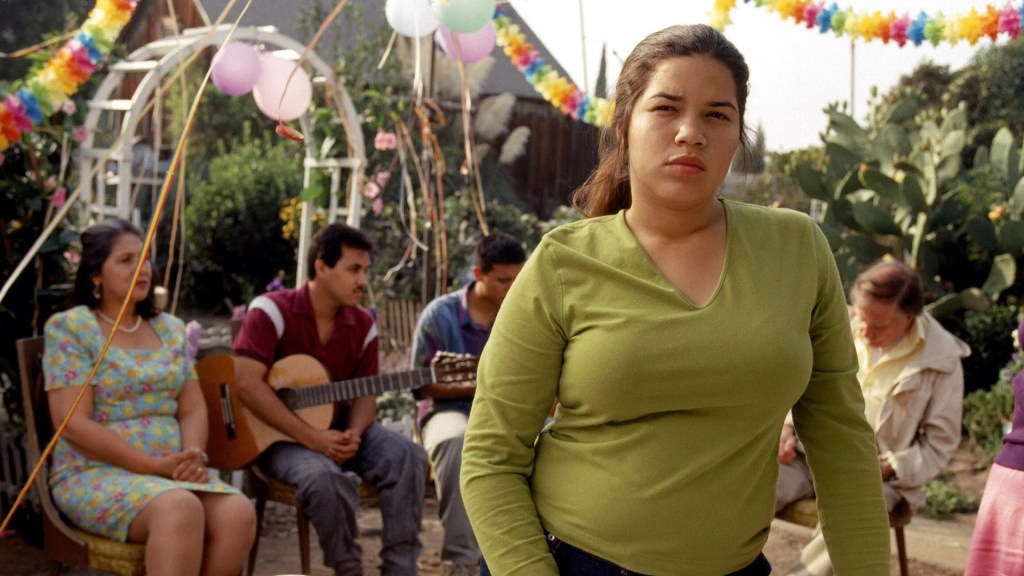
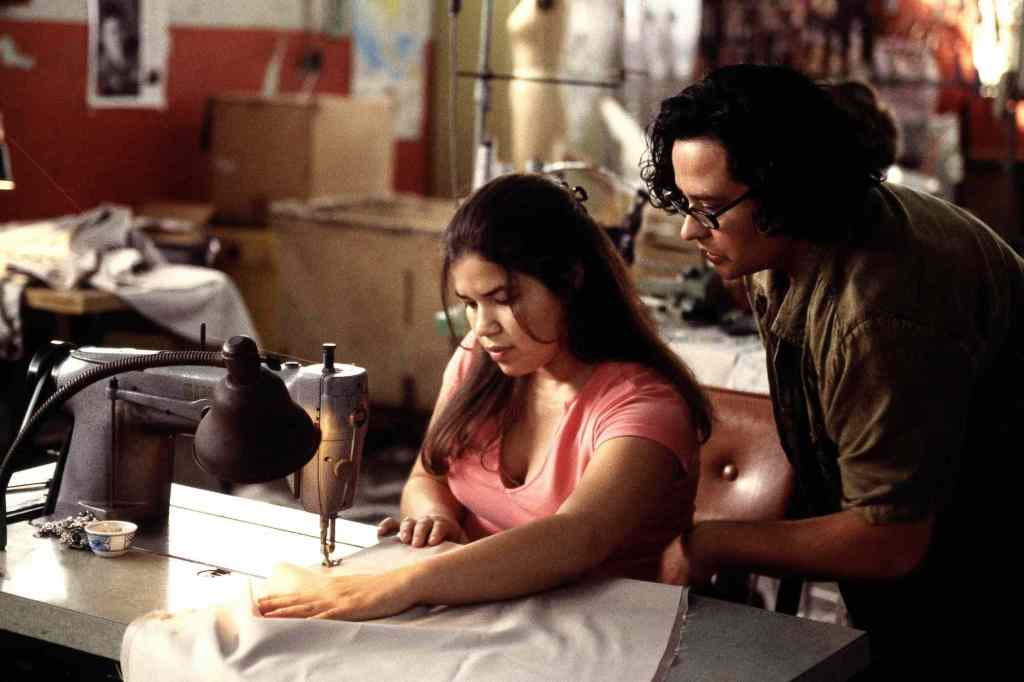
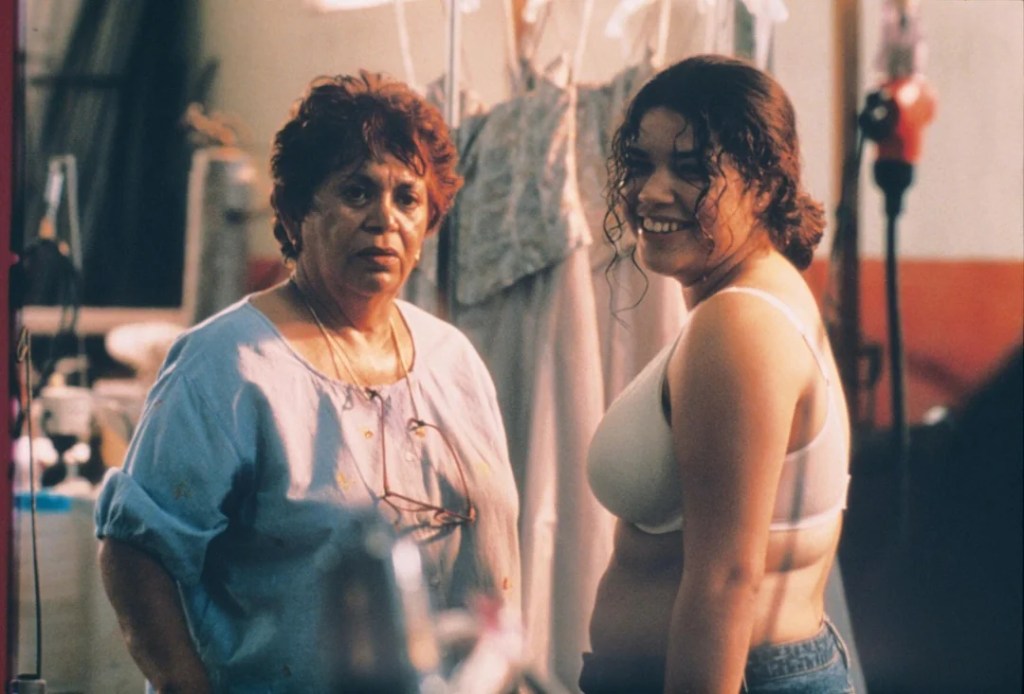
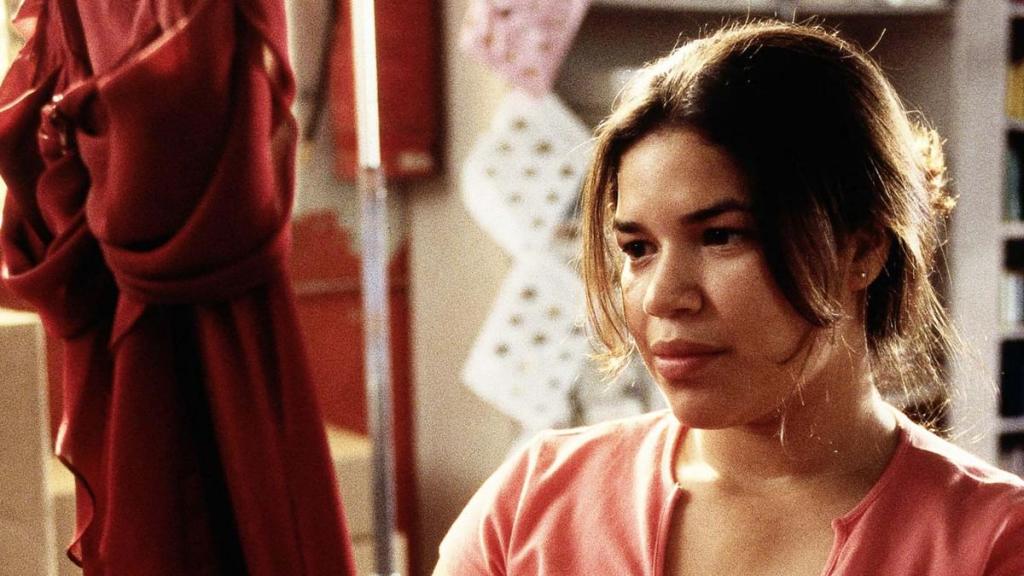
I won’t say too much about this film, but you can visit my previous post about it: Is Lady Bird the Whitewashed Version of Real Women Have Curves. The film Real Women Have Curves (2002), directed by Patricia Cardoso,  takes place in Boyle Heights, Los Angeles, following Ana (played by America Ferrera) after her high school graduation. 

3. Mustang (2015)
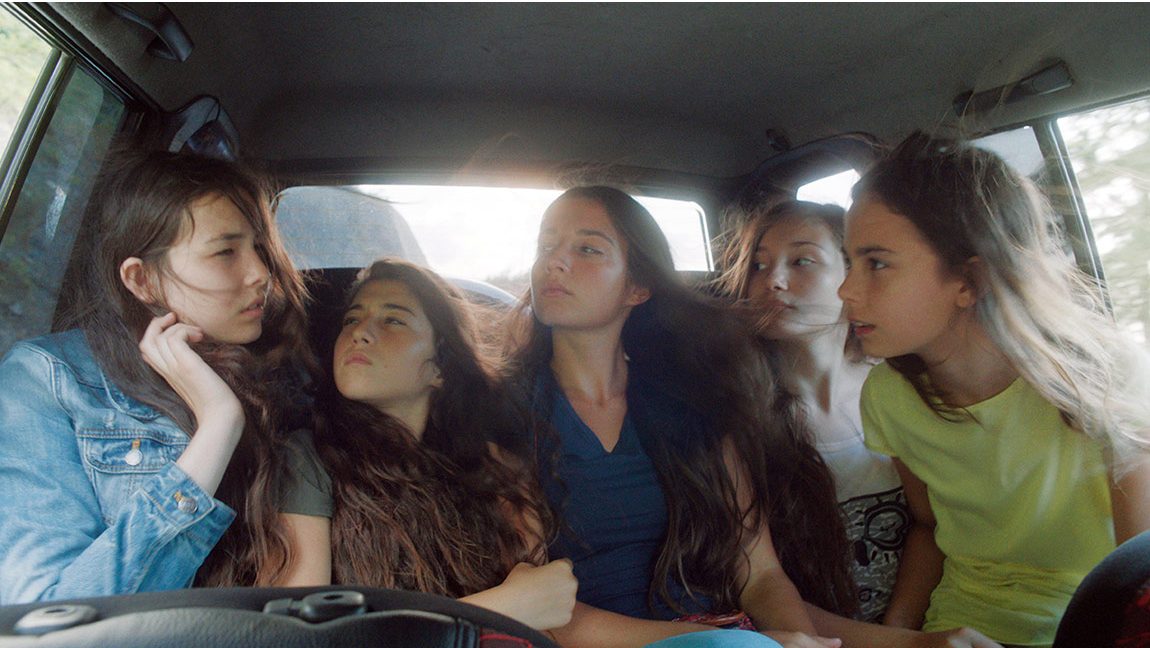
Mustang (2015), directed by Deniz Gamze Ergüven, is set in the stunning northern Turkish countryside. Five sisters navigate life as they, one by one, come of age under a strict upbringing and the expectation of marriage. The film revolves around the powerful bond between the sisters and what they are willing to do for each other.  This is an example of a foreign film that introduces you to a young girl’s experiences that may be very different from yours, and in other ways similar. I discuss this in my post Why Watching Films About Women Matters More Than Ever

4. American Honey (2016)
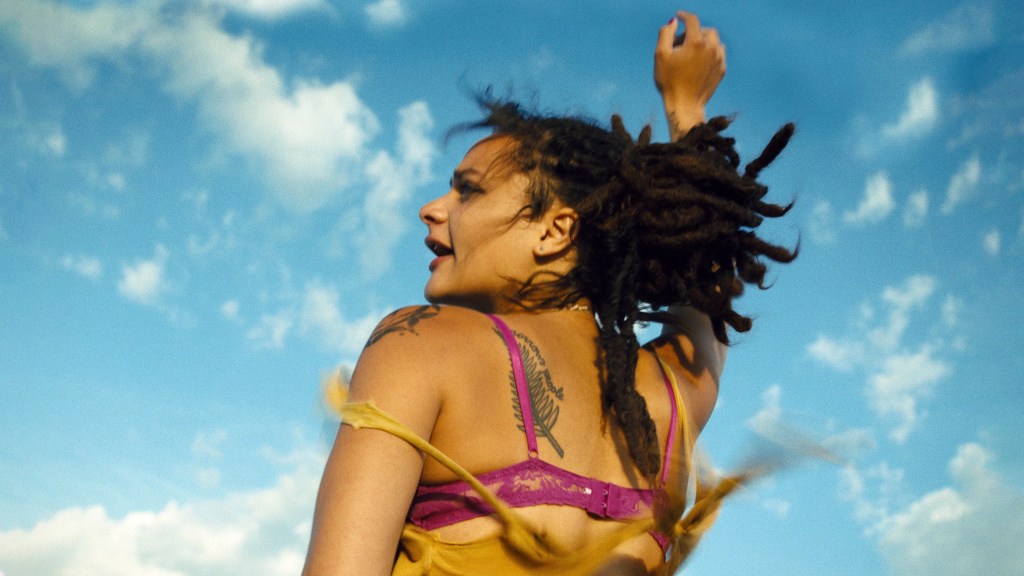
American Honey (2016) follows a teenage girl, Star (played by Sasha Lane), who meets Jake (played by Shia LaBeouf), a magazine salesman on a traveling sales team. He invites her to come along and work with them. In an attempt to escape her toxic mother and bad home life, she joins him on their roadside adventure. Director Andrea Arnold paints a beautiful and raw coming-of-age story of Star and all the very real characters she meets along the way across the country. 

5. Ghost World (2001)
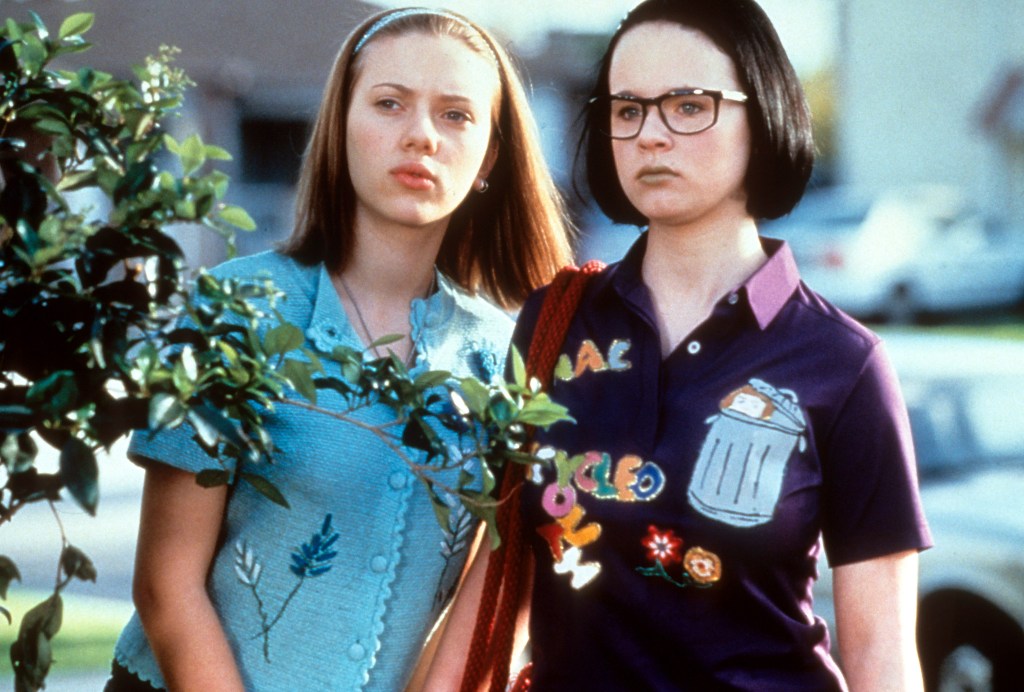
Ghost World (2001), directed by Terry Zwigoff, is another story set in th summer after graduation about a teenage Scarlett Johansson (Rebecca) and Thora Birch (Enid) floating through life, with all sorts of quirky mishaps and characters they meet along the way. 

6. It Follows (2014)
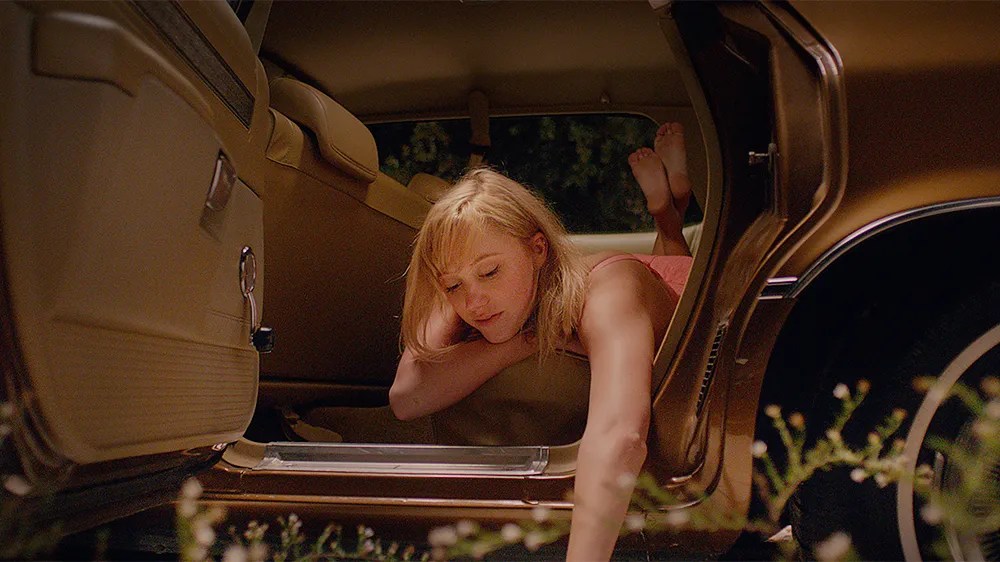
It Follows (2014), directed by David Robert Mitchell. Is an atmospheric, psychological horror movie with one of my favorite Scream Queens, Maika Monroe. It Follows, I truly believe in going into horror movies blind, so I am not giving you much to go off here other than it has a summery feeling to it (at least in a couple of scenes?) and that’s why I’ve included it on this list, but really it’s because I love this movie and you should too. 

7. 3 Women (1977)
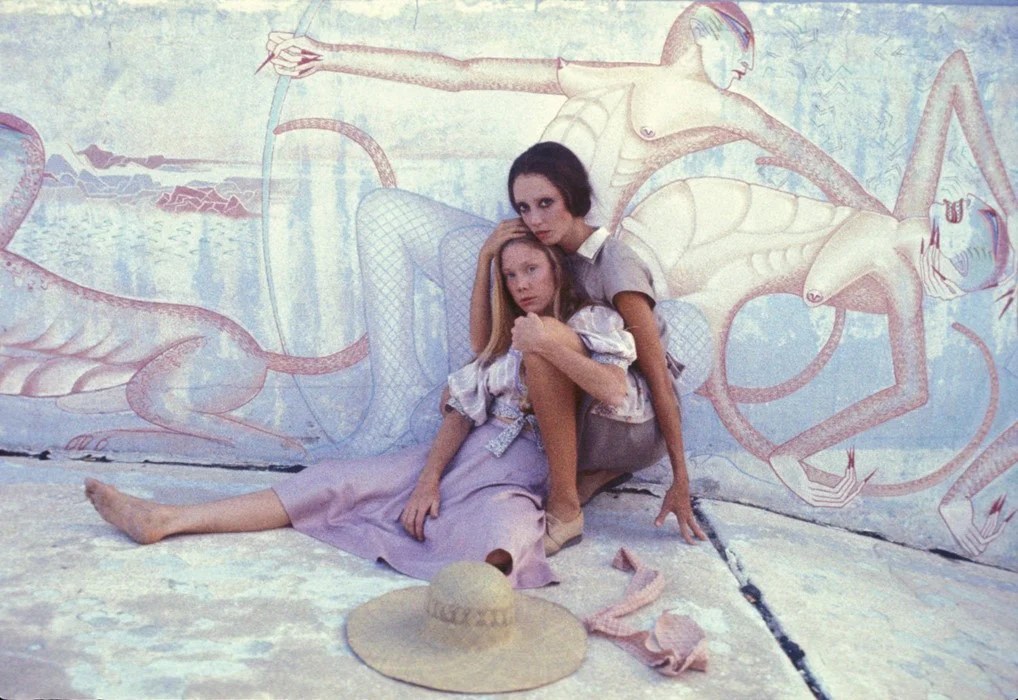
3 Women (1977) is a Robert Altman classic, but more importantly, it stars two 70s icons: Sissy Spacek (as Pinky) and Shelley Duvall (as Millie). Taking place in a motel apartment complex in a deserted Californian town, a psychological drama between two girls working at an old folks home. Pinky is shy and awkward and follows around a chatty Millie until one day, the tables turn. 

8. Stealing Beauty (1996)
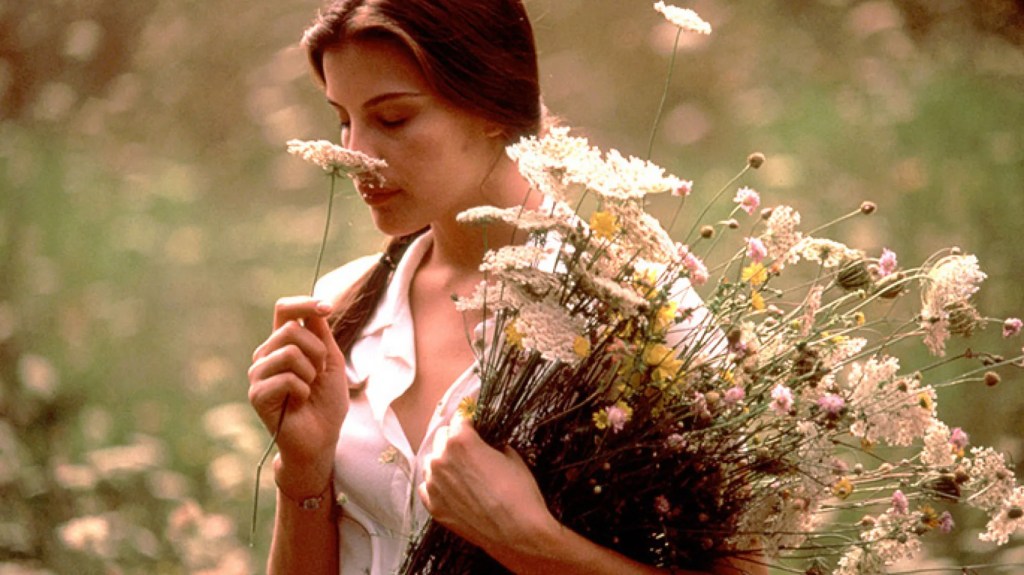
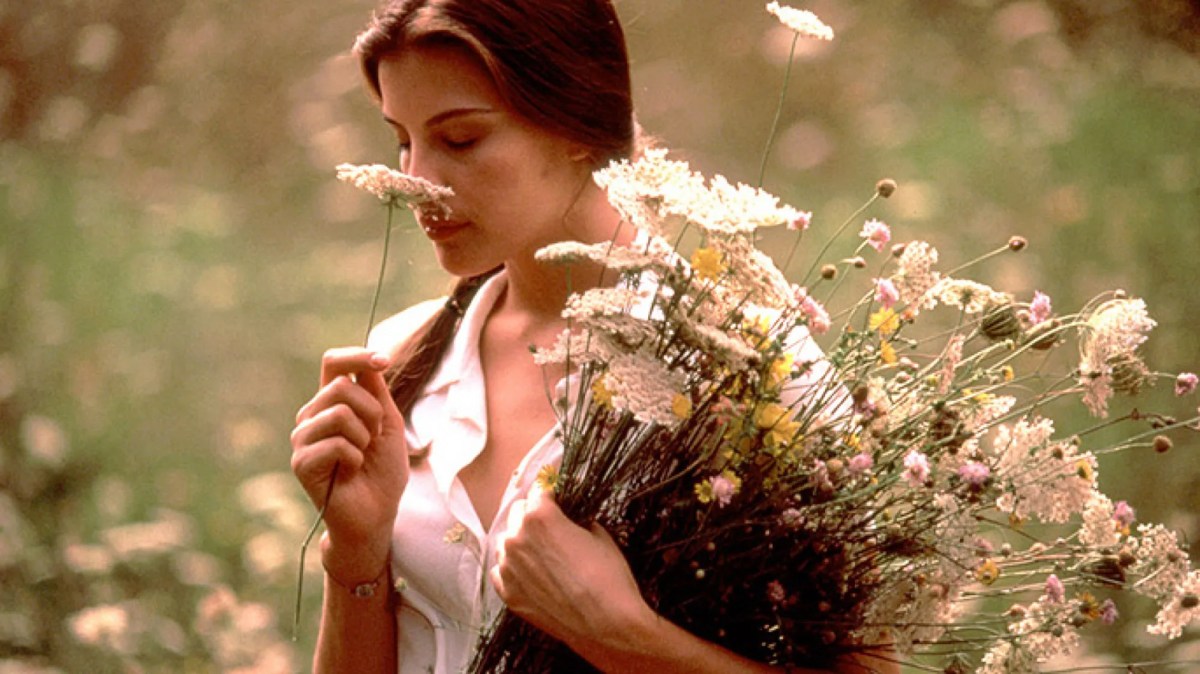
If you want to feel like you’re living in the Tuscan countryside for 116 minutes, this movie is for you. Directed by Bernardo Bertolucci, starring Liv Tyler as Lucy and Jeremy Irons as Alex. Stealing Beauty (1996) may not have the strongest messaging, but it has all the vibes. A young Lucy spends the summer staying with family friends in a Tuscan villa, in the hopes of meeting a boy. She makes connections with the people staying at the villa, navigates summer romances, and forms an unlikely bond with the older man staying with them.

9. Water Lilies (2007)
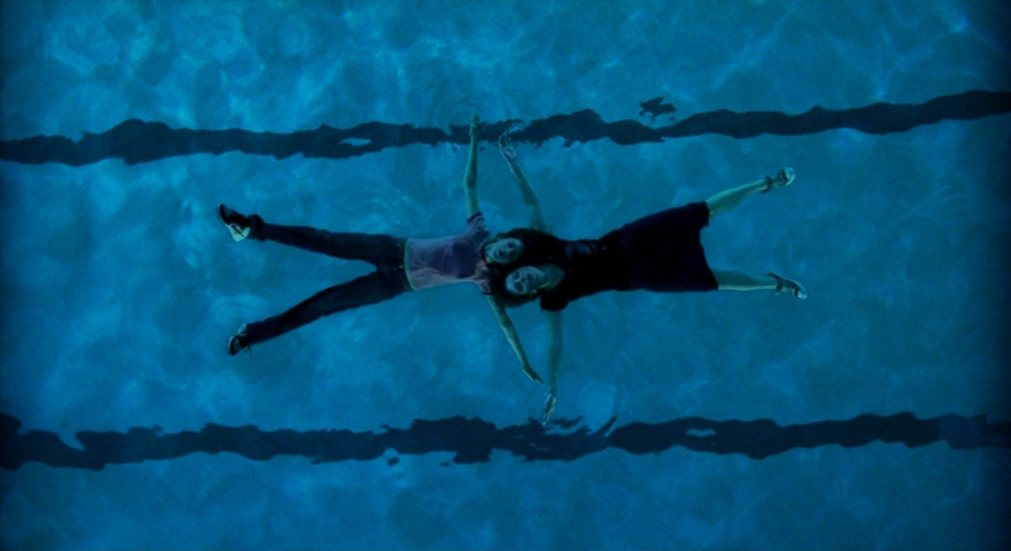
Directed by Celine Sciamma , Water Lilies (2007) is a coming-of-age film that takes place in a French suburb over the summer, following a tween named Marie (played by Pauline Accquart) who tries to join the local pool’s synchronized swimming team in an attempt to get closer to Floriane (played by Adele Haenel) who she is mesmorized by. 

10. Aftersun (2022)
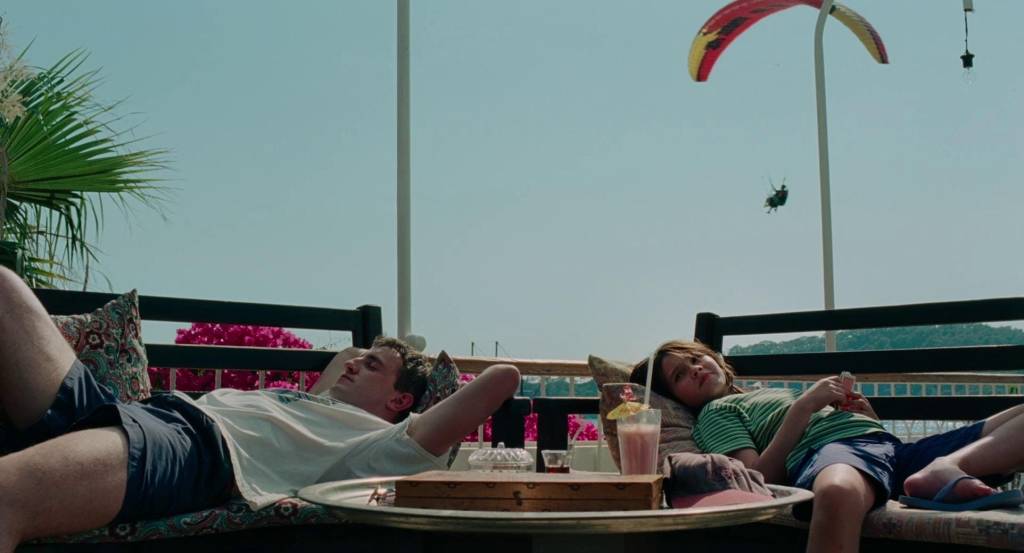
Aftersun (2002) is perfect for a feeling-blue kinda summer day, directed by Charlotte Wells. A young father named Calum (played by Paul Mescal) takes his 11-year-old daughter Sophie (played by Frankie Corio)on a vacation. Through the lens of a young Sophie, this film focuses on memory rather than plot, with darker underlying themes, if you need abreak from the summer heat, stay in and cry with this film. 

11. Sisterhood of the Traveling Pants (2005)
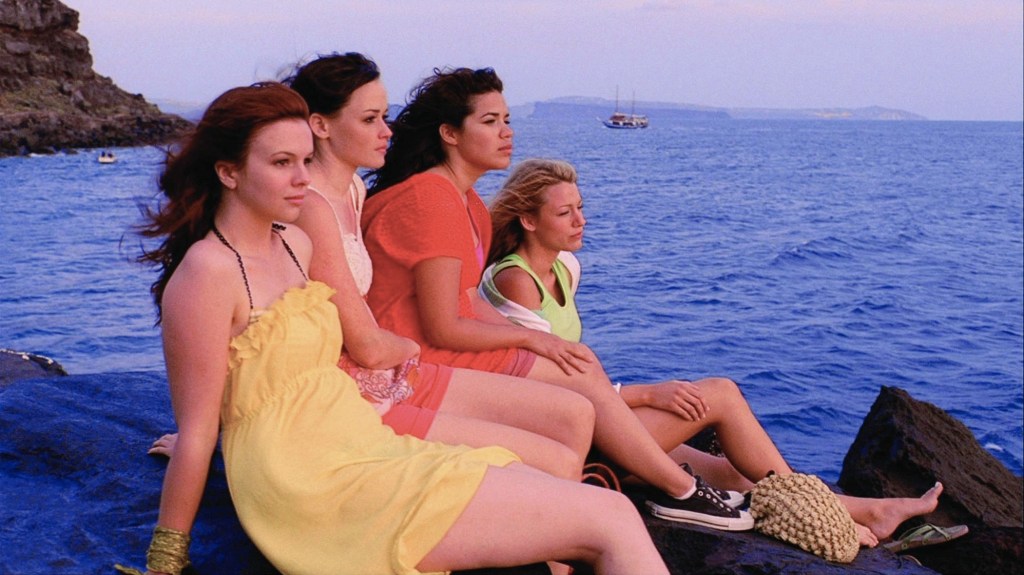
Ending it off with an absolute classic comfort film that I hold very close to my heart. Sisterhood of the Traveling Pants (2005) is directed by Ken Kwapis and features an iconic cast: America Ferrera as Carmen, Alexis Bledel as Lena, Blake Lively as Bridget, and Amber Tamblyn as Tibby. The film follows four best friends who one day find a pair of mysterious jeans that magically fit all four of them perfectly. So, as they spend their summers apart, they send their jeans from friend to friend, each along with letters sharing their summer adventures. 
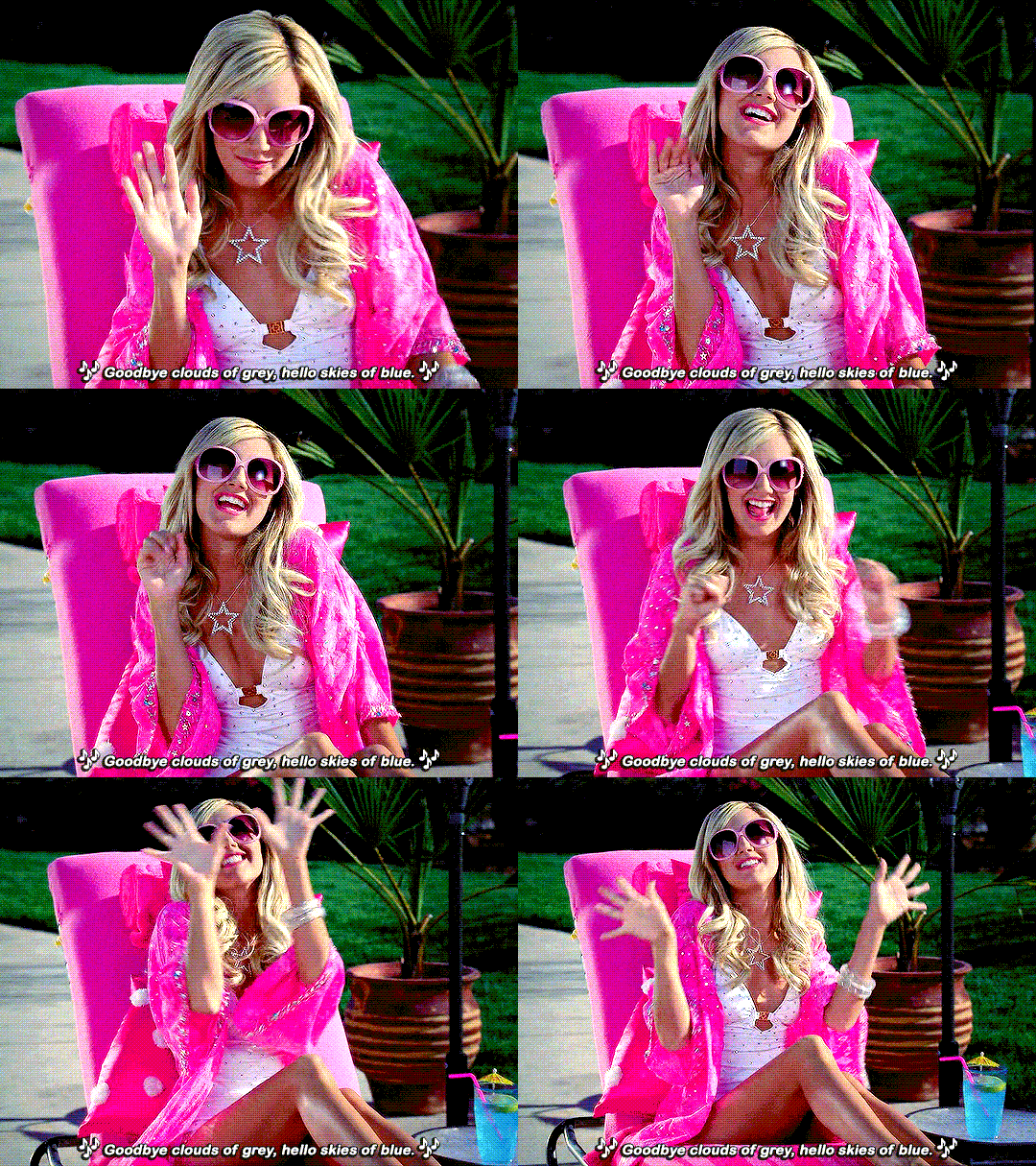
I hope this list of films (all very different vibes, of course) serves you well when you’re at a loss for what to watch on a hot summer night. And I can’t wait to talk more about these in detail. 

Till next time, dolls!
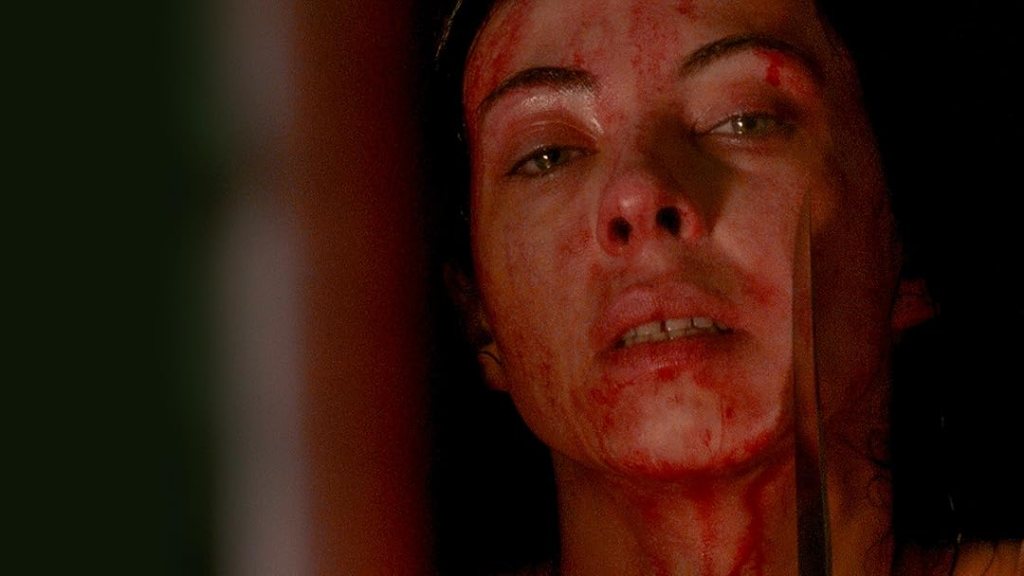
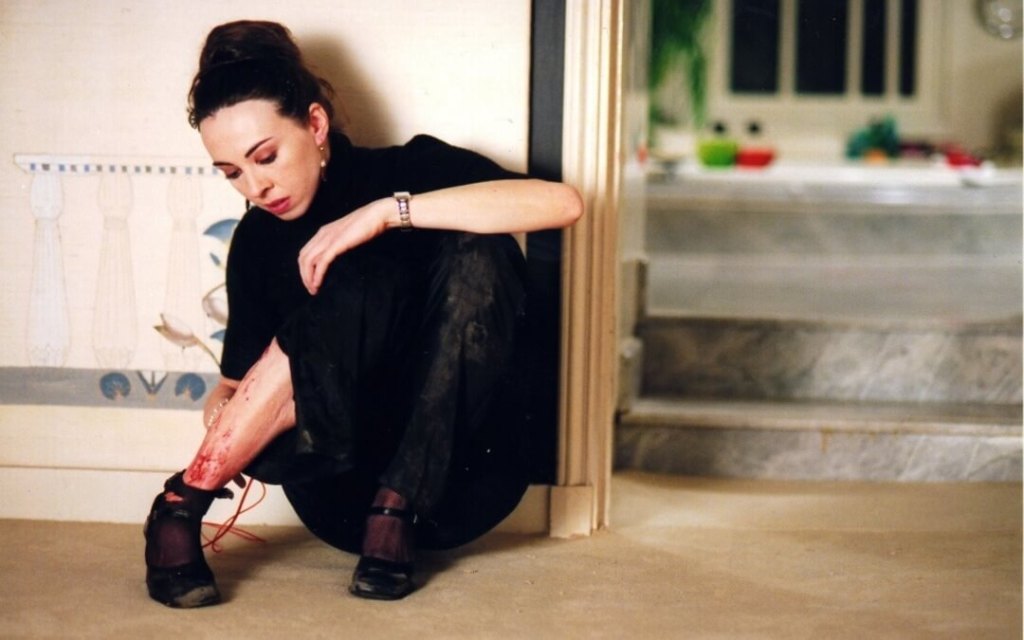
His Body is a Temple, but Hers is a Prison: In My Skin (2002)

Trigger Warning: Self-harm & Gore

I have seen many films within the feminist body horror genre, and I normally understand the metaphors and general themes, which are commonly about coming of age as a young woman or teenager, beauty and aging, and/or about sexuality and sexual awakenings. 

So when I saw the film In My Skin (2002), I was left somewhat unsure. While I had many thoughts brewing about women’s bodies, mental health, autonomy, trauma and pain, I couldn’t exactly put into words what the film was attempting to convey. And though I couldn’t explain it, I somehow understood it (or atleast I understood how it made me feel). 

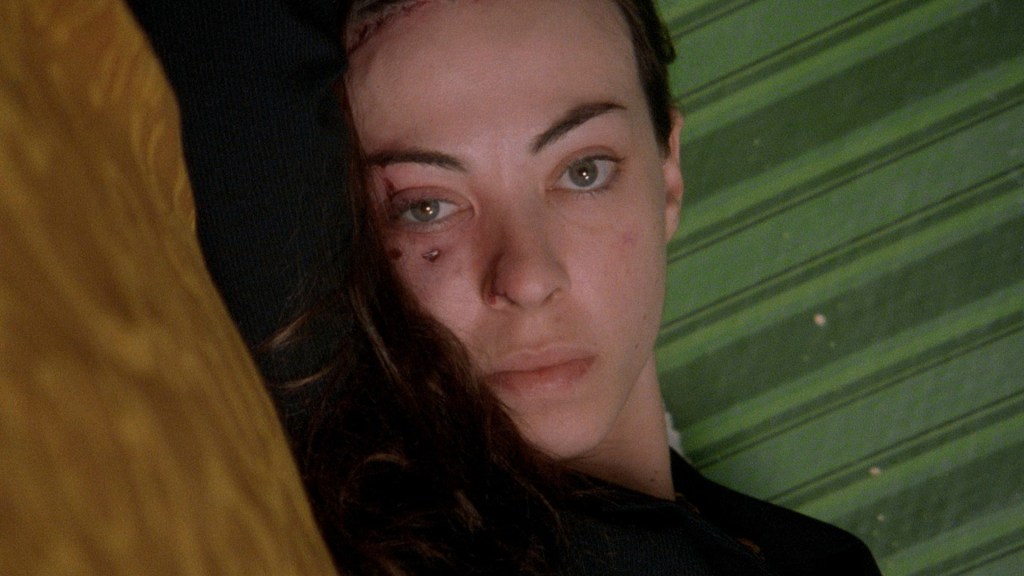
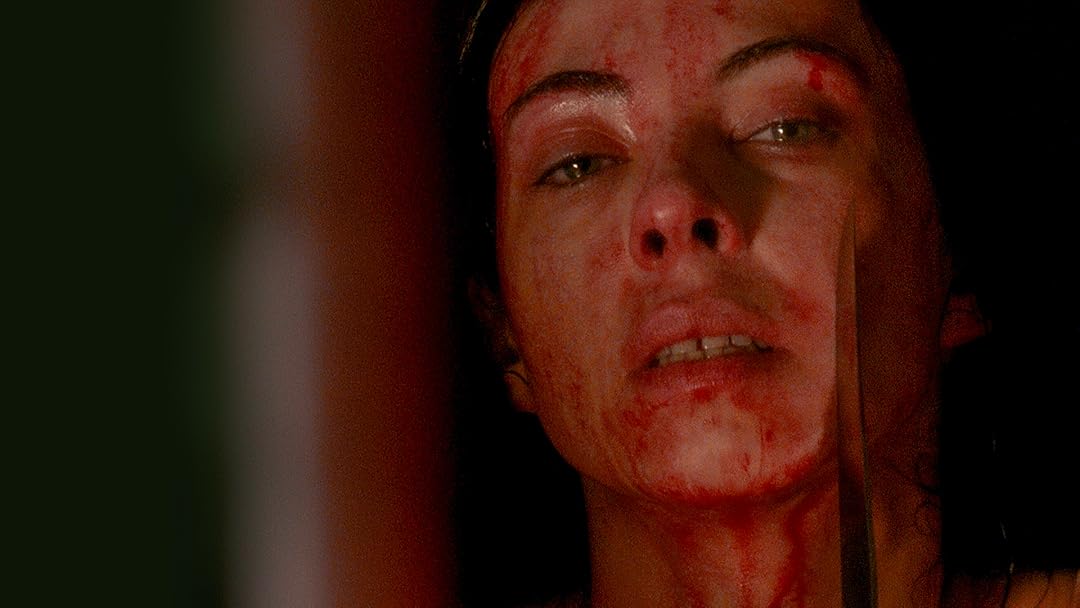
In My Skin is a French film directed by and starring Marina de Van, about a woman named Esther (Marina de Van) whose story begins when she attends a party; while she’s outside, she scrapes her leg against something metal. She doesn’t notice for hours that her leg is deeply injured and bloodied. 

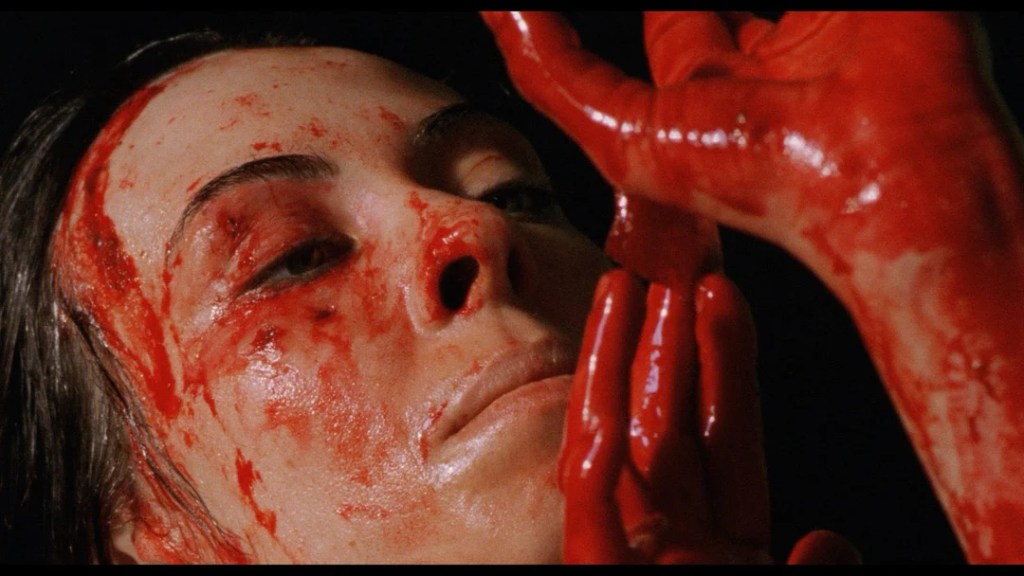
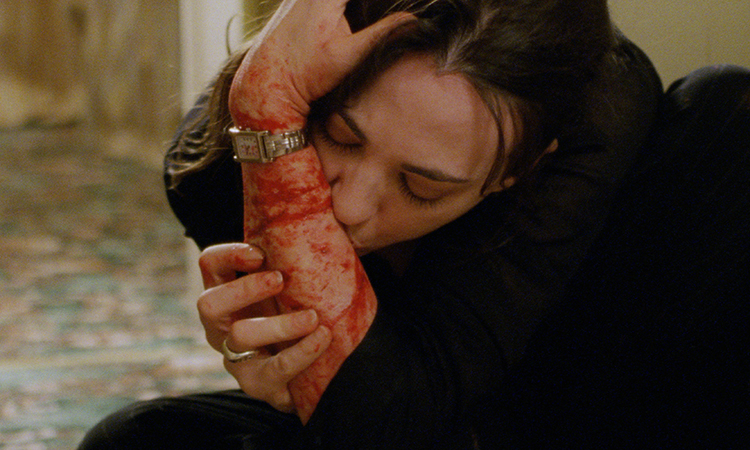
After this injury, she becomes somewhat allured by the concept of self-harm; she begins to have overwhelming urges to cut her legs and arms up. Her friends and her partner find out and begin to treat her differently; they become upset with her for hurting herself; however, it does not seem as if she feels much about what she’s done. She refuses to discuss it with anyone. 

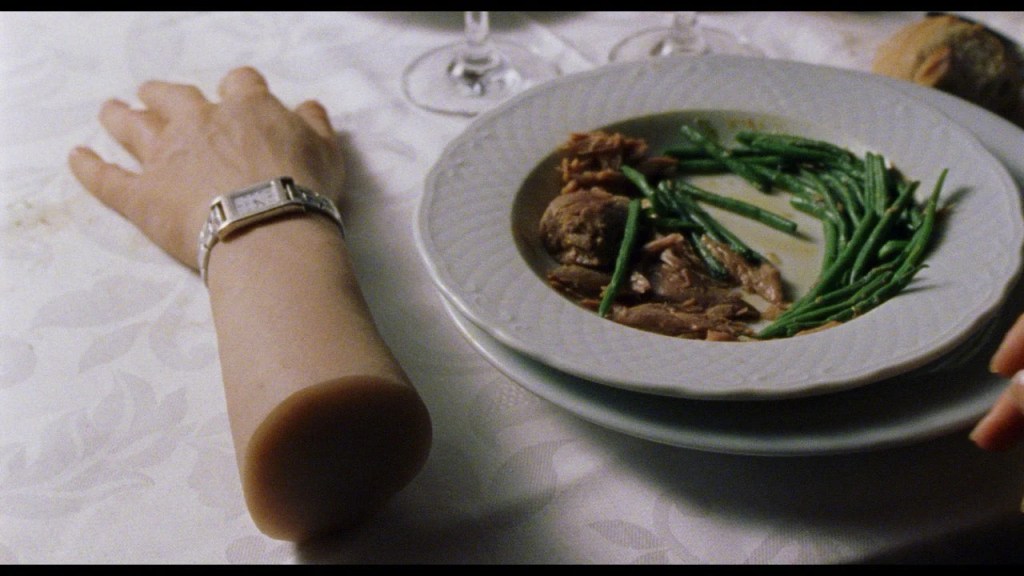
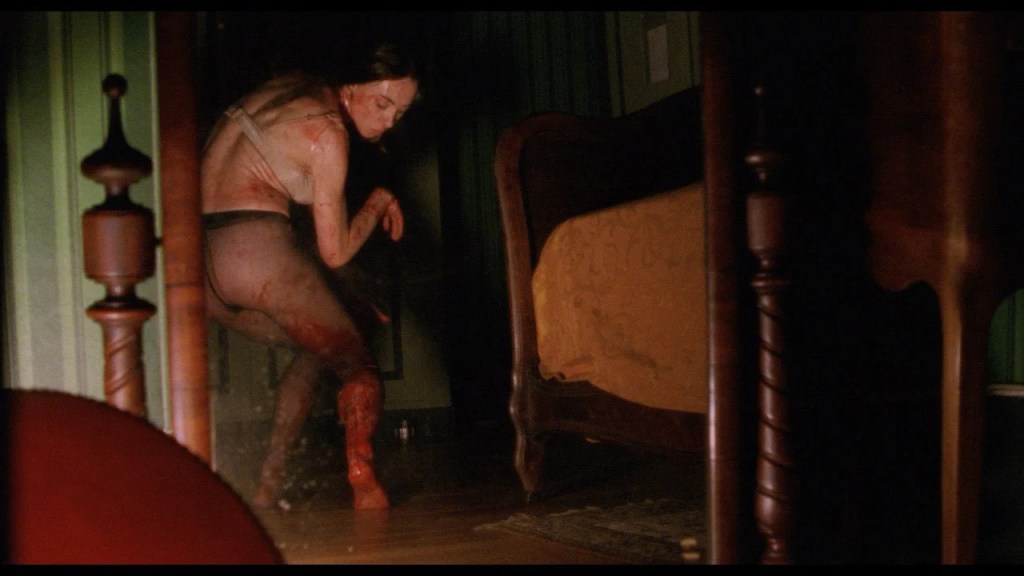
The urges become stronger, and she begins lying to her boyfriend so as to not upset him (or they will begin to fight). Things begin to spiral; Esther begins to hallucinate, lose control of body parts, and the urge to self-harm becomes a form of pleasure to her that she cannot seem to stop engaging with. She keeps making up lies so she can keep going.

All the while, her boyfriend continues to press her for explanations; he doesn’t trust her with her own body and feels he needs to be with her all the time in order to prevent her from getting hurt. However, this doesn’t stop her; her obsession only grows stronger.

In this film, Esther’s pain, isolation, mental illness, and frustrations are explored through the self-mutilation of her body. She gains pleasure through this, while she knows it hurts those around her (namely, her boyfriend). 

After watching the film, I ran to Letterboxd to read reviews, hoping someone would help me put my thoughts into words and make sense of everything; then I stumbled across this review by Letterboxd user Emma Katherine (or @exsanguinate):

“Am I at least entitled to my own body? They tell me it belongs to them, like everything else. So before they can take it I will shred it from the fucking seams because if no one else wants it, it’ll finally be mine.”(@exsanguinate, 2023). 

And things began to click. While I also interpreted other sentiments from this film, this quote really resonated. 

Body horror is and should be a feminist genre. It challenges patriarchal systems and provides deep and dark insight into being in a non-cisgender-male’s body. It goes beyond “body positivity” and ties to identity, pain, trauma, and autonomy.

Within the feminist body horror genre, women are not the stereotypical victim (as they so commonly are in the horror genre). In a space where women’s bodies are taken from them by men, harmed, and sexualized, this genre takes the control out of the men’s hands and gives the women their bodies back; Esther is not a victim of someone else’s harm; she is the one performing harm on herself. 

The distance between the pain Esther’s body feels versus what she doesn’t creates a kind of separation between her and her body, and she finds herself constantly questioning this notion.

Director Marina de Van sheds some light on what she intended to convey in the film in this 2002 interview:

This feminist body horror film deals with  some very different themes from other body horror films I’ve seen (see my post Beauty is Pain but at What Cost: The Ugly Stepsister (2025), and I think it is why it has left me with so many thoughts and questions; it’s unlike anything I have seen to date.

Carina Stopenski puts it beautifully in her text Exploring Mutilation: Women, Affect, and the Body Horror Genre,:

“Body horror is paradoxical, both embodied and disembodied, both subverting feminist expectations and fulfilling them. Whether it be beauty, sexuality, action—the female mutilator laughs in the face of these standards, an island of her own in a genre that is constantly forcing women into submission. […]Mutilation of others and the self allows the traumatized female mutilator to come to terms with her Otheredness, and in the process, she frees herself from the threat of abjection: she casts herself out voluntarily before society can do so.” (Stolpenski, 2022).

I feel as if I understand the film and yet I am left with so many questions  at the same time. The film deals with complex themes, and there is much to be taken from it. I encourage you to watch the film and share what you took from it. Do you understand her reasoning for her actions? How does the ending leave you feeling? I’d love to hear more insights from others and truly peel back the layers about this bizarre, complex, and gory film (or get under its skin, so to speak).

Check out my blog page to read more.

Till next time, dolls!
Work Cited

I Was a Teenage Gangster: Amoeba (2025)

A film about Girlhood, Ghosts, and Gangsters 

I have always wanted to attend the Toronto International Film Festival; however, I am always away when it happens, so I was very excited to see some screenings at my very first TIFF in September 2025. 

I searched through the available films, and my main criteria were: is the movie about girls? And, can I afford the ticket? So I managed to snag some cheap tickets to a bunch of indie films, and I had a blast the whole time.

The first film that caught my eye, and the first film screening I attended, was a film called Amoeba (2025) written and directed by Tan Siyou. I was pleased to find out the Singaporean film was accompanied by a director Q&A, and it did not disappoint.

My mother is Malaysian and spent a lot of her teen years in Singapore, so when I saw the film was about a group of girls in a private school in Singapore, it immediately stood out to me.

I don’t want to give away too much in this post because I really want people to go in blind and experience this wonderfully unique film about girlhood. 

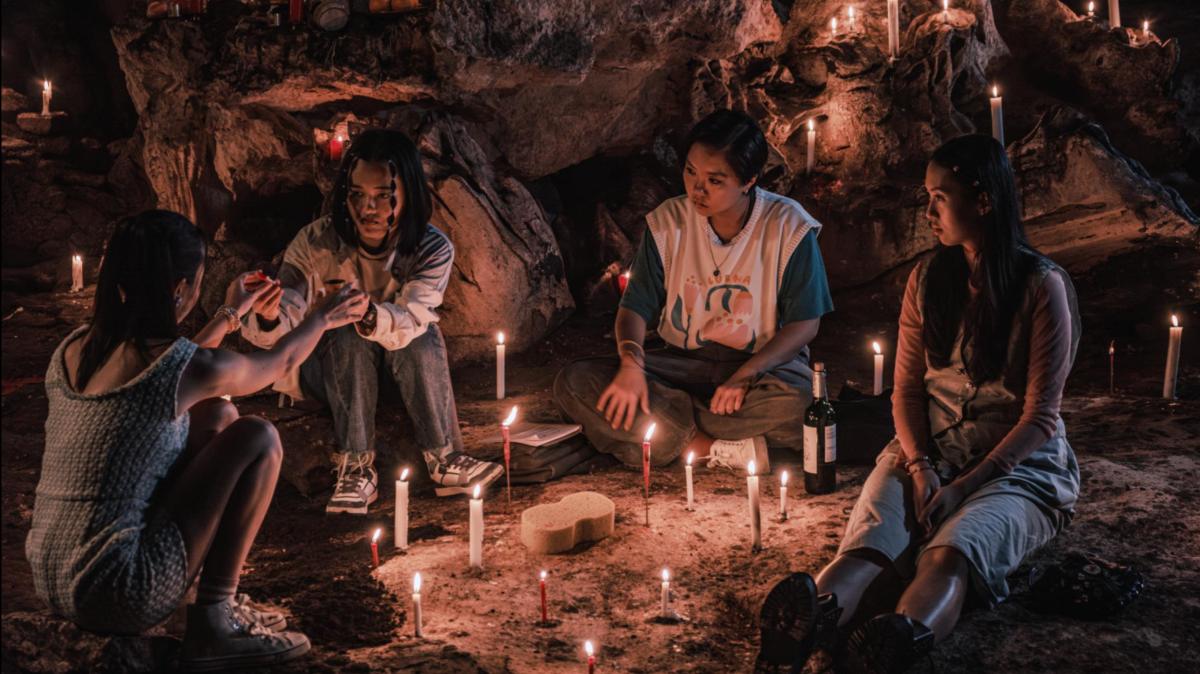
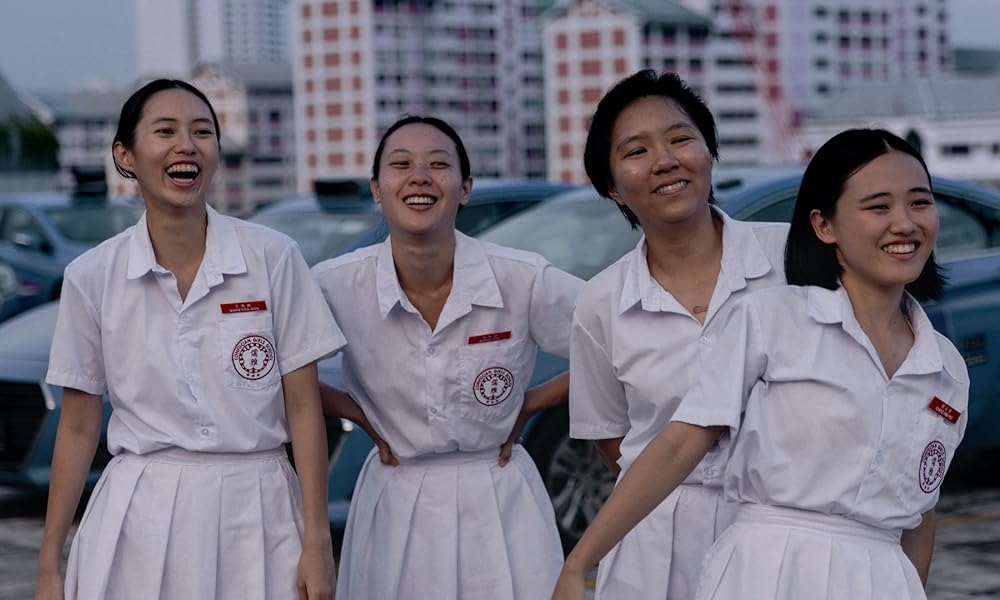
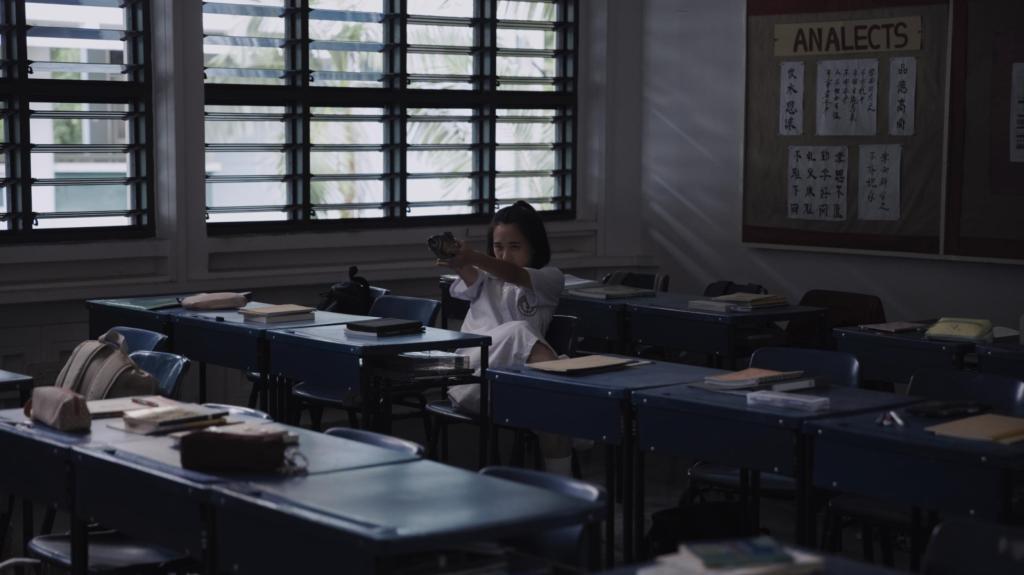
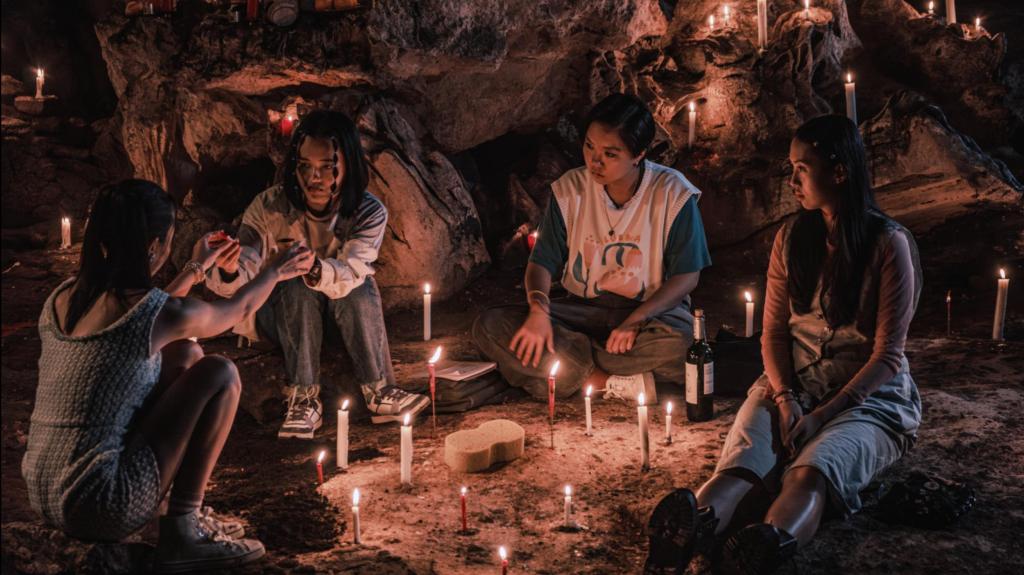
The film follows a rebellious girl named Choo Xin Yu (played by Ranice Tay), who is new to school and quickly becomes friends with a group of girls: Vanessa (Nicole Lee), Sofia (Lim Shi-An), and  Gina (Genevieve Tan). Set against the backdrop of a strict private school, these rebellious teens become a tight-knit group very quickly; they explore together, they film their lives on their camcorder, they cause chaos, and they help Choo Xin Yu try to capture her ghost on camera. 

The four girls decide they want to start a gang, so they turn to one of the girls’ family drivers, Uncle Phoon (played by Jack Kao). Uncle Phoon was a former gang member, and so he teaches them about what it really means to be a part of a gang. He introduces them to the four principles of being in a gang: loyalty, righteousness, brotherhood, and truth, which they take very seriously.

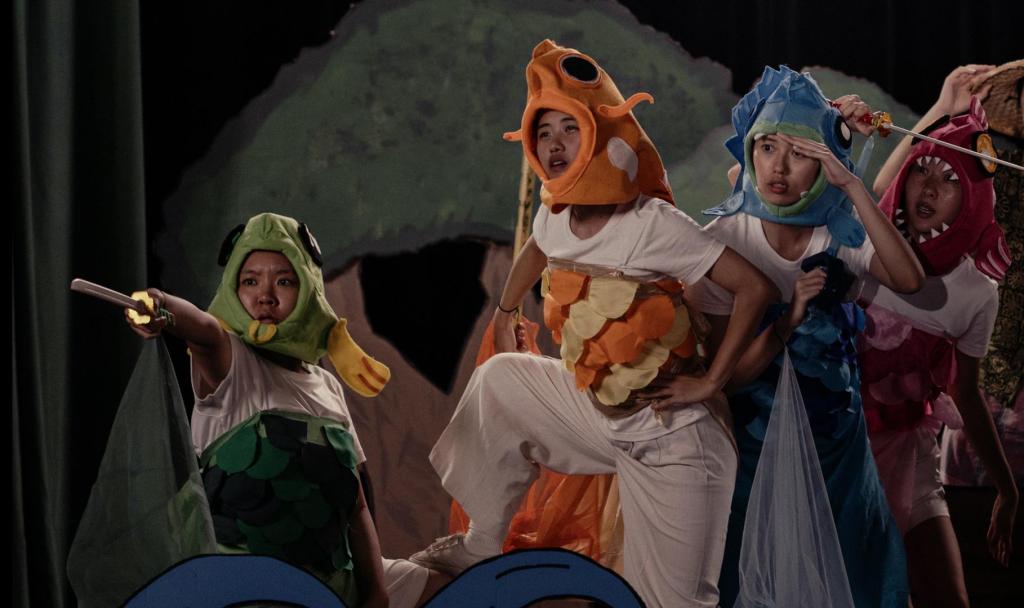
The girls perform somewhat unserious and sometimes silly acts of rebellion, which contrasts with the very strict and serious school they are in, which feels very authentic to the adolescent experience.

The film does not follow a traditional narrative, but you begin to exist with these girls, and you live through their thoughts and feelings.

This film has several elements: forbidden queer love, rebellion within a very structured society, strong female friendships, and even elements of the supernatural.

Something I love about this film is that it perfectly captures female friendships in teens. The girls’ desire to join a gang showcases the intense bond they form and their desire to disrupt. Beyond the actual gangster desire, this feeling is all too familiar, and it is a kind of intensity in friendship that really only exists as teens. This coming-of-age film uses the themes of friendship to explore growth, similarly to the film Thirteen (2003) (See my post Tweenage Wasteland: Thirteen (2003) ), but more so; Amoeba uses friendship as a form of positive growth instead.

This was my introduction to Singaporean film, and it was a really interesting lens to learn a bit about the culture from the perspective of teen girls. The director  and writer Tan Siyou based it on some of her own experiences, and that authenticity really shines through in the film

As I stated in Why Watching Films About Women Matters More than Ever, I think it is really important to seek out independent films from different cultures to broaden your perspective on the human experience (and, in this case, the adolescent girl experience) in places around the world. It is fun to find the connections you share with them, but also to recognize the differences in your experiences and theirs. 

It’s really important to support international and independent cinema, and Amoeba is now available for rent on the Letterboxd video store. So, I encourage you to check it out, and maybe even start a girl gang.

Till next time, dolls!
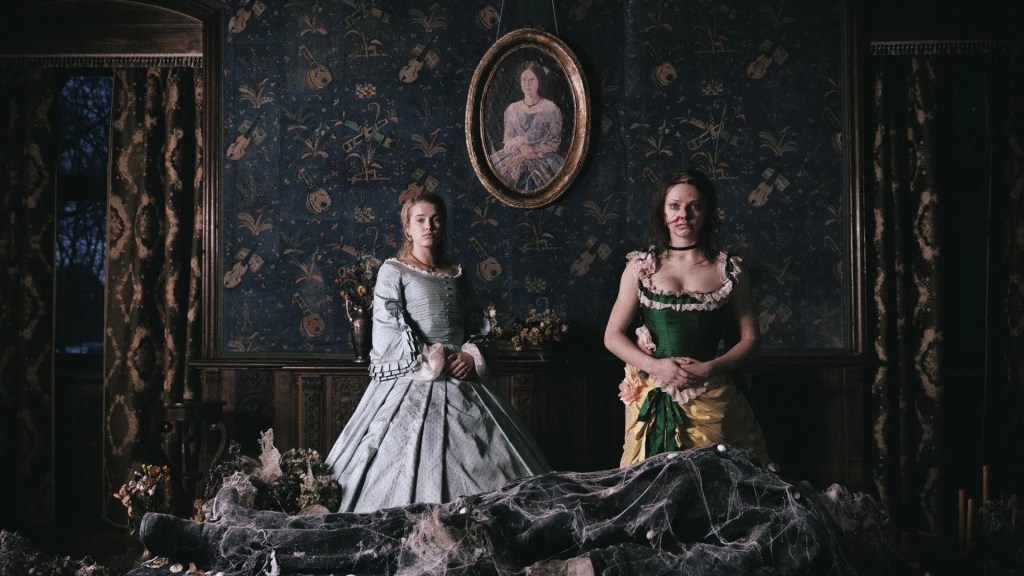
Beauty is Pain, But at What Cost: The Ugly Stepsister (2025)

#GRWM: chopping off my toes to fit the glass slipper!

What better time to talk about a girl putting herself through hell to look beautiful for a ball than after the 2026 Met Gala?

In the time of Ozempic and plastic surgery, I thought this was an appropriate time to talk about the film The Ugly Step Sister, directed by Emilie Blichfeldt.

A classic Cinderella tale, from the perspective of one of the ugly stepsisters, rings eerily true to today’s cultural climate when it comes to beauty standards.

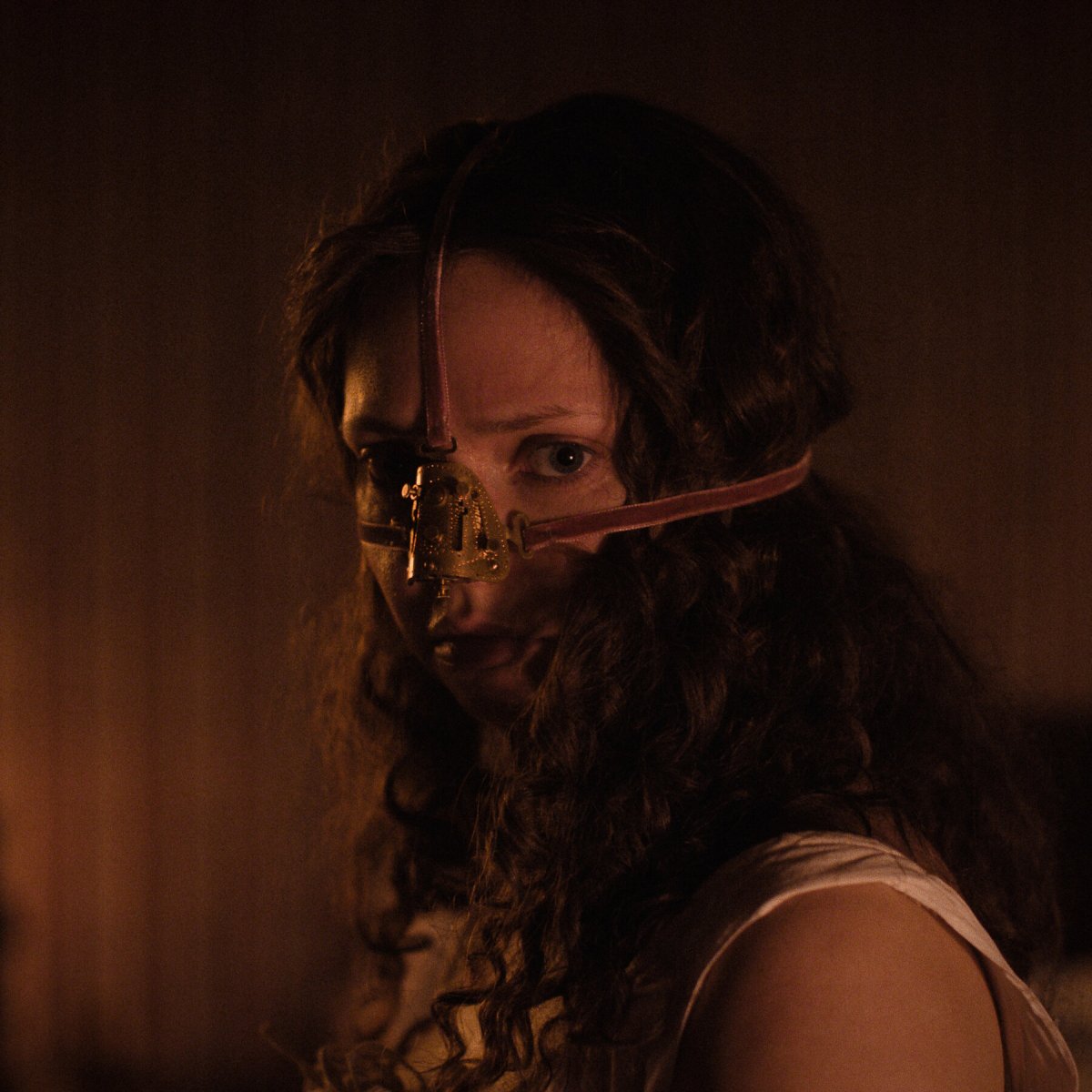
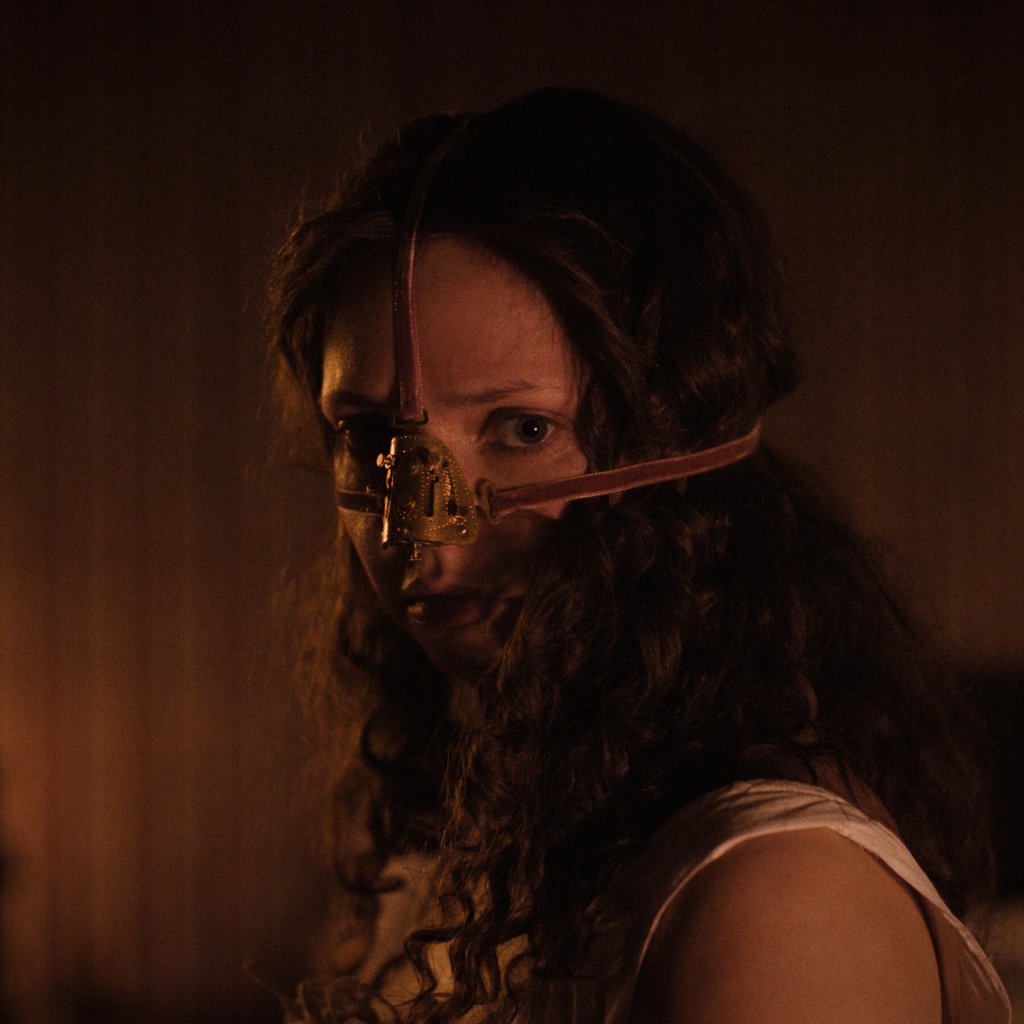
The story follows Elvira (Lea Myren), who lives with her mother (Ane Dahl Torp) and her sister, Alma (Flo Fagerli). When her mother remarries, she ends up with her stepsister, Agnes (Thea Sofie Loch Naess). Agnes is older than Elvira and very beautiful, and she becomes somewhat fascinated by her at first, but her fascination slowly grows into jealousy. 

When Agnes’s father dies, the family is left broke. One day, the daughters receive an invitation to the ball to meet the prince. Elvira is a huge fan of the prince, think One Direction fan fiction level. Hoping to marry the prince and become rich, she and her mother try their best to make Elvira beautiful enough for the prince to fall in love with, and their methods are as simple as a blowout and a spray tan.

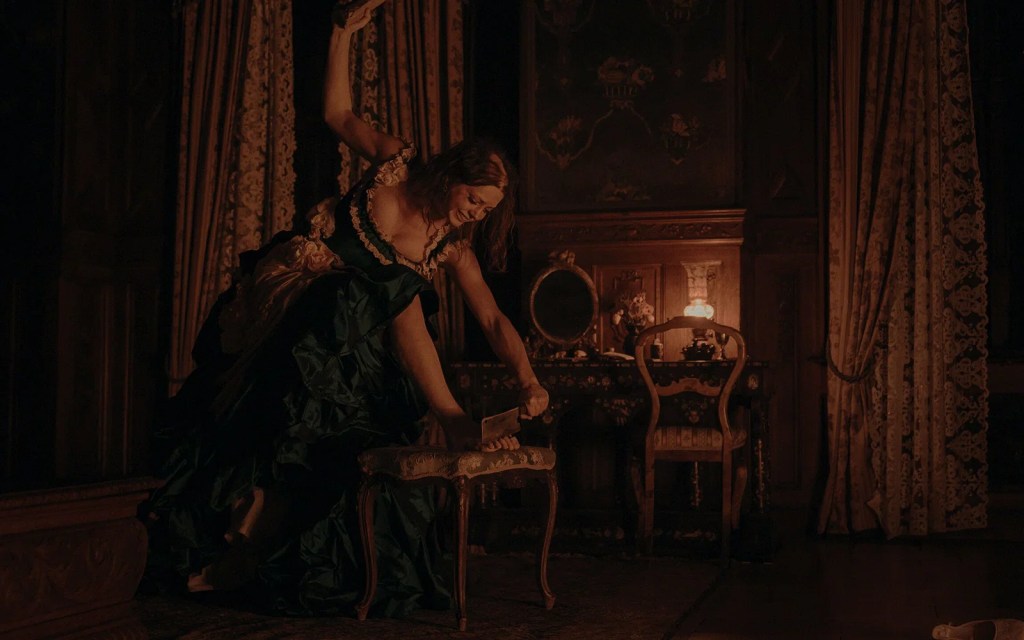
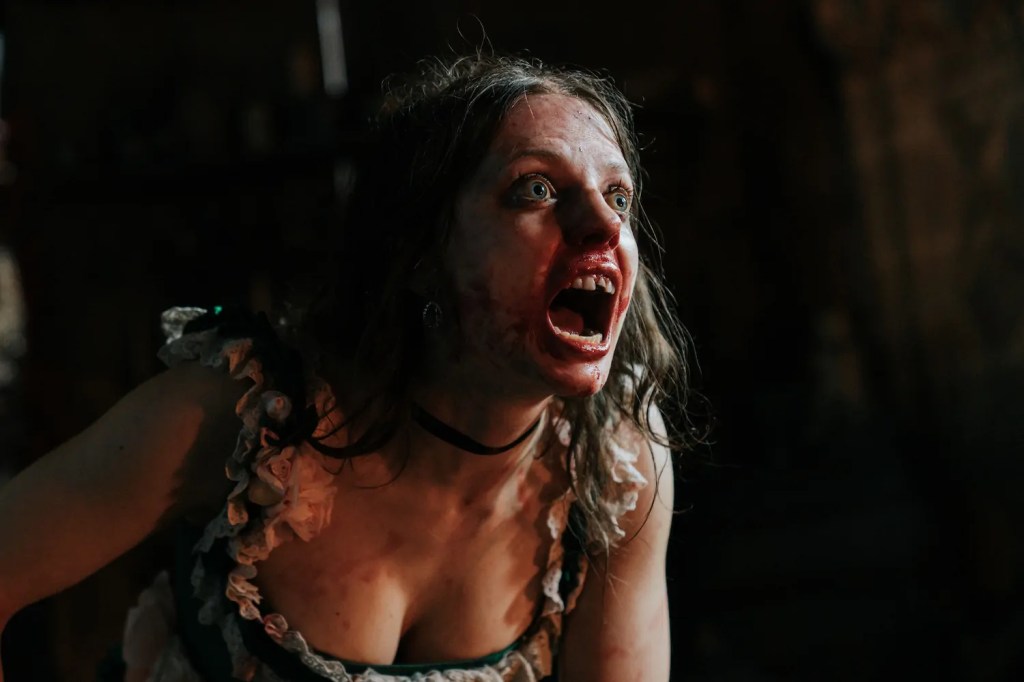
Elvira’s body is put through the wringer, but not without her enthusiasm. She goes through brutal procedures, like nose surgery and sewn-on eyelashes. But what really stood out to me (especially in the current cultural climate) was when someone gave her a tapeworm to help her lose weight. That was a hard watch because it didn’t feel very far-fetched. You watch her binge eat because she’s starving, but she can never satisfy the hunger; she starts losing her hair and looking more and more unwell. 

It’s a really heartbreaking tale- I don’t need to spell it out to you, of course, but the lengths women are pressured to go to be accepted and feel adequate are kind of what we’re seeing now, only less graphic and painful. 

Her sister Alma, in contrast, seems free of this lust to look perfect, to win the man. She watches her sister continuously hurt herself in disgust. Alma acts as the clarity and the moral conscience of the film.

I watched the film alone on an afternoon, and I think the mindset and scenarios in which you watch a film really do change the experience. I had trouble figuring out whether I liked it or understood it. I could figure out the tone. It felt like a slow burn. About halfway through, it occurred to me… wait… is this… camp?

And then everything clicked.

The minute you declare a movie camp, everything changes, and suddenly, I understood it.

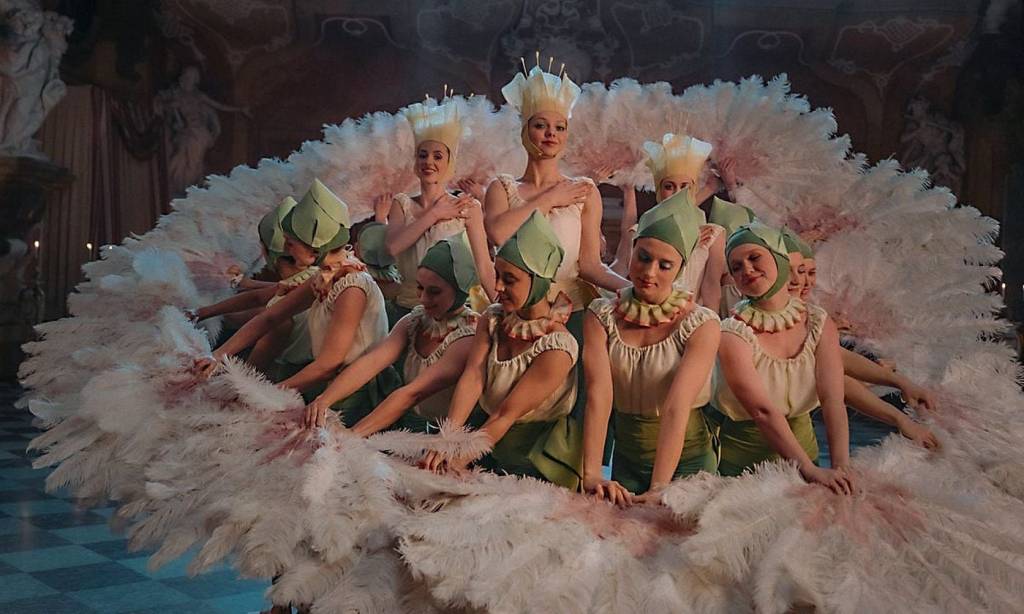
Strange costuming and comedic dream sequences contrasted by graphic body horror. This film suddenly became everything I’d been looking for. Not to mention, the plot really resonated with me.

It may seem like an obvious or simple concept, but if that is so, why, as a society, does it feel even more prevalent? This film may be dramatized and more graphic, but it’s not entirely untrue when you look at history, and really, the thing that has changed the most is the ease and painlessness with which we are able to achieve these standards now (at face value), and instead, it’s the amount we spend on it that hurts most 

The value Elvira places on her appearance drives her to the edge of death. It feels as if this is sometimes what it takes to be released from those shackles. We must learn to put less importance on our appearance altogether, maybe things like jealousy of someone’s “natural beauty,” like how Elvira felt about Agnes (or what is seemingly natural beauty), rather than trying to match or exceed beauty expectations, because that puts us in a cycle where we never win. 

Body horror is a growing genre in film about/ and made by women, ( See my post His Body is a Temple, but Hers is a Prison: In My Skin (2002) ), and I think it’s because of the current climate in which women’s body/beaty standards have been held to. It feels eerily like we have started going backward. While no one film has done it perfectly, I think it’s important to keep watching films like this and push yourself to engage with and think about these things.

I urge you to watch The Ugly Stepsister and reflect on how you feel about the messages they aim to convey. Do you agree? Disagree? Let me know in the comments and let’s get a discussion going!

Check out my blog page to read more.

Till next time, dolls!
Tweenage Wasteland: Thirteen (2003)

To quote Cecilia from The Virgin Suicides, “Clearly, doctor, you’ve never been a 13-year-old girl.”

Thirteen is not your average soft-colored, sweet, nostalgic coming-of-age story. It’s a raw, edgy, dark, and painfully real story about a 13-year-old.

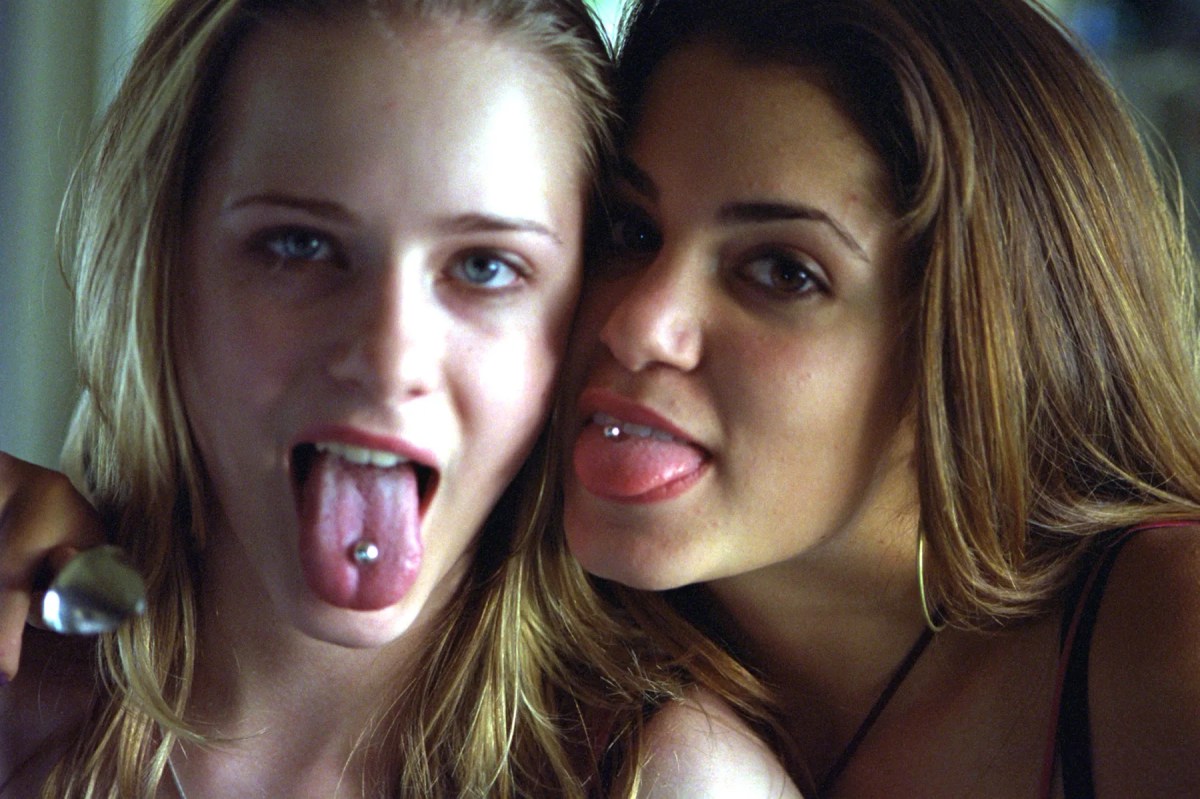
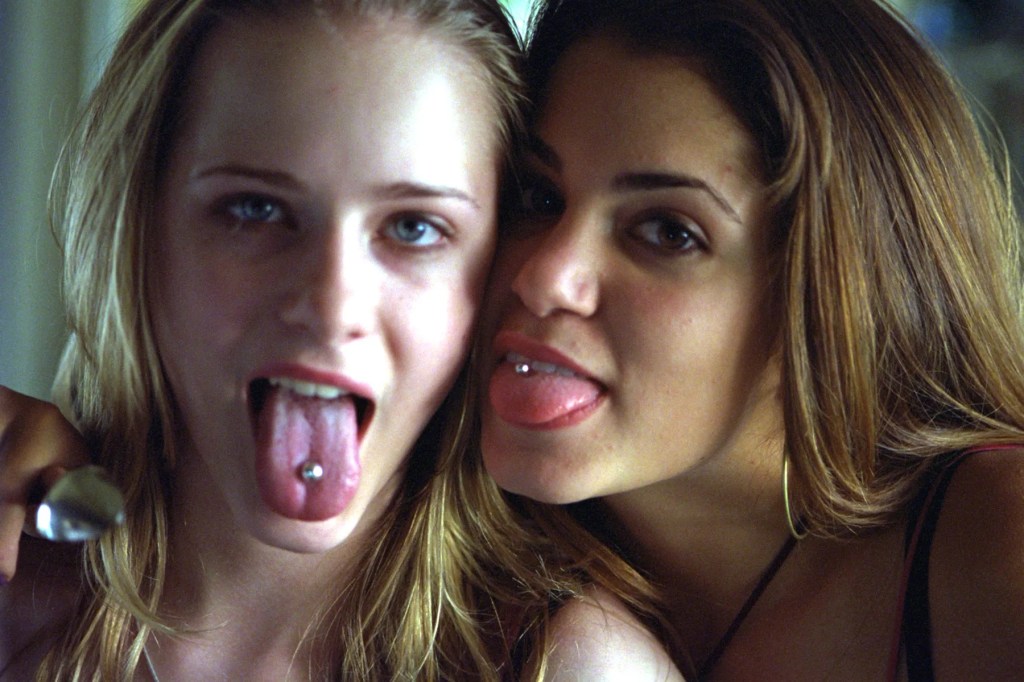
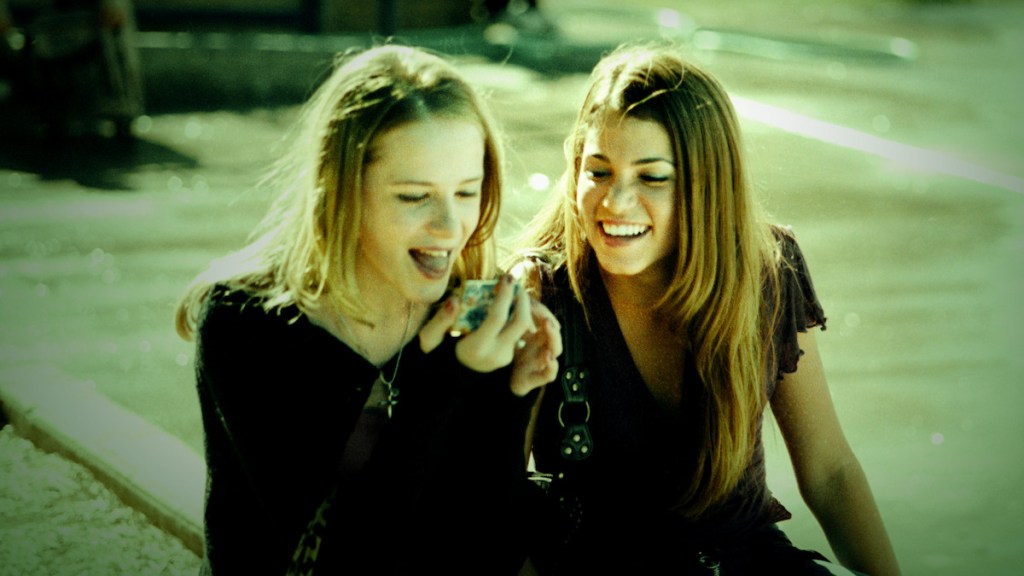
The film Thirteen stars Evan Rachel Wood, is directed by Catherine Hardwicke, and co-written by Hardwicke and Nikki Reed, who plays the rebellious best friend Evie. It’s an autobiographical story about Reed’s experience as a thirteen-year-old, when she made a sudden transition from being a goody two-shoes to a rebel.  

The story follows a thirteen-year-old girl named Tracy who lives with her single mother, Melaine (played by Holly Hunter), and her brother, Mason (played by Brady Corbet).  She has a bit of a shaky home-life, which gets worse when her mother’s troublesome boyfriend reappears (played by Jeremy Sisto, who was in another Anatomy of a Doll film: May, go check out the post if you haven’t!)When Tracy befriends the rebellious popular girl in school, Evie (played by Nikki Reed), she starts going down a dark path and begins acting out.

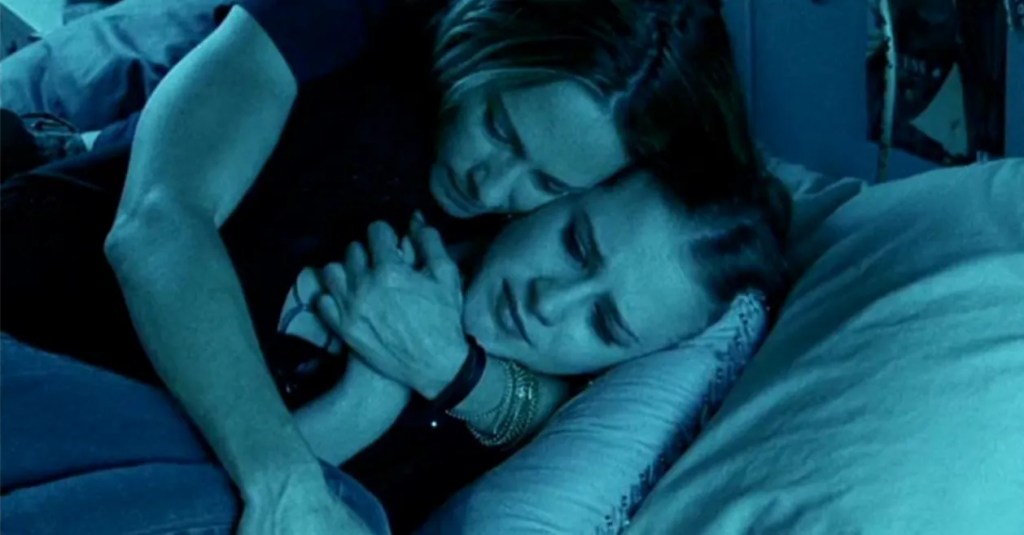
Tracy’s relationship with her mother, Melanie, becomes more difficult throughout the film, and Melanie struggles to navigate how to parent Tracy through this difficult period. Tracy’s friendship with Evie becomes dark and toxic; they turn to drugs, alcohol, and lots of mischief.

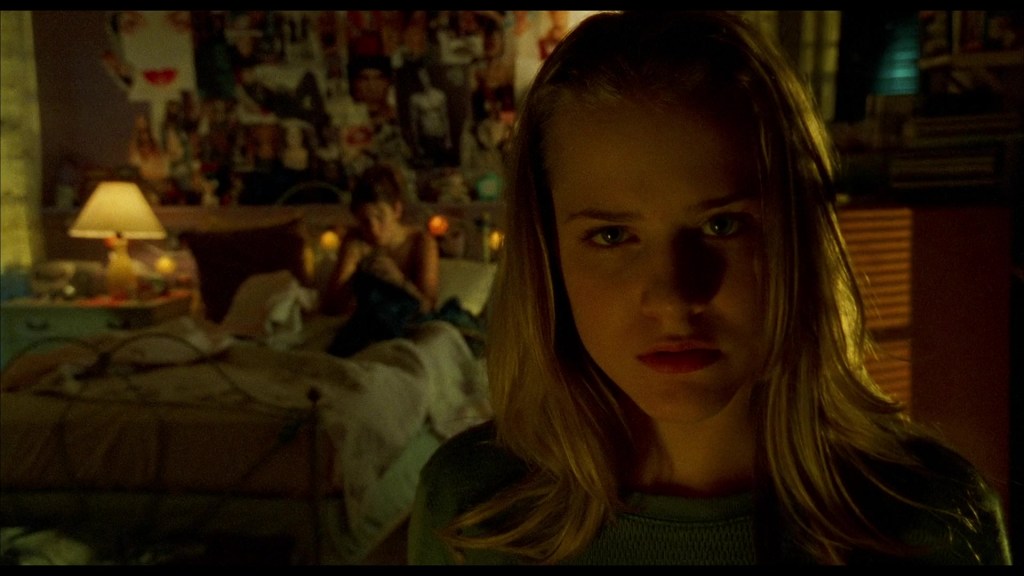
Tracy’s mental health simultaneously degrades slowly throughout the film as she battles with her mother and struggles to cope with her absent father.

The film is so many things: heartbreaking, gut-wrenching, stylish, and edgy. It brings a unique perspective of being told by someone who’s the same age as the characters. Because Reed is close to the story, she is able to paint a painfully raw image of one of the most difficult times in a girl’s life. 

The film strays from other coming-of-age stories that are more quirky and offbeat. It goes deep into a messy, realistic, and powerful true story. The ups and downs will make you laugh, cringe, and cry. 

The film is somewhat reminiscent of Kids (1995) written by Harmony Korine, and I think it is because both of these films were written and told through the lens of young people. When stories about youth are told from the perspectives of adults, they can sometimes become clouded by nostalgia. Sometimes, when you’ve had years of space and time to re-contextualize things, they become lighter, less important, and less serious. 

In the case of Thirteen, fourteen-year-old Nikki Reed was able to write about her life just a year or two after the events transpired. This is how the story is able to come off so gritty, dark, and heartbreaking, but is still able to remain grounded. It empathizes with every character, and it manages to put you in the exact headspace of Tracy, making it feel so heavy-hitting and impactful.

If you haven’t seen Thirteen, and you’re in the mood for something heavy, I’d definitely recommend giving it a watch. I love a good tweenaged film, so I want to ask you, what’s your favorite tween film? 

Till next time, dolls!
Lady Bird is the Whitewashed Version of Real Women Have Curves

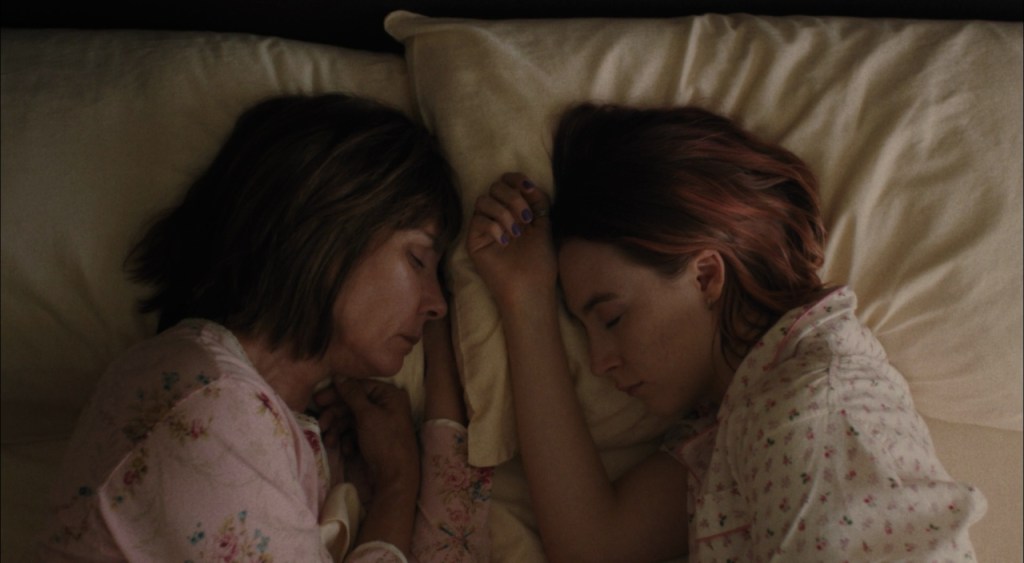
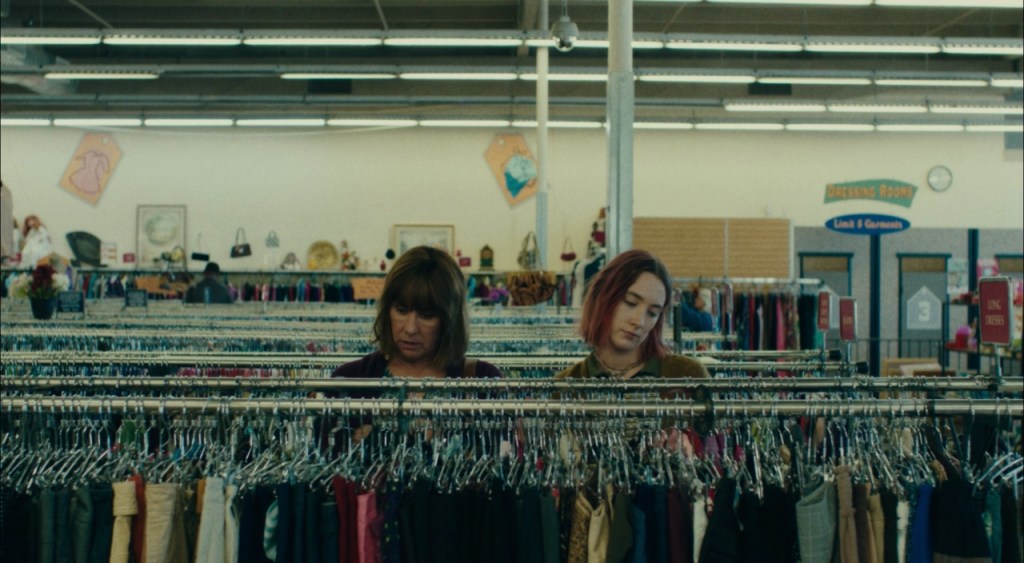
I’m sure you’ve heard of Lady Bird (2017) directed by Greta Gerwig. But if you haven’t, I’ll give you a brief synopsis. Taking place in the early 2000’s, the film follows a teenage Christine (aka Lady Bird), played by Saoirse Ronan, as she navigates friendships, relationships, family, and self-identity in her final year of high school. 

Now, a film you may not have heard of is Real Women Have Curves (2002) directed by Patricia Cardoso. This film follows a girl named Ana (played by America Ferrera) as she navigates family, relationships, and self-identity during the summer after high school graduation.

Now, don’t get me wrong, I love the film Lady Bird. This is not so much a critique of the film itself, but rather an examination of the similarities and differences between the two films and why one became much more successful than the other. 

The two films share common themes of teen girls coming of age in lower-income households,  awkward dating, and difficult/strained mother-daughter relationships. They also both end very similarly: the girl’s mother refusing to say goodbye to her when she leaves for university, then a shot of the main character walking down the streets of NYC in a corduroy blazer, beginning her next chapter. 

It’s hard to ignore the similarities once you see them, and it doesn’t help that Lady Bird had five Oscar nominations, while Real Women Have Curves had none.

Now lets look at what’s different between the films. Lady Bird follows a white family living in Sacramento. Christine (or Lady Bird) is a thin white teen girl navigating the epic highs and lows of high school. Now, Ana, on the other hand, is a curvy woman of colour who lives in East LA with an immigrant family from Mexico the summer after graduating. 

It’s difficult not to see how these differences may have something to do with the popularity of one film over the other. Lady Bird is also written and directed by Greta Gerwig, a white woman from Sacramento, while Real Women Have Curves is directed by Patricia Cardoso, a Colombian woman, and written by Josephina Lopez, a Mexican woman.

Another large theme that Real Women Have Curves focuses on is  (you guessed it) women’s bodies. There is a lot of talk about them in the film. Ana is a curvier woman, and some of the women she works with are as well. The film uses Ana’s mother, Carmen (amazingly played by Lupe Ontiveros), as the voice that constantly shames and critiques Ana and the others’ bodies.

However, Ana never dislikes her body; she’s proud of it, and she stands up to her mother over and over again, which I think is beautiful because we never see Ana feel ashamed of her body (refreshing!), and instead of watching a girl learn how to love herself, she already does. 

There is a beautiful moment towards the end of this film when all the women bond over the flaws of their bodies —not in a sad way—they are laughing and celebrating it, and it makes me cry every time. Now I wonder why something like this got ignored by film critics. Why, in the age of “body positivity,” is this film not praised more in mainstream media?

In a way, it feels as if Gerwig’s Lady Bird is the whitewashed version of Real Women Have Curves, made palatable for Hollywood. While I enjoy both films, I’d argue that Real Women Have Curves has more to say and has more heart.

The story is heavily based on the writer Josephina Lopez’s life, while Gerwig said Lady Bird does not fully reflect her own upbringing. This is why (to me) it feels much more personal, with a deeper message.

Real Women Have Curves deserves its flowers, just as Lady Bird has received. While both are beautiful films, it upsets me that few people know about the former. I also think it’s important to note that in the coming-of-age genre in Hollywood, we see a lot about white stories, and because of that, a small fraction of people’s stories get told.

I urge you to continue broadening your horizons; watch foreign films, lesser-known films, stories made by women, and people of colour. These stories are powerful and beautiful and so important; we need to stop overlooking films that stray from the norm. I promise you, you will discover a beautiful world of cinema once you start!

So please, please, please. If you enjoyed Lady Bird, watch Real Women Have Curves. I’d love to hear what you think, and what similarities/differences you noticed.

PS: If you’re a sucker for complex mother-daughter relationships, check out my newest post: Tweenaged Wasteland: Thirteen (2003).

Till next time, dolls!