#GRWM: chopping off my toes to fit the glass slipper!
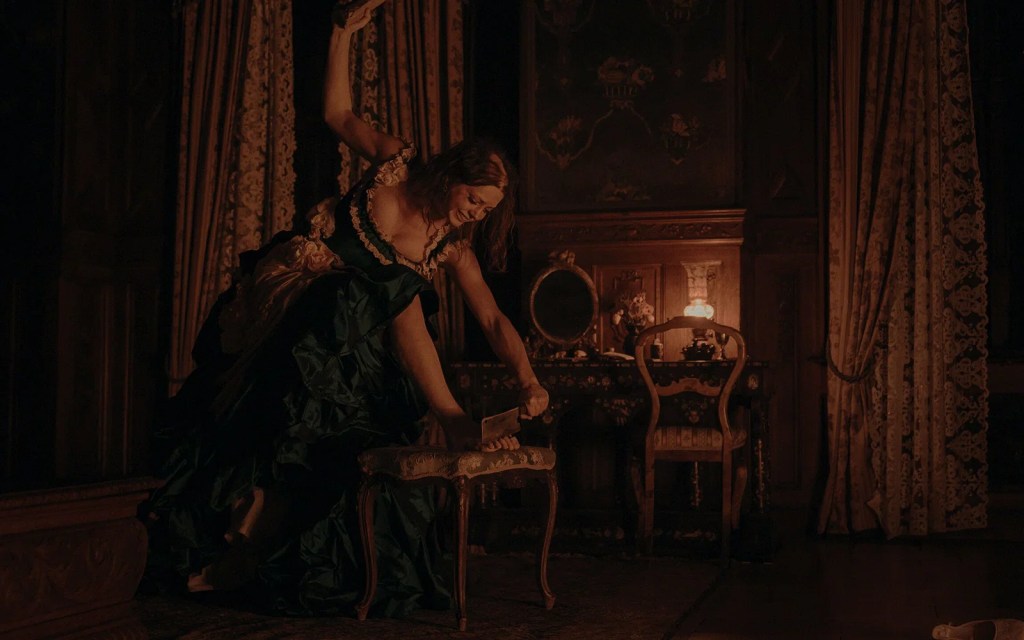
What better time to talk about a girl putting herself through hell to look beautiful for a ball than after the 2026 Met Gala?
In the time of Ozempic and plastic surgery, I thought this was an appropriate time to talk about the film The Ugly Step Sister, directed by Emilie Blichfeldt.
A classic Cinderella tale, from the perspective of one of the ugly stepsisters, rings eerily true to today’s cultural climate when it comes to beauty standards.
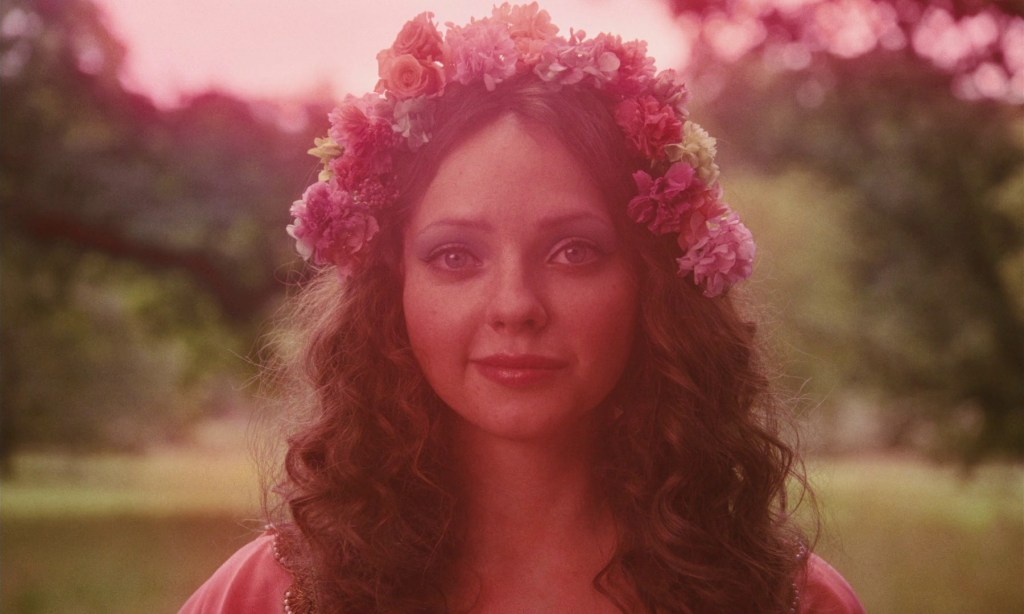
The story follows Elvira (Lea Myren), who lives with her mother (Ane Dahl Torp) and her sister, Alma (Flo Fagerli). When her mother remarries, she ends up with her stepsister, Agnes (Thea Sofie Loch Naess). Agnes is older than Elvira and very beautiful, and she becomes somewhat fascinated by her at first, but her fascination slowly grows into jealousy.
When Agnes’s father dies, the family is left broke. One day, the daughters receive an invitation to the ball to meet the prince. Elvira is a huge fan of the prince, think One Direction fan fiction level. Hoping to marry the prince and become rich, she and her mother try their best to make Elvira beautiful enough for the prince to fall in love with, and their methods are as simple as a blowout and a spray tan.
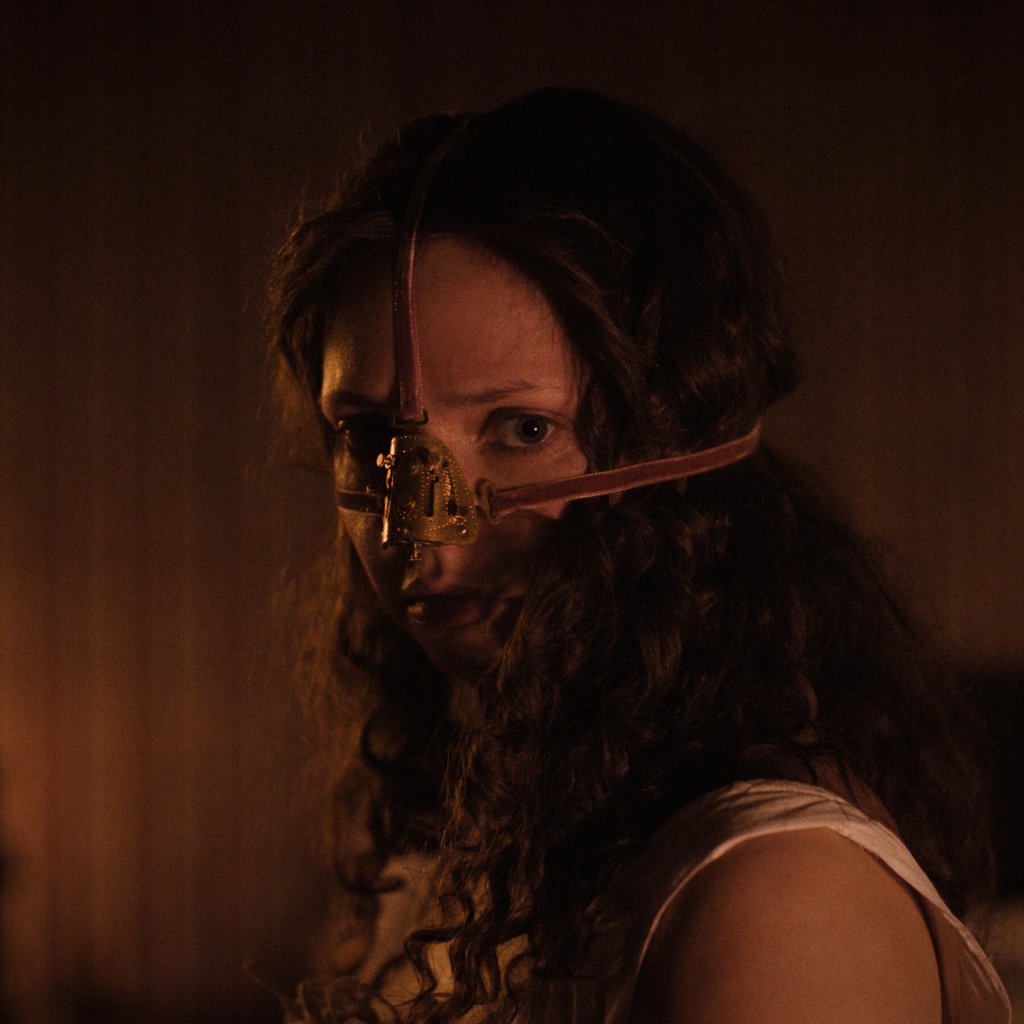
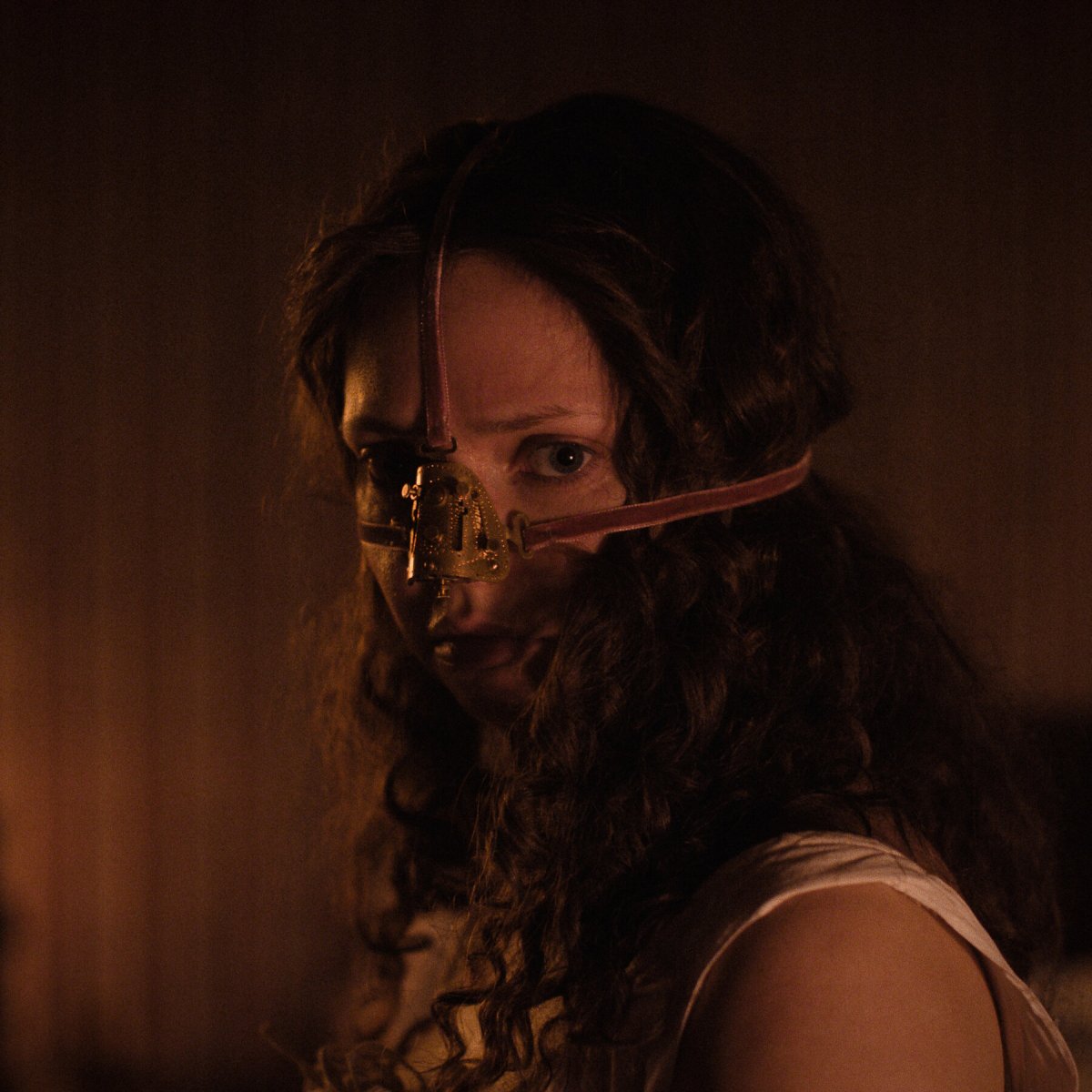
Elvira’s body is put through the wringer, but not without her enthusiasm. She goes through brutal procedures, like nose surgery and sewn-on eyelashes. But what really stood out to me (especially in the current cultural climate) was when someone gave her a tapeworm to help her lose weight. That was a hard watch because it didn’t feel very far-fetched. You watch her binge eat because she’s starving, but she can never satisfy the hunger; she starts losing her hair and looking more and more unwell.
It’s a really heartbreaking tale- I don’t need to spell it out to you, of course, but the lengths women are pressured to go to be accepted and feel adequate are kind of what we’re seeing now, only less graphic and painful.
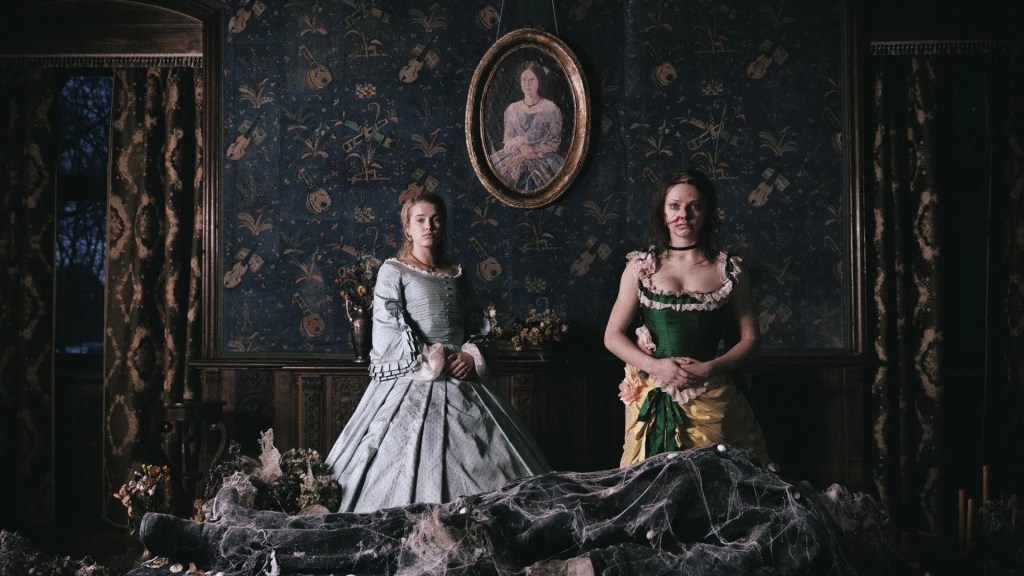
Her sister Alma, in contrast, seems free of this lust to look perfect, to win the man. She watches her sister continuously hurt herself in disgust. Alma acts as the clarity and the moral conscience of the film.
I watched the film alone on an afternoon, and I think the mindset and scenarios in which you watch a film really do change the experience. I had trouble figuring out whether I liked it or understood it. I could figure out the tone. It felt like a slow burn. About halfway through, it occurred to me… wait… is this… camp?
And then everything clicked.
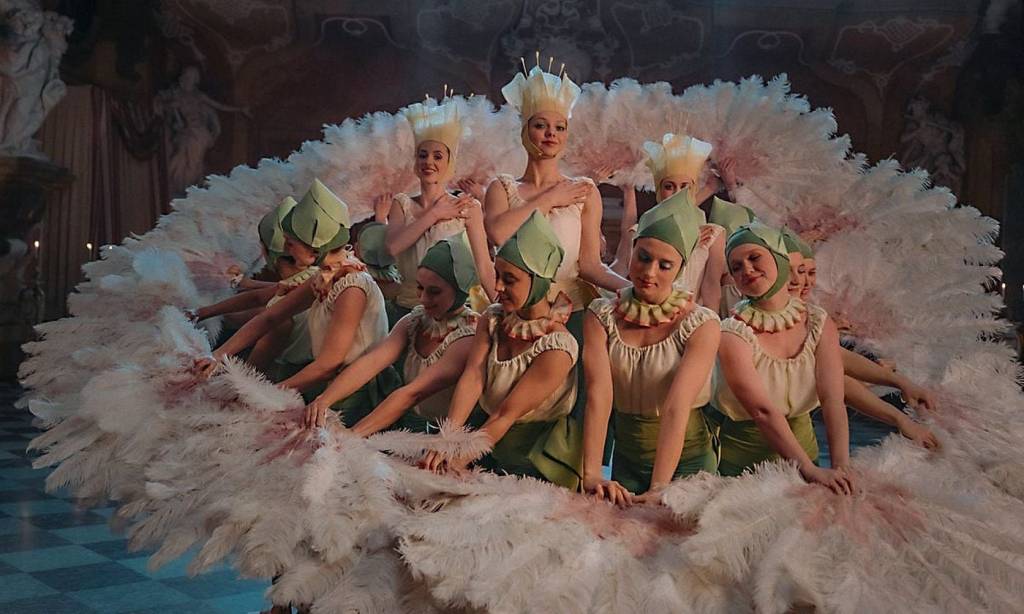
The minute you declare a movie camp, everything changes, and suddenly, I understood it.
Strange costuming and comedic dream sequences contrasted by graphic body horror. This film suddenly became everything I’d been looking for. Not to mention, the plot really resonated with me.
It may seem like an obvious or simple concept, but if that is so, why, as a society, does it feel even more prevalent? This film may be dramatized and more graphic, but it’s not entirely untrue when you look at history, and really, the thing that has changed the most is the ease and painlessness with which we are able to achieve these standards now (at face value), and instead, it’s the amount we spend on it that hurts most
The value Elvira places on her appearance drives her to the edge of death. It feels as if this is sometimes what it takes to be released from those shackles. We must learn to put less importance on our appearance altogether, maybe things like jealousy of someone’s “natural beauty,” like how Elvira felt about Agnes (or what is seemingly natural beauty), rather than trying to match or exceed beauty expectations, because that puts us in a cycle where we never win.

Body horror is a growing genre in film about/ and made by women, ( See my post His Body is a Temple, but Hers is a Prison: In My Skin (2002) ), and I think it’s because of the current climate in which women’s body/beaty standards have been held to. It feels eerily like we have started going backward. While no one film has done it perfectly, I think it’s important to keep watching films like this and push yourself to engage with and think about these things.
I urge you to watch The Ugly Stepsister and reflect on how you feel about the messages they aim to convey. Do you agree? Disagree? Let me know in the comments and let’s get a discussion going!
Check out my blog page to read more.
Till next time, dolls!