Trigger Warning: Self-harm & Gore
I have seen many films within the feminist body horror genre, and I normally understand the metaphors and general themes, which are commonly about coming of age as a young woman or teenager, beauty and aging, and/or about sexuality and sexual awakenings.
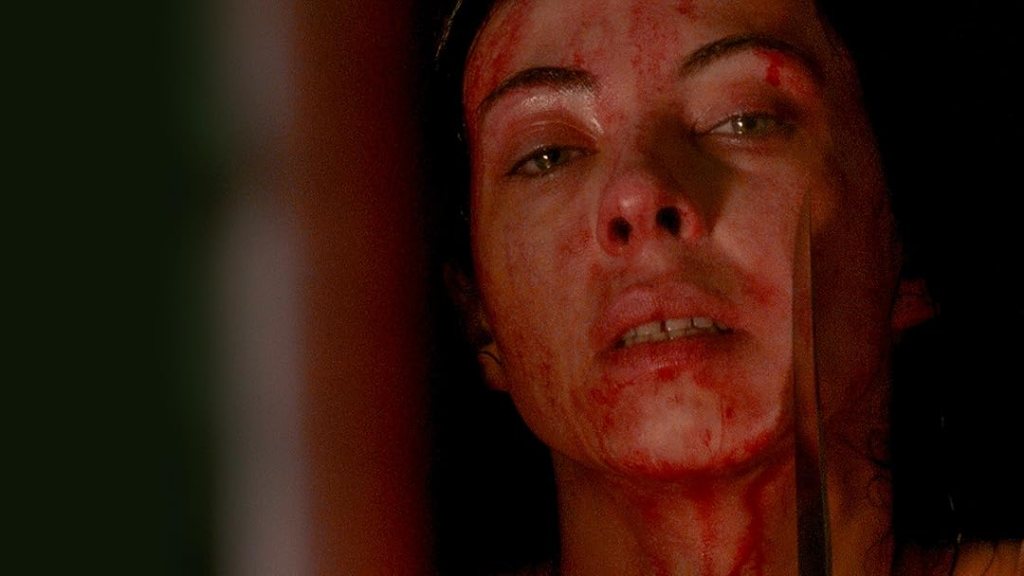
So when I saw the film In My Skin (2002), I was left somewhat unsure. While I had many thoughts brewing about women’s bodies, mental health, autonomy, trauma and pain, I couldn’t exactly put into words what the film was attempting to convey. And though I couldn’t explain it, I somehow understood it (or atleast I understood how it made me feel).
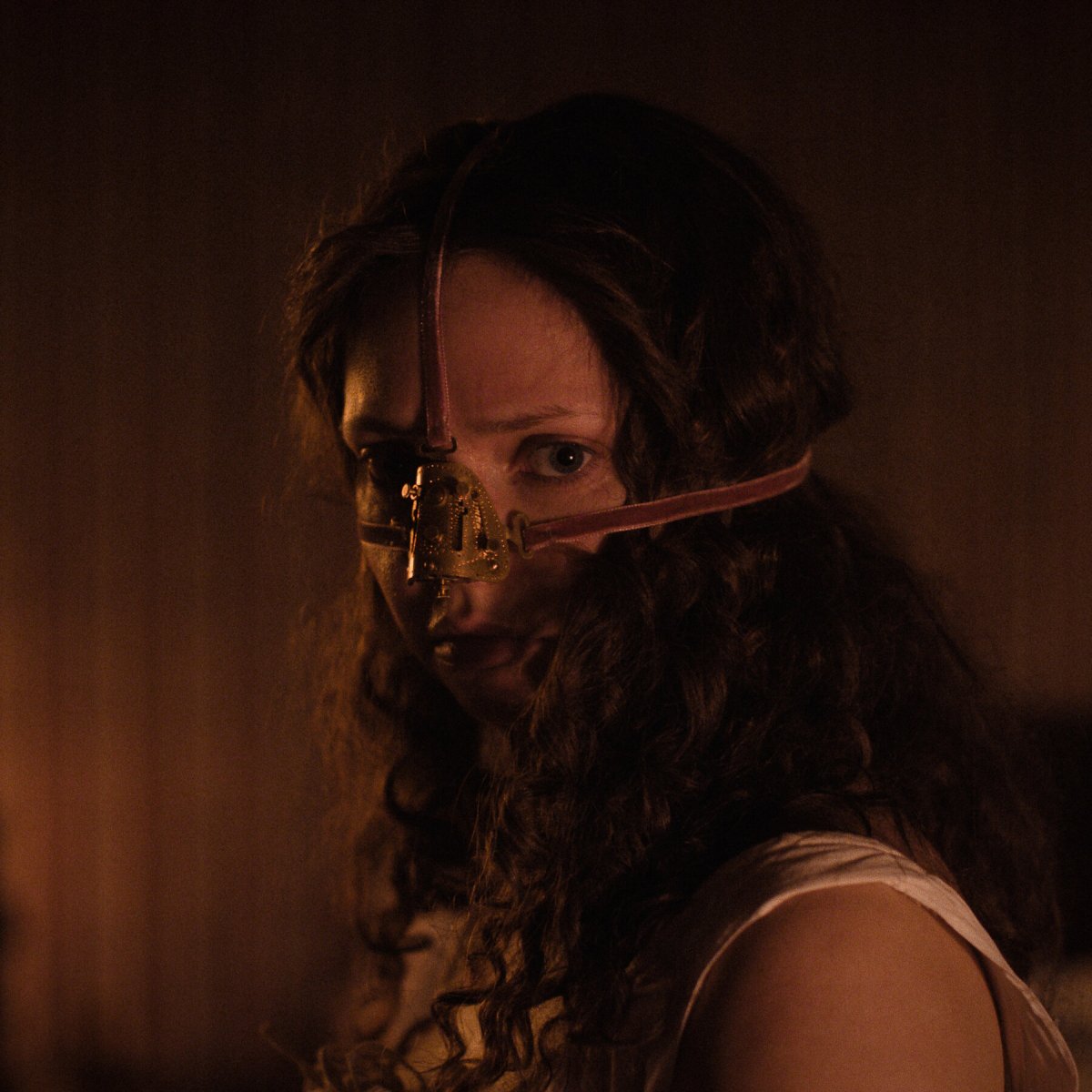
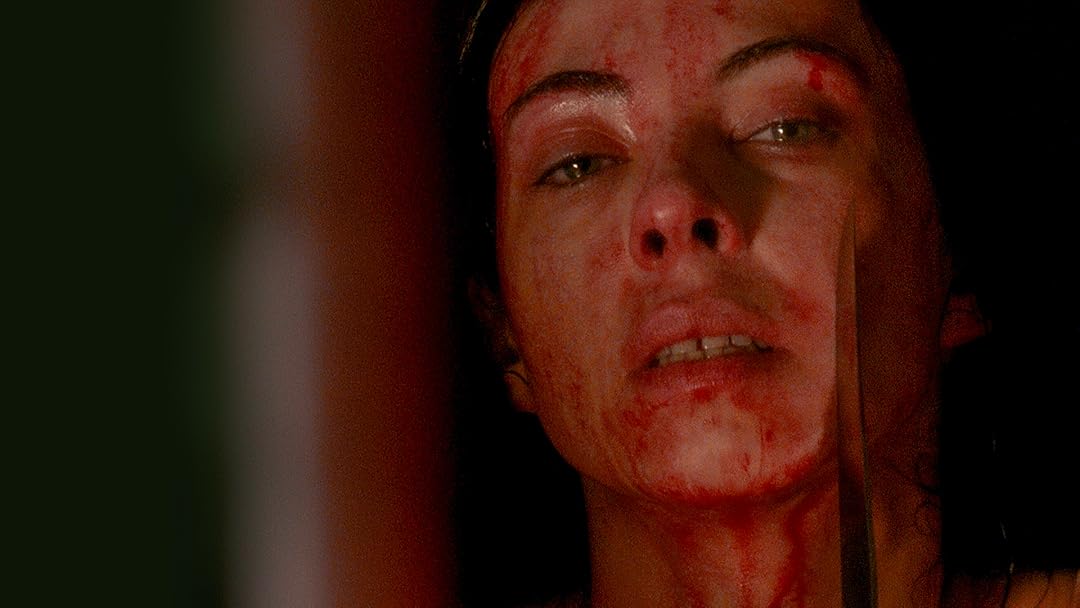
In My Skin is a French film directed by and starring Marina de Van, about a woman named Esther (Marina de Van) whose story begins when she attends a party; while she’s outside, she scrapes her leg against something metal. She doesn’t notice for hours that her leg is deeply injured and bloodied.
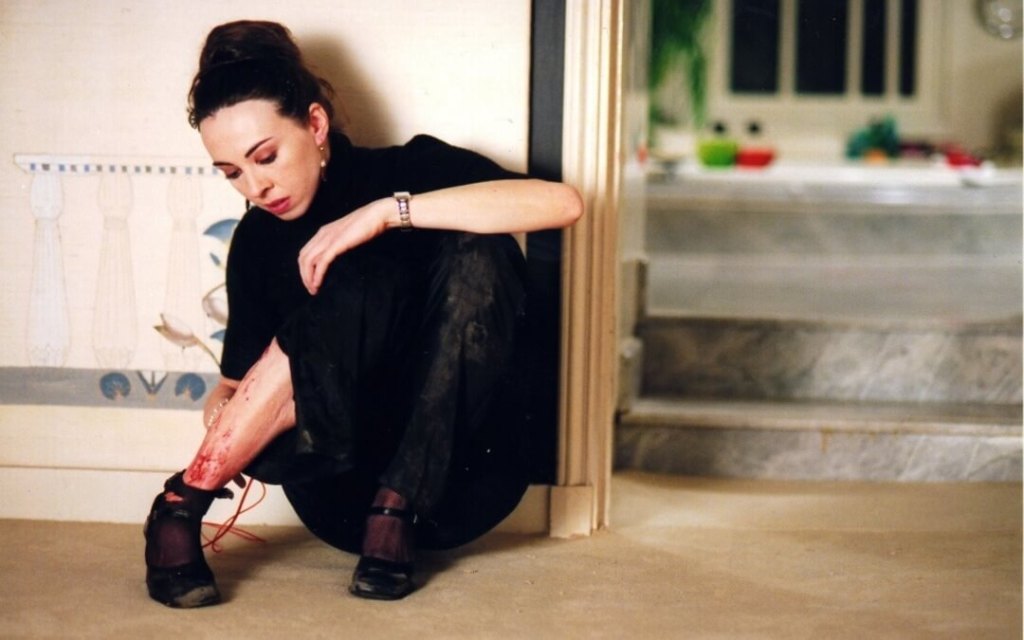
After this injury, she becomes somewhat allured by the concept of self-harm; she begins to have overwhelming urges to cut her legs and arms up. Her friends and her partner find out and begin to treat her differently; they become upset with her for hurting herself; however, it does not seem as if she feels much about what she’s done. She refuses to discuss it with anyone.
The urges become stronger, and she begins lying to her boyfriend so as to not upset him (or they will begin to fight). Things begin to spiral; Esther begins to hallucinate, lose control of body parts, and the urge to self-harm becomes a form of pleasure to her that she cannot seem to stop engaging with. She keeps making up lies so she can keep going.
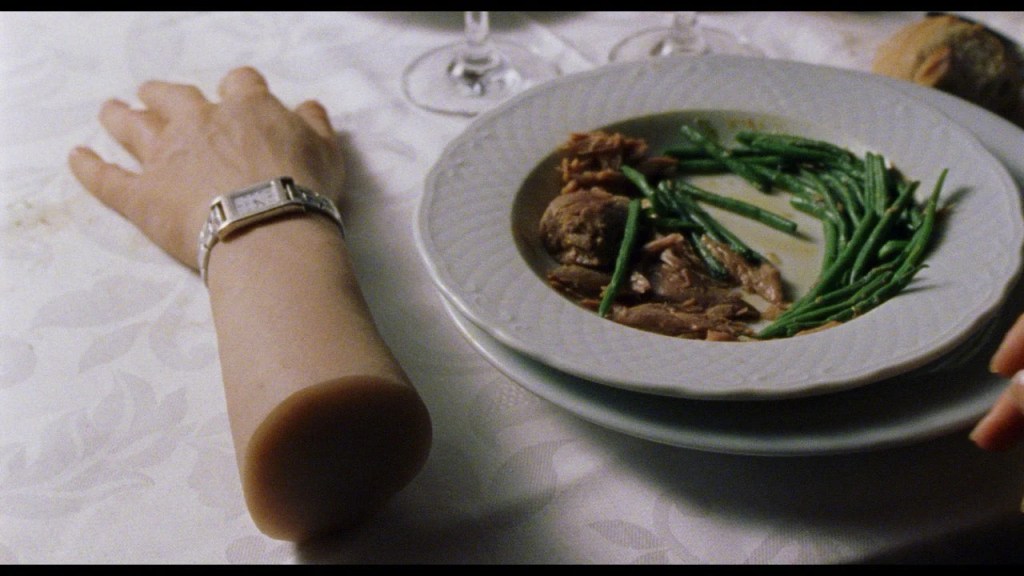
All the while, her boyfriend continues to press her for explanations; he doesn’t trust her with her own body and feels he needs to be with her all the time in order to prevent her from getting hurt. However, this doesn’t stop her; her obsession only grows stronger.
In this film, Esther’s pain, isolation, mental illness, and frustrations are explored through the self-mutilation of her body. She gains pleasure through this, while she knows it hurts those around her (namely, her boyfriend).
After watching the film, I ran to Letterboxd to read reviews, hoping someone would help me put my thoughts into words and make sense of everything; then I stumbled across this review by Letterboxd user Emma Katherine (or @exsanguinate):
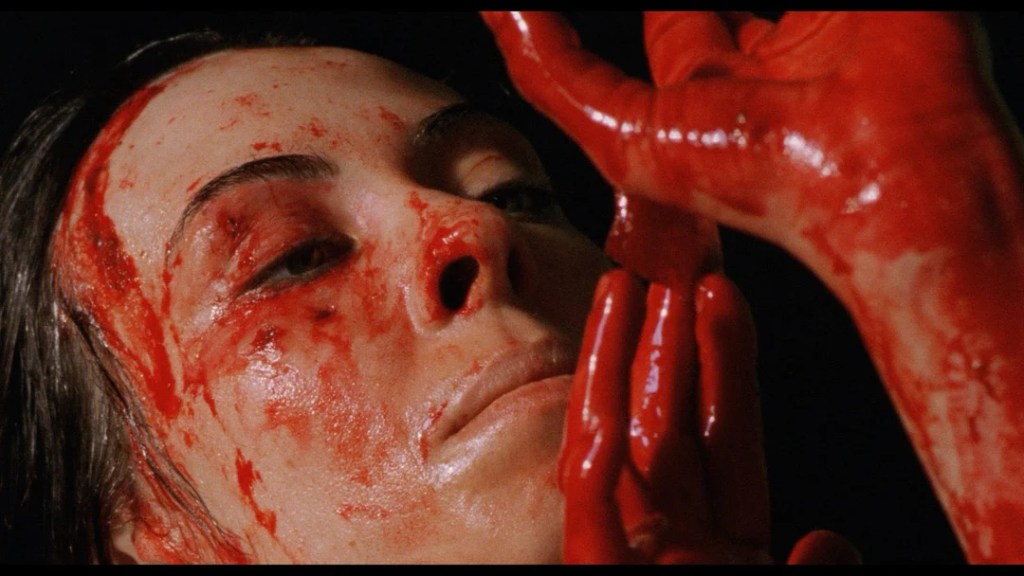
“Am I at least entitled to my own body? They tell me it belongs to them, like everything else. So before they can take it I will shred it from the fucking seams because if no one else wants it, it’ll finally be mine.”(@exsanguinate, 2023).
And things began to click. While I also interpreted other sentiments from this film, this quote really resonated.
Body horror is and should be a feminist genre. It challenges patriarchal systems and provides deep and dark insight into being in a non-cisgender-male’s body. It goes beyond “body positivity” and ties to identity, pain, trauma, and autonomy.
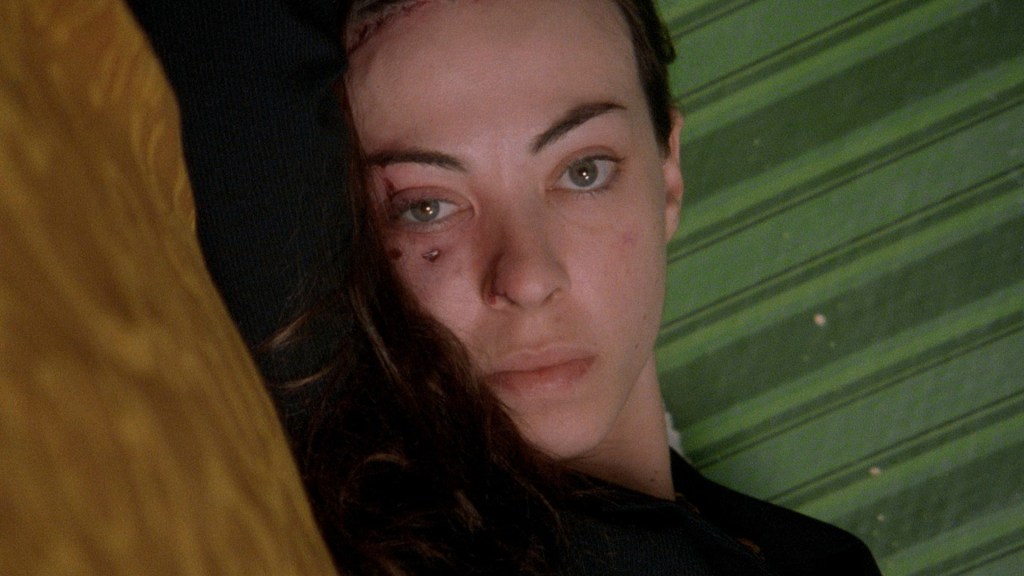
Within the feminist body horror genre, women are not the stereotypical victim (as they so commonly are in the horror genre). In a space where women’s bodies are taken from them by men, harmed, and sexualized, this genre takes the control out of the men’s hands and gives the women their bodies back; Esther is not a victim of someone else’s harm; she is the one performing harm on herself.
The distance between the pain Esther’s body feels versus what she doesn’t creates a kind of separation between her and her body, and she finds herself constantly questioning this notion.
Director Marina de Van sheds some light on what she intended to convey in the film in this 2002 interview:
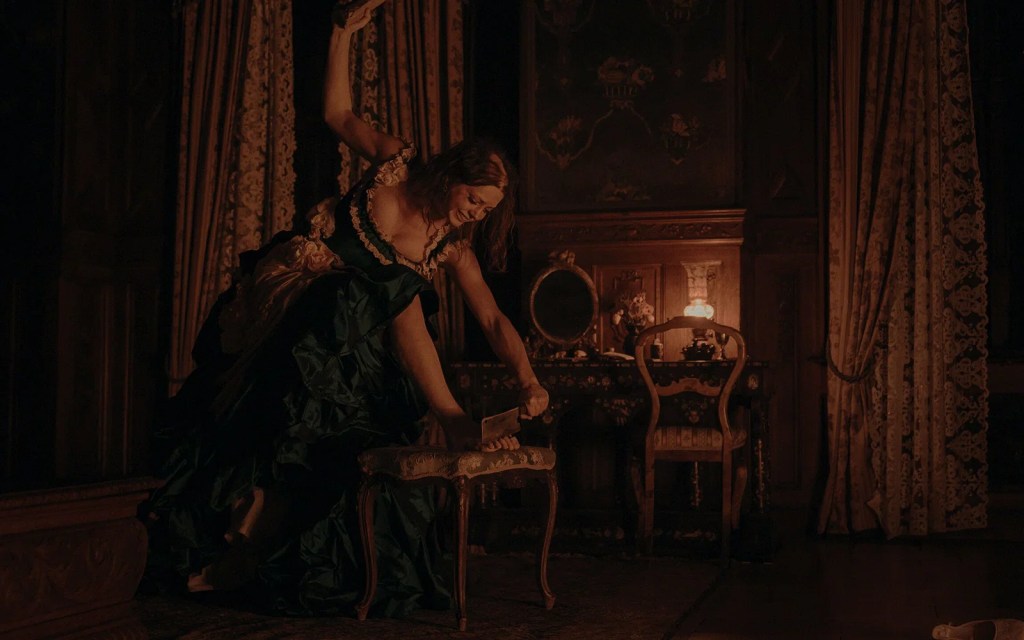
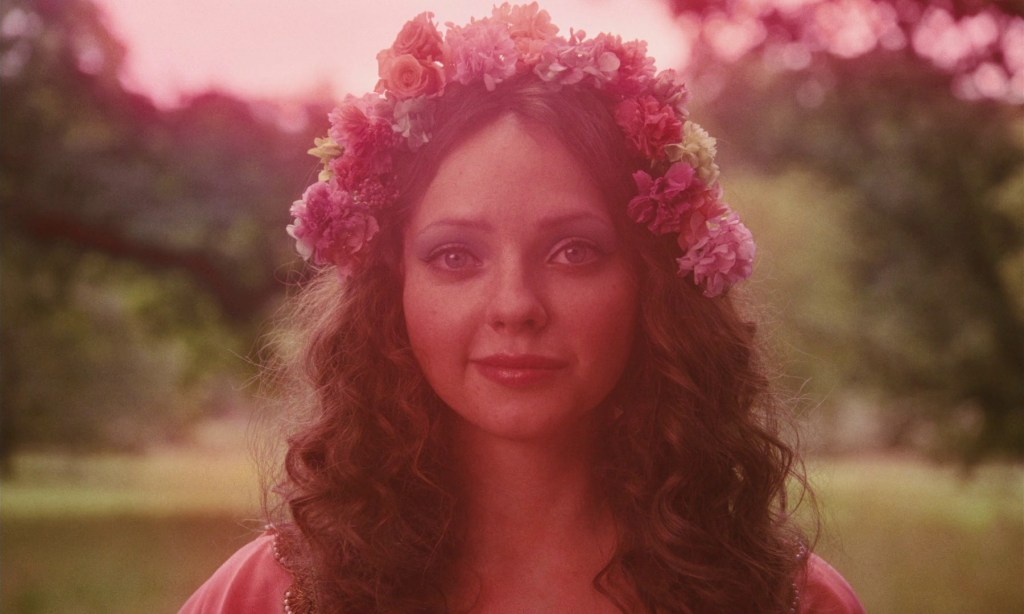
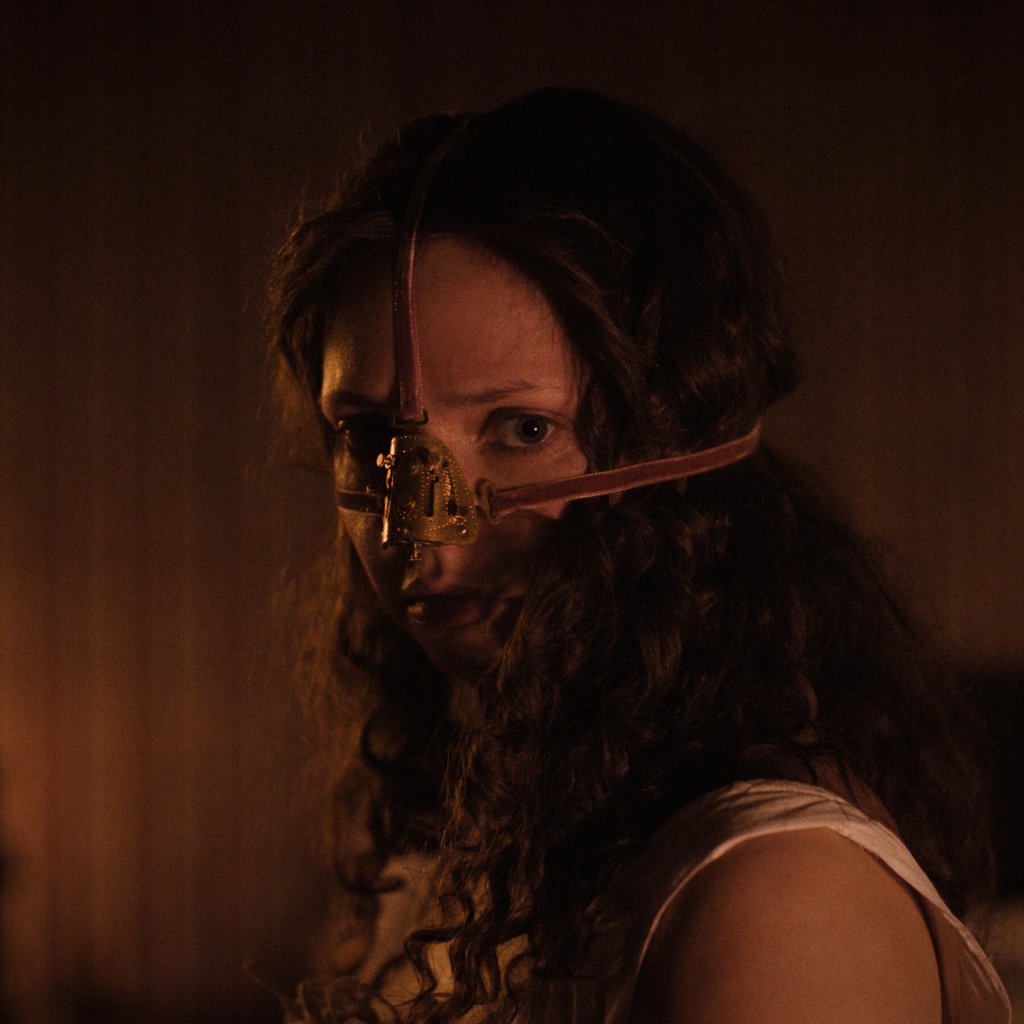
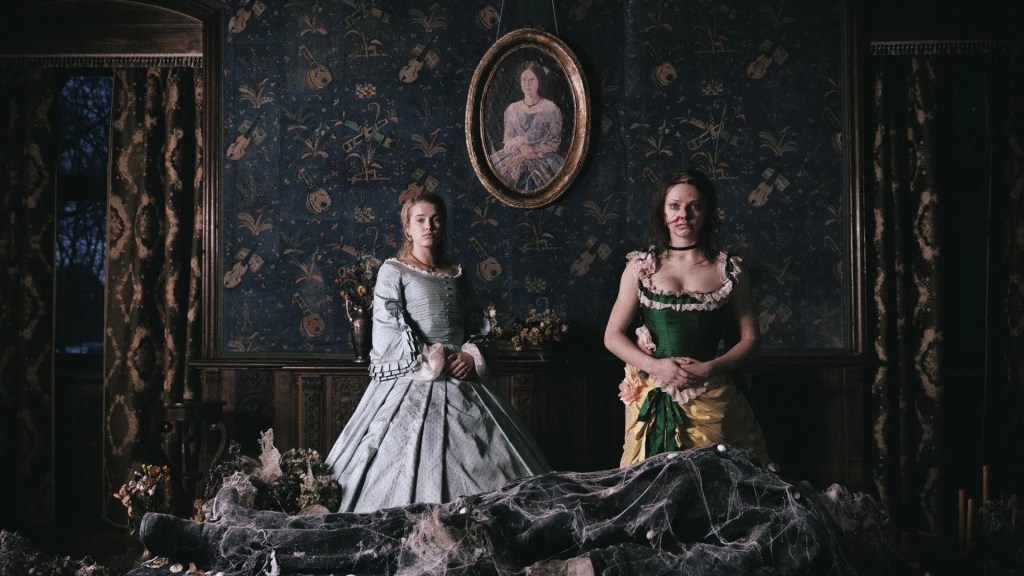
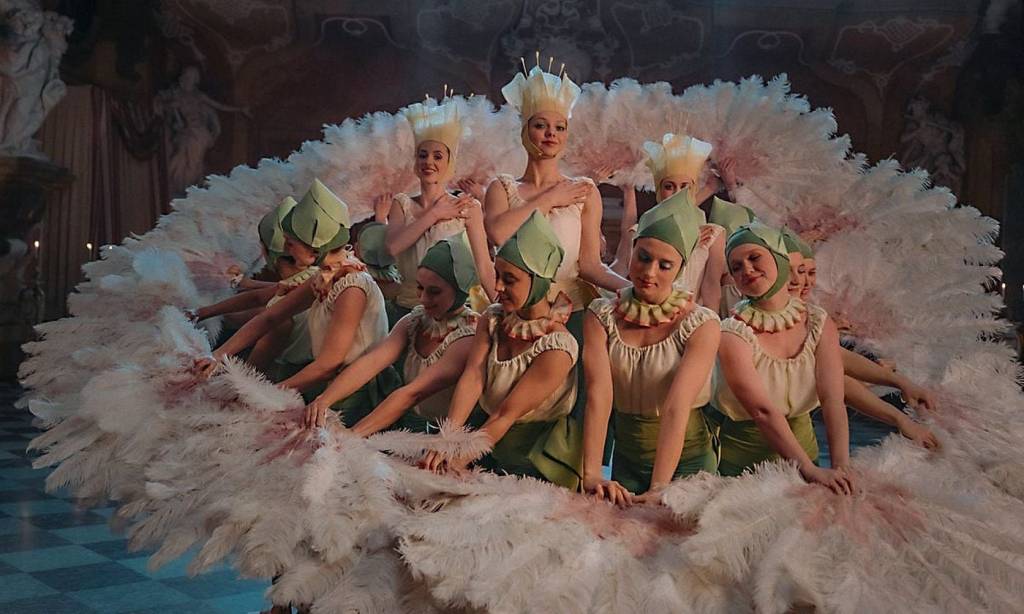
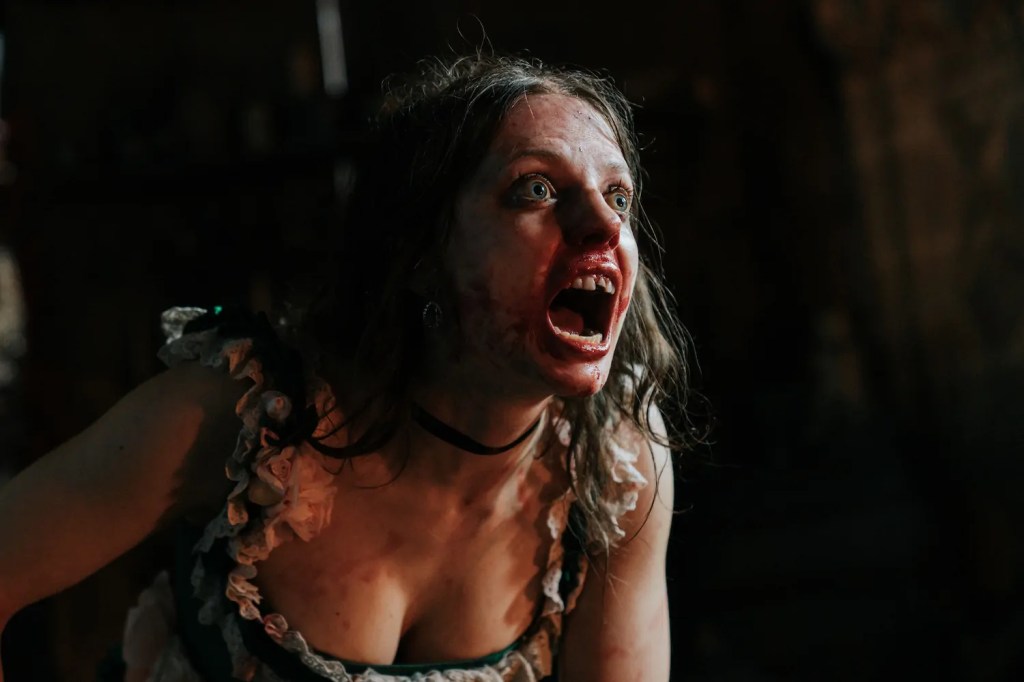
This feminist body horror film deals with some very different themes from other body horror films I’ve seen (see my post Beauty is Pain but at What Cost: The Ugly Stepsister (2025), and I think it is why it has left me with so many thoughts and questions; it’s unlike anything I have seen to date.
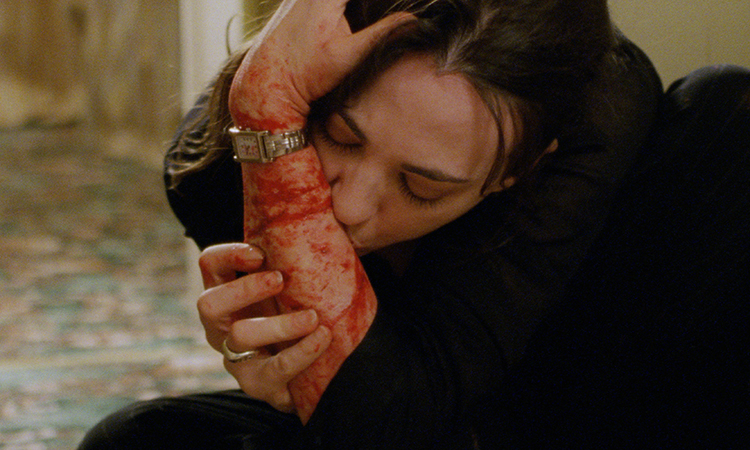
Carina Stopenski puts it beautifully in her text Exploring Mutilation: Women, Affect, and the Body Horror Genre,:
“Body horror is paradoxical, both embodied and disembodied, both subverting feminist expectations and fulfilling them. Whether it be beauty, sexuality, action—the female mutilator laughs in the face of these standards, an island of her own in a genre that is constantly forcing women into submission. […]Mutilation of others and the self allows the traumatized female mutilator to come to terms with her Otheredness, and in the process, she frees herself from the threat of abjection: she casts herself out voluntarily before society can do so.” (Stolpenski, 2022).
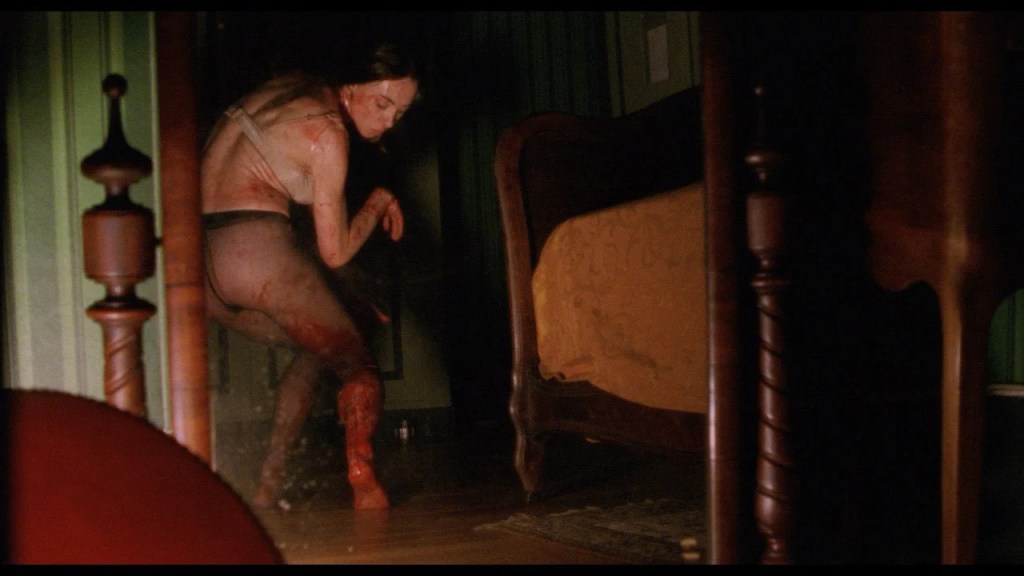
I feel as if I understand the film and yet I am left with so many questions at the same time. The film deals with complex themes, and there is much to be taken from it. I encourage you to watch the film and share what you took from it. Do you understand her reasoning for her actions? How does the ending leave you feeling? I’d love to hear more insights from others and truly peel back the layers about this bizarre, complex, and gory film (or get under its skin, so to speak).
Check out my blog page to read more.
Till next time, dolls!
Work Cited
- Carina Stopenski, “Exploring Mutilation: Women, Affect, and the Body Horror Genre” in SIC: A Journal of Literature, Culture and Literary Translation, Vol. 12, No. 2 (2022).
- O’Shea, K. (2019, January 4). Dans ma peau (In My Skin): A retrospective. Warped Perspective. https://warped-perspective.com/2019/01/dans-ma-peau-in-my-skin-a-retrospective/